





Polar Bear Science Unit
Share this:
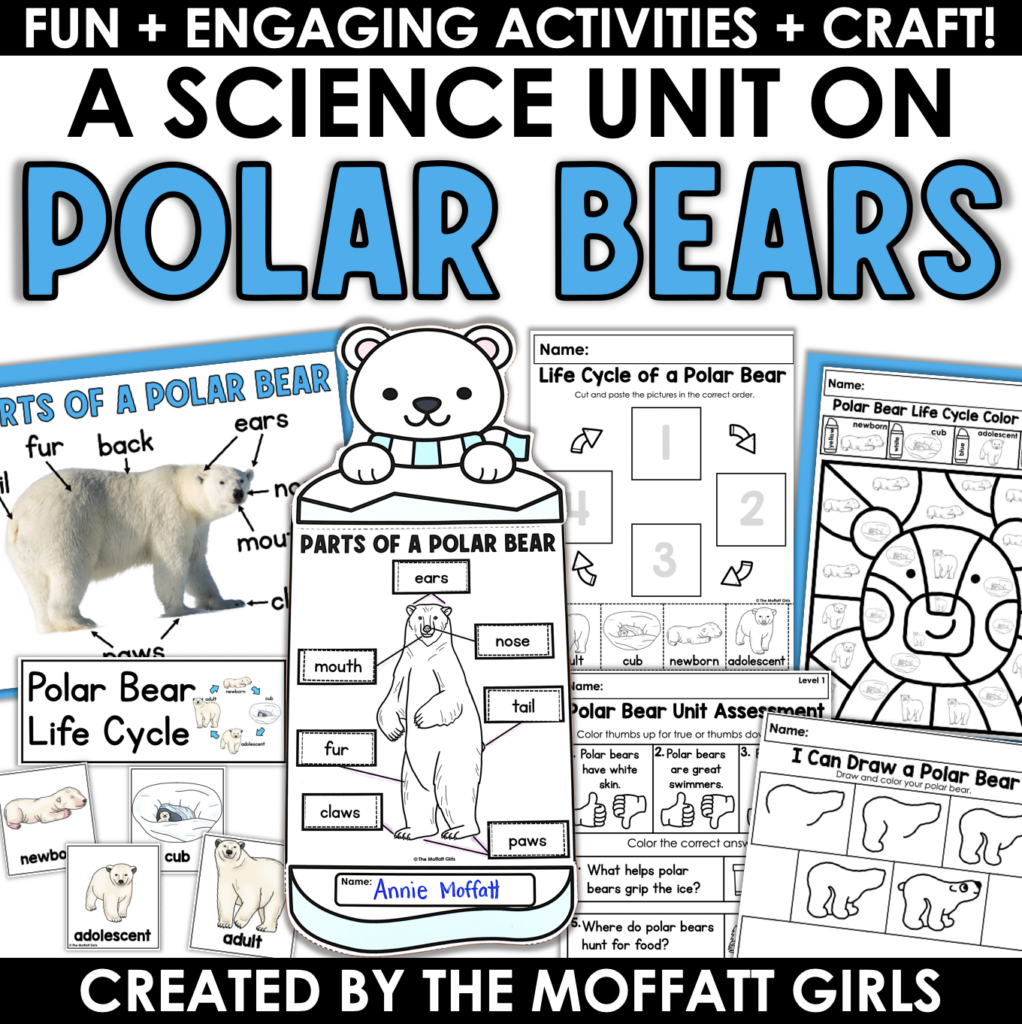
Polar bears are one of the most fascinating animals students can study, and this polar bear science unit makes learning about them meaningful, engaging, and accessible. Whether you are teaching in the classroom or at home, this resource brings together science, reading, writing, and creative activities to help students build real understanding. From vocabulary to crafts and from reading comprehension to hands-on learning, every part of the unit supports young learners as they explore polar bears.
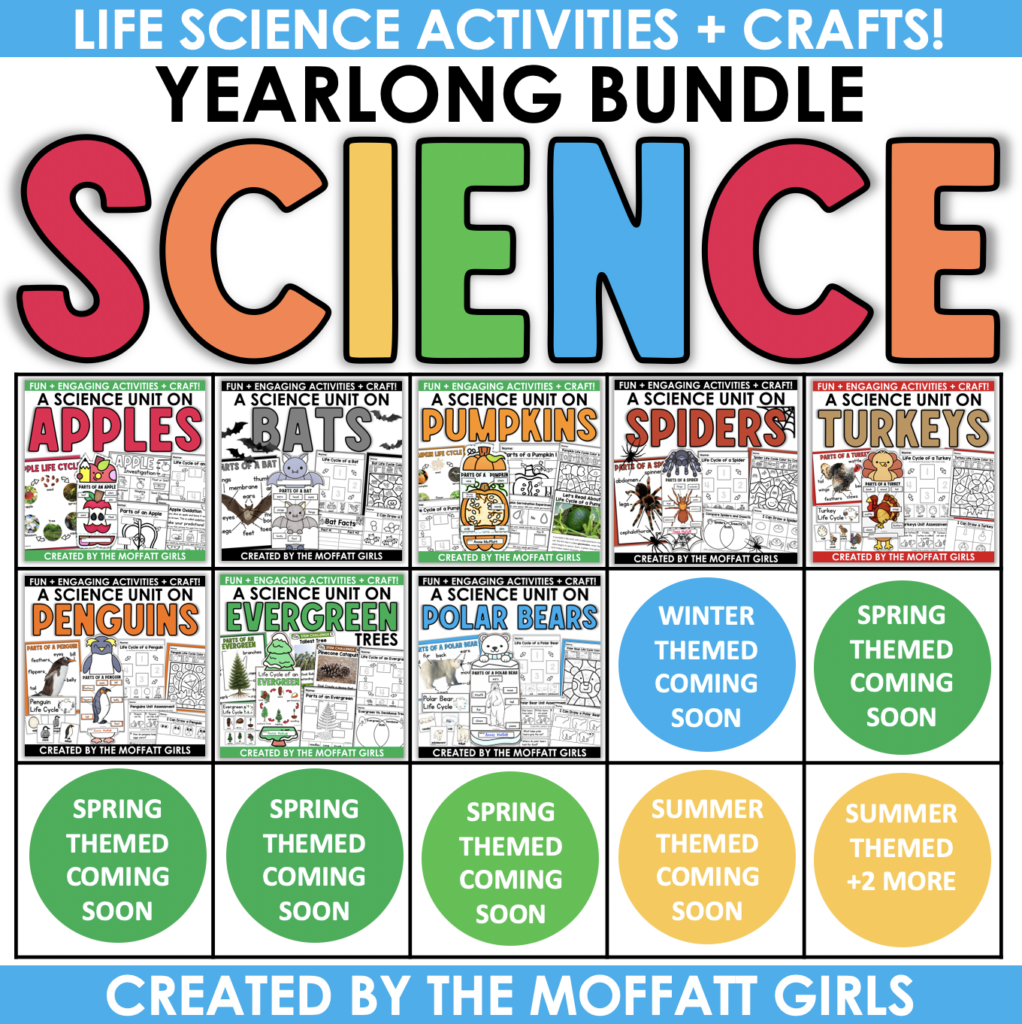
This Polar Bear Science Unit is part of the Yearlong Science Bundle: Click Here.
What’s Inside the Polar Bear Science Unit
Vocabulary
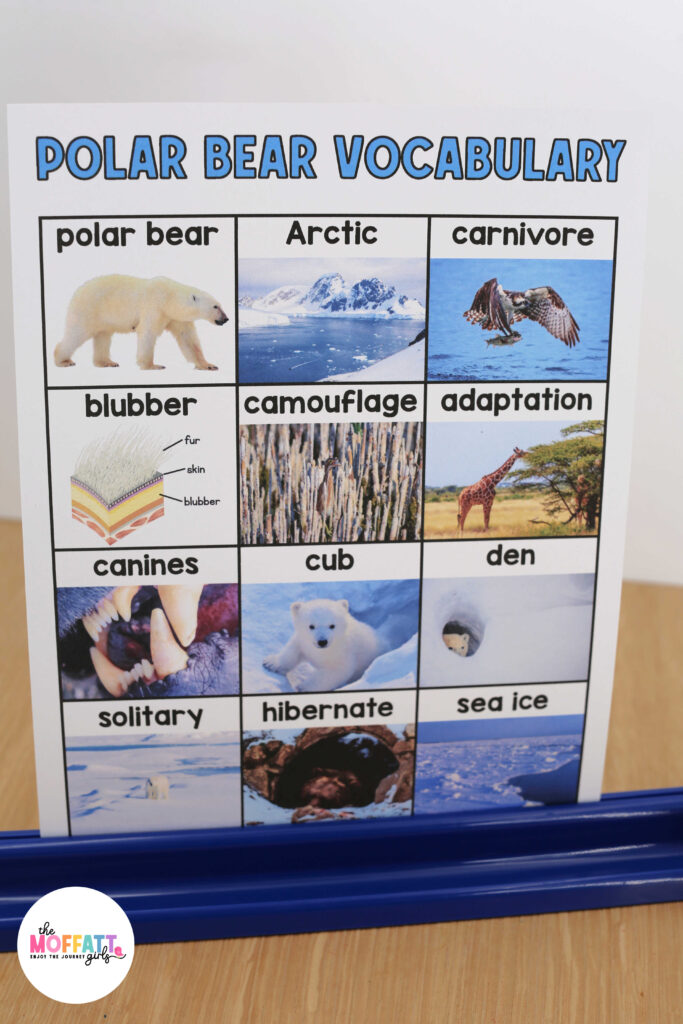
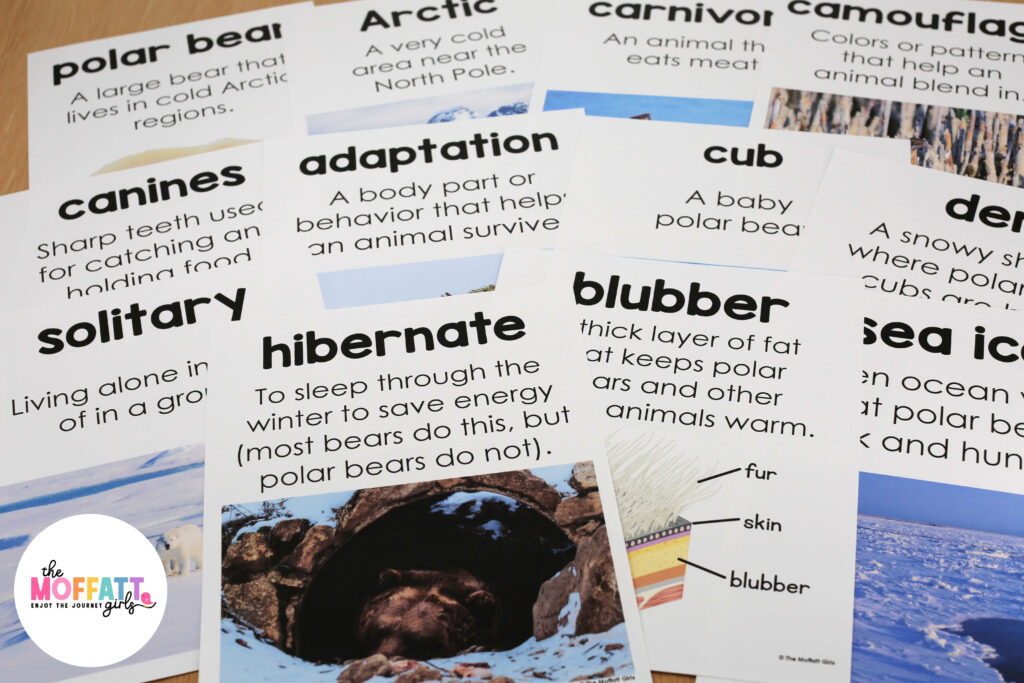
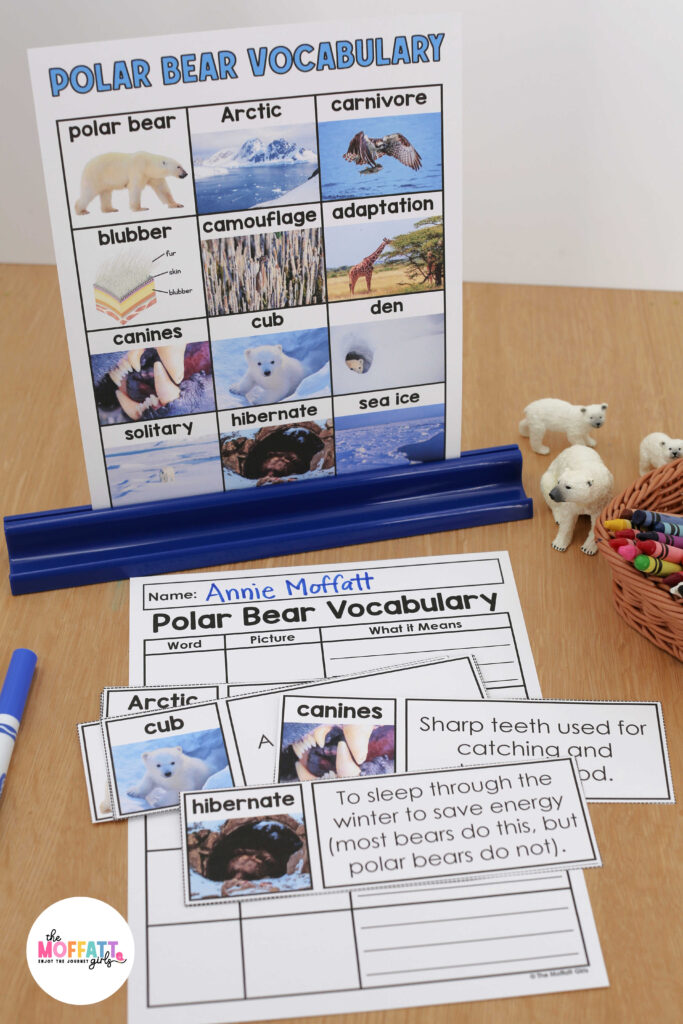
A strong science unit begins with language students can use to talk about what they are learning. In this polar bear science unit, students are introduced to key vocabulary such as camouflage, carnivore, blubber, solitary, and adaptation. Vocabulary cards, matching activities, and visual references help students confidently use scientific terms as they discuss, read, and write about polar bears.
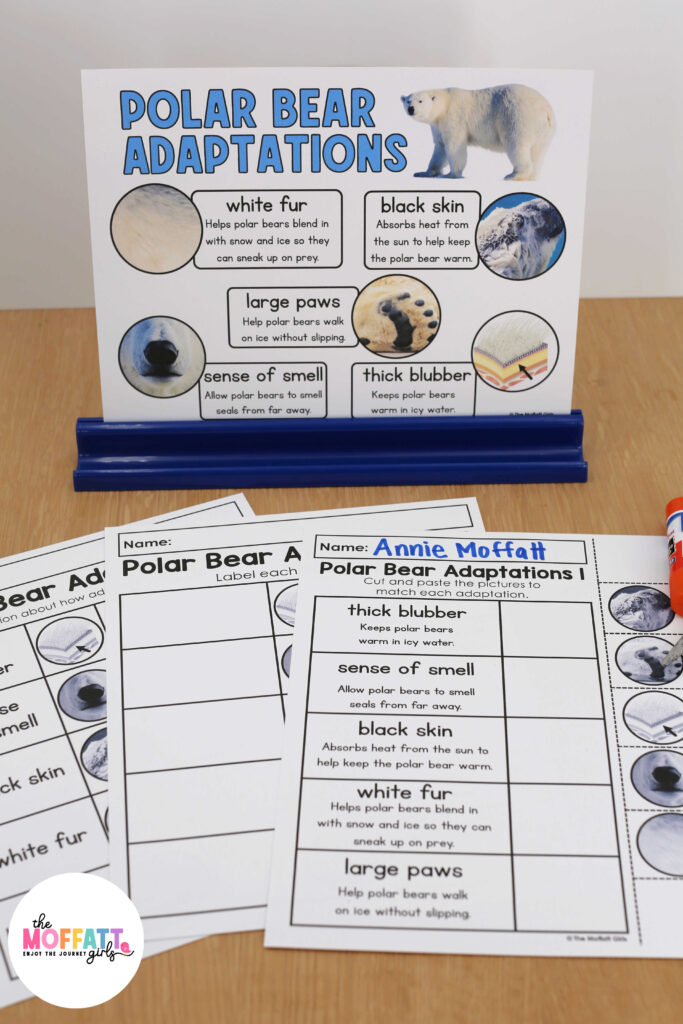
Parts of a Polar Bear
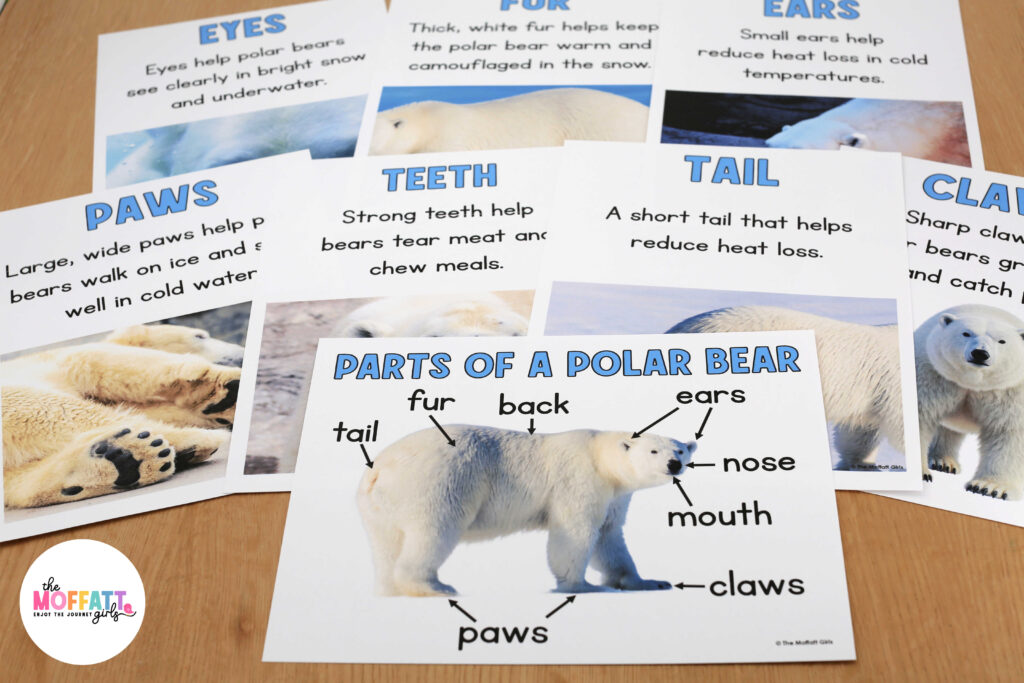
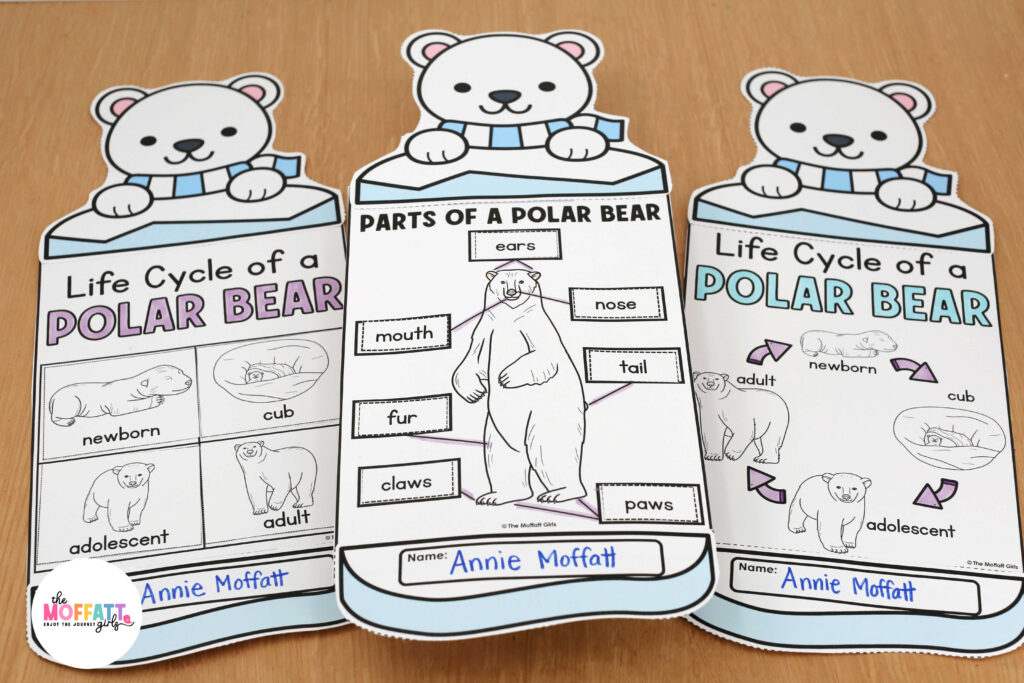
Before diving into how polar bears live and survive, students explore the major parts of a polar bear and how each part helps them thrive in their Arctic environment. Through labeled diagrams, cut and paste pages, and observation activities, learners examine features such as paws, fur, tail, and ears. This foundation supports students as they learn about adaptations that make polar bears uniquely suited to cold, icy habitats. The focus on parts of a polar bear reinforces scientific observation and vocabulary in the context of polar bear science.
Life Cycle of a Polar Bear
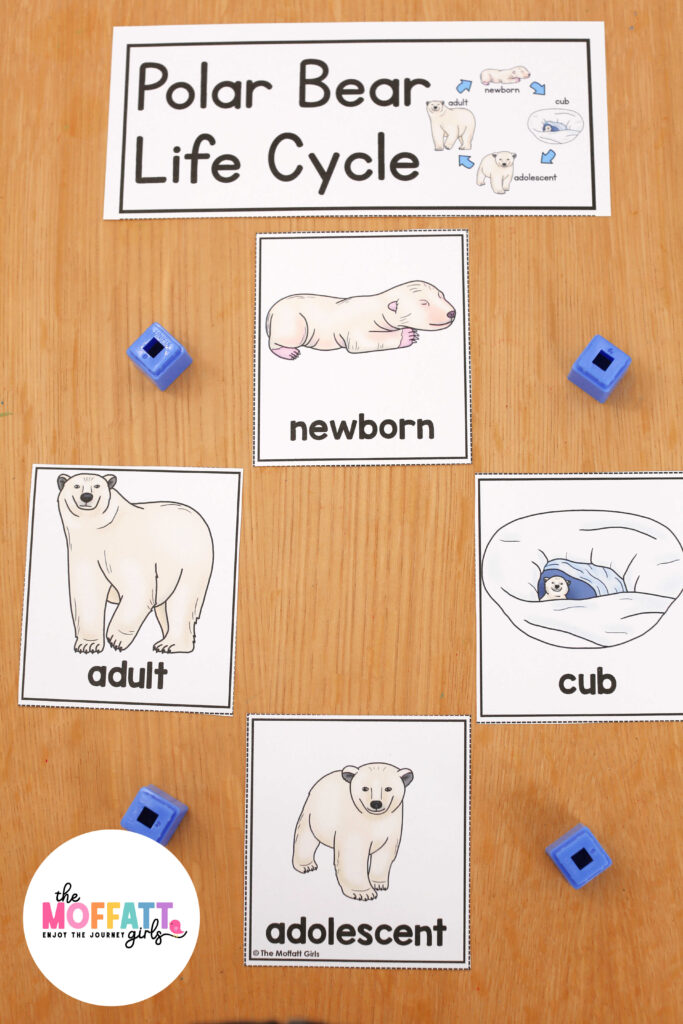
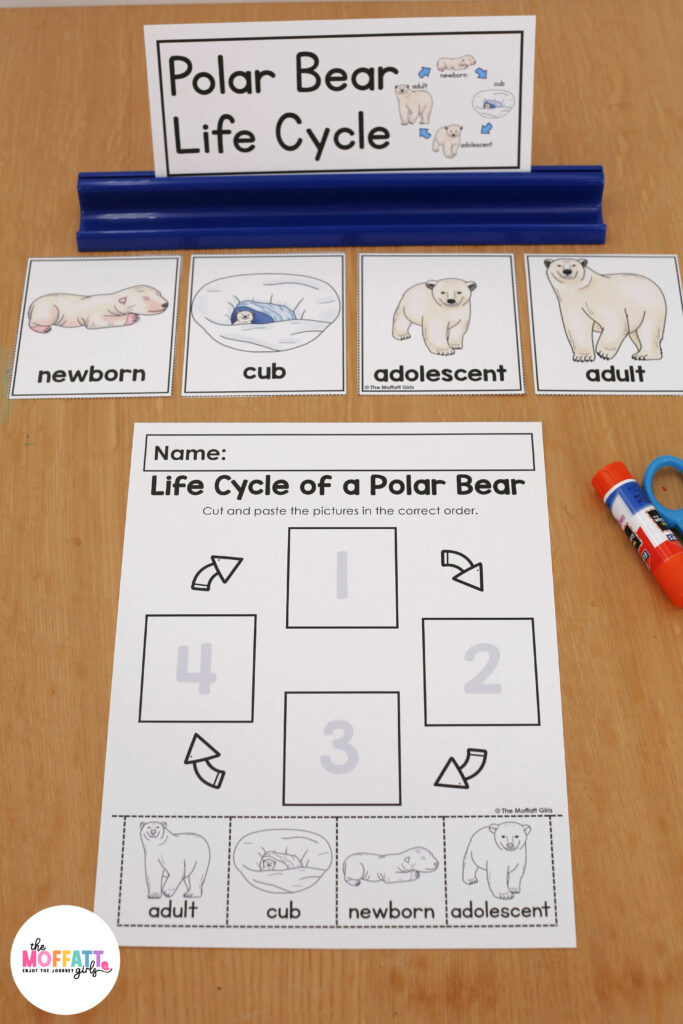
Understanding how polar bears grow and change over time is an important part of polar bear science. Students learn about the stages of a polar bear’s life, from cub to juvenile to adult. Sequencing, life cycle charts, and mini books help students understand how polar bears develop and survive in a challenging environment. These materials make it easy for learners to connect life cycle concepts with real animal science.
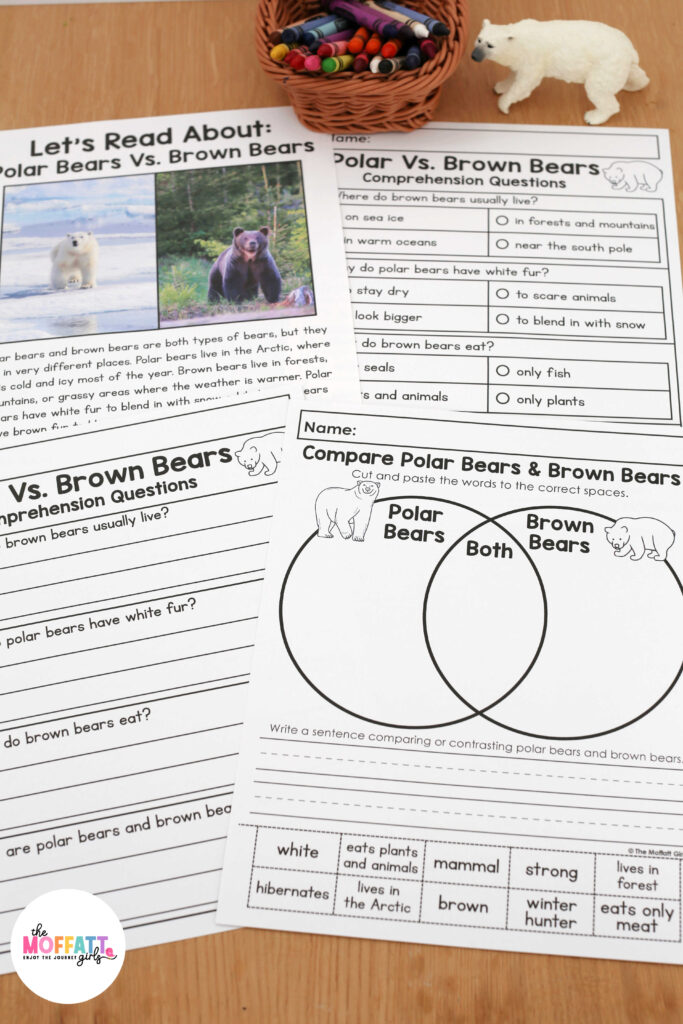
Reading Comprehension Passages with Questions
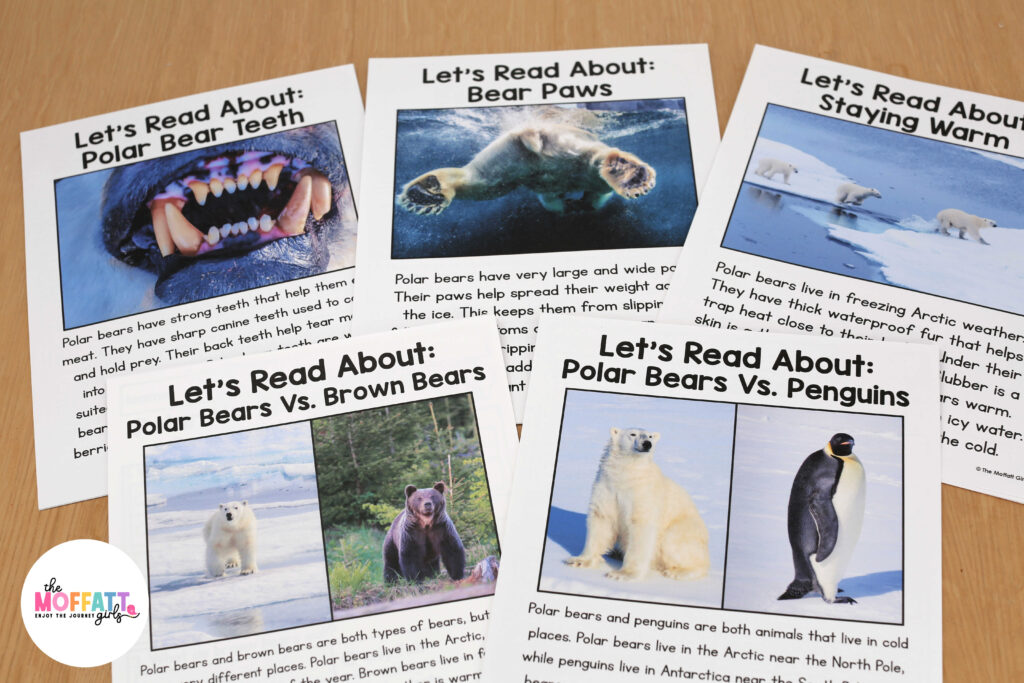
Reading comprehension is integrated throughout this polar bear science unit with nonfiction passages about polar bear habitats, behavior, diet, and adaptation. Each passage is followed by comprehension questions that help students check their understanding. This blended approach strengthens both science content knowledge and literacy skills.
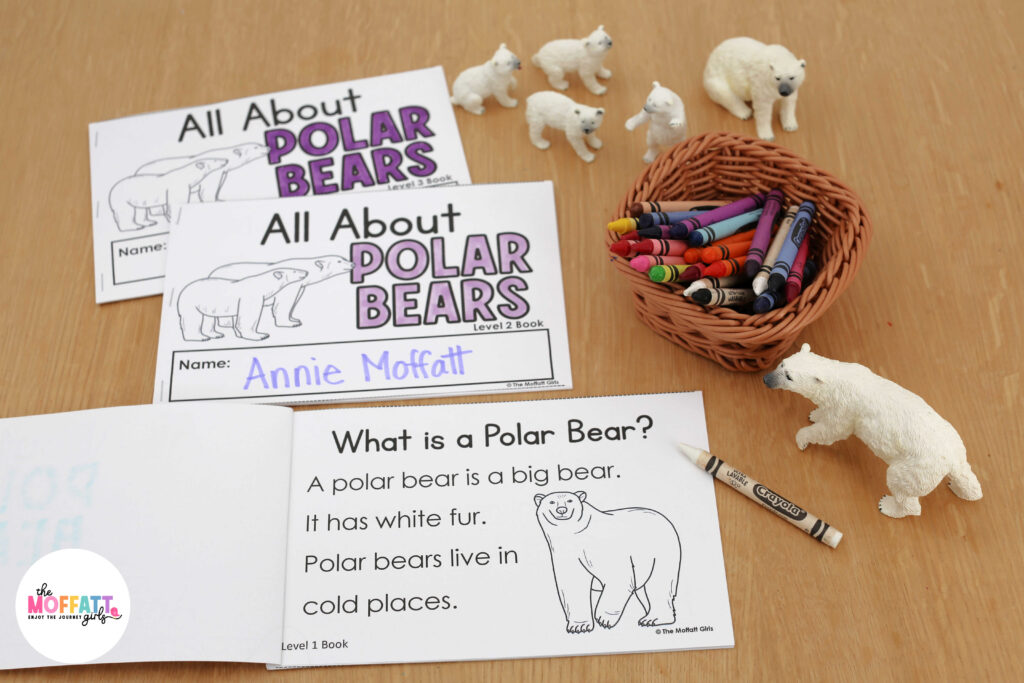
Leveled Books
To meet the needs of learners at different reading levels, the unit includes leveled books that match the polar bear content. Beginning readers can access engaging, simplified texts while more advanced readers explore more detailed information. This differentiation allows students to learn the same science concepts at their own pace and level of independence.
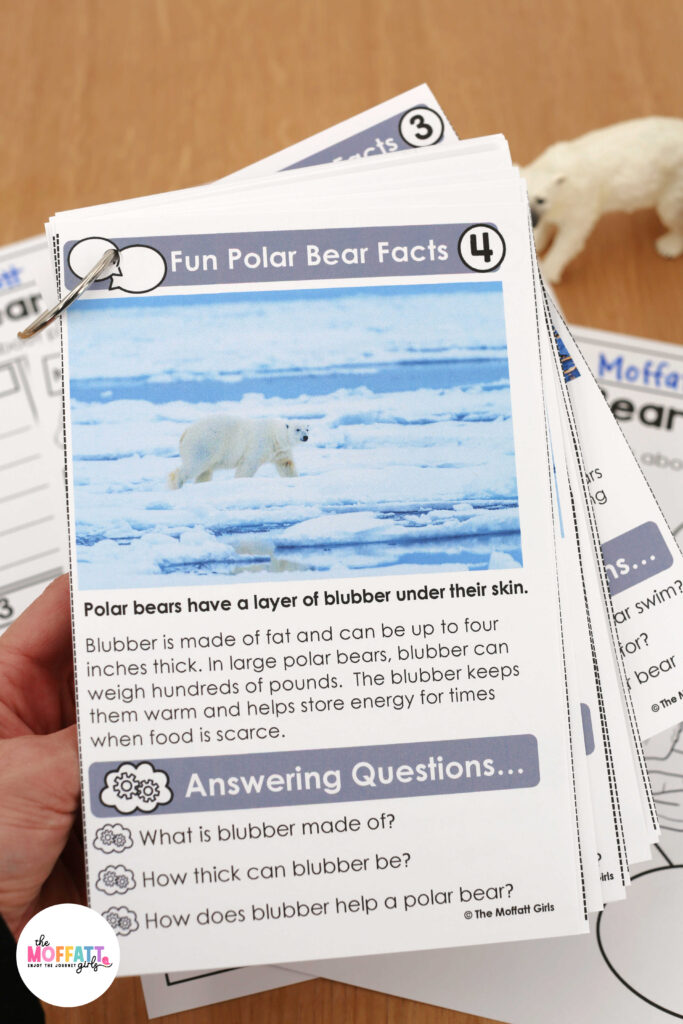
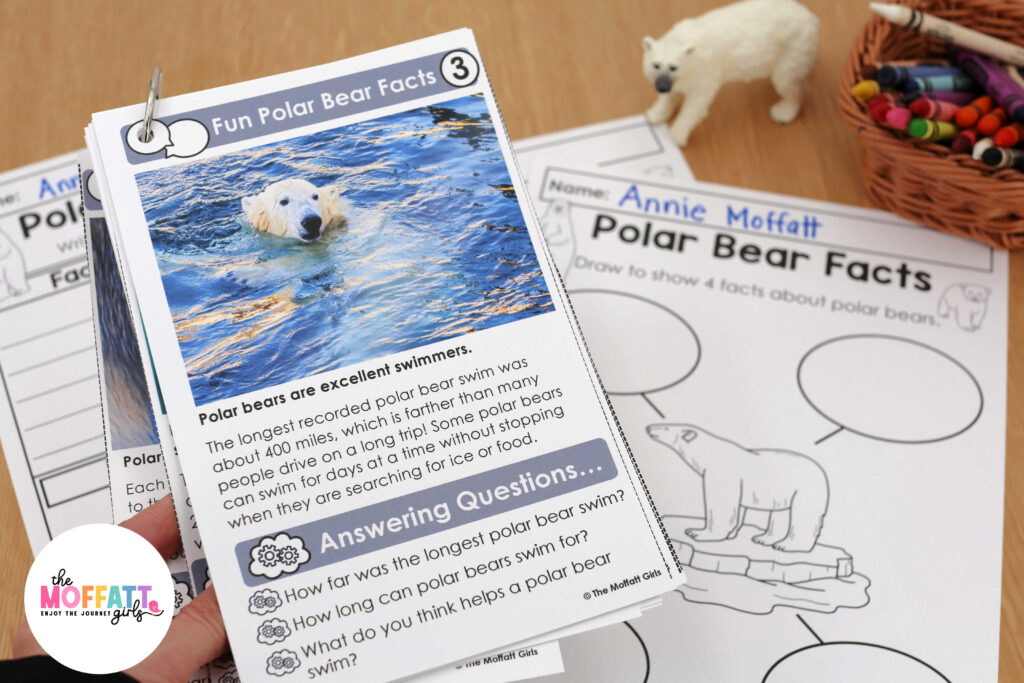
Fun Facts About Polar Bears
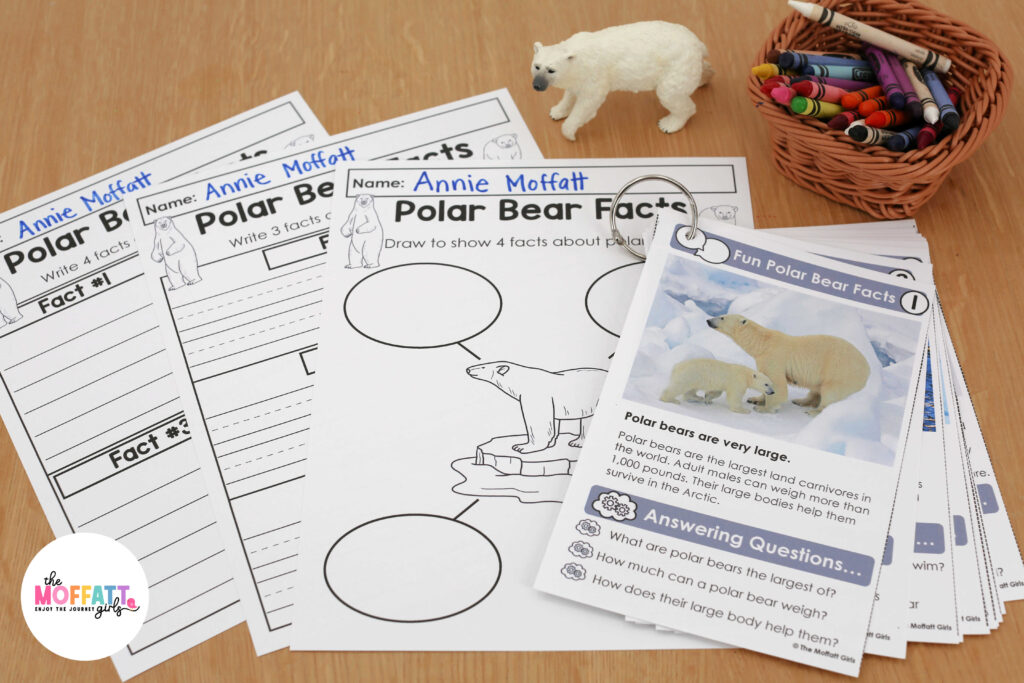
Students are naturally curious about animals, and the fun facts included in this unit help fuel that curiosity. Learners will discover interesting details about how polar bears stay warm, how far they can swim, and how they hunt for food. These fun facts make the science content feel real and relevant, sparking conversations and deeper interest in polar bear science.
Science Experiment and STEM Challenges
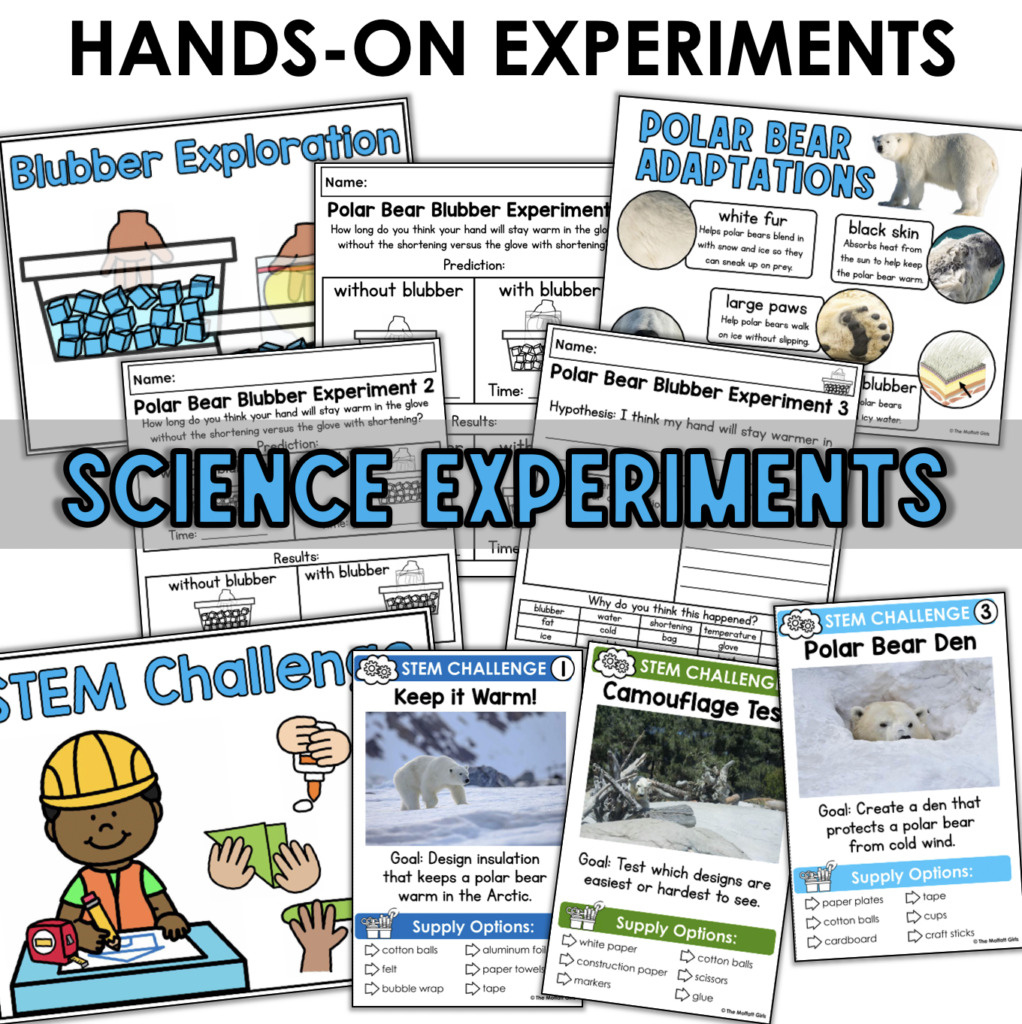
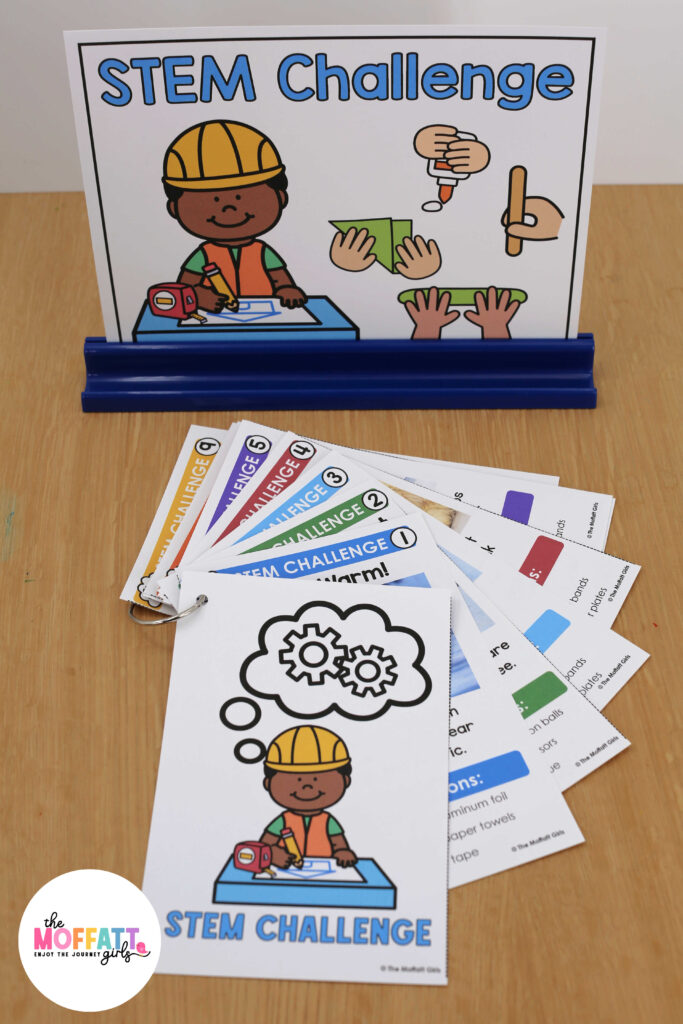
This polar bear science unit includes a hands on blubber experiment that helps students see how fat insulates and keeps polar bears warm in cold environments. Students also complete simple STEM challenges that encourage problem solving and critical thinking.
Polar Bear Craft
Hands-on learning is a key part of this polar bear science unit. The polar bear craft allows students to apply what they know about polar bear parts and adaptations in a creative project. These reinforce understanding of the physical features and characteristics that help polar bears survive in the Arctic.
Leveled Unit Assessments
Assessment supports instruction by showing what students understand and what they still need to learn. This unit includes leveled assessments that cover vocabulary, reading comprehension, life cycle stages, and parts of a polar bear. These assessments allow teachers and parents to check for understanding at multiple levels and easily track growth over time.
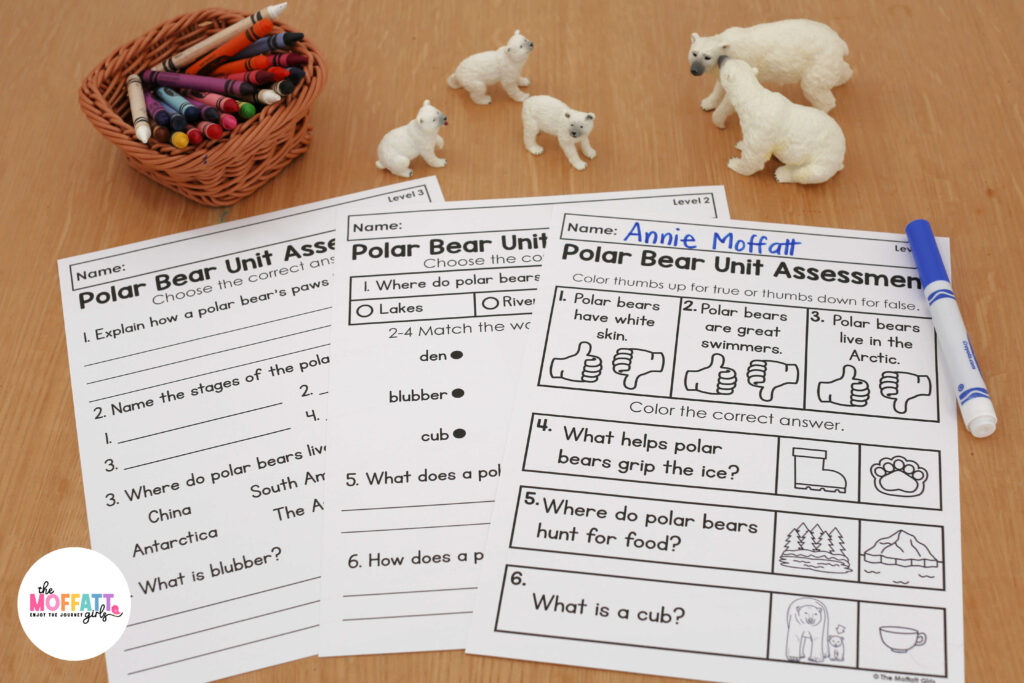
This polar bear science unit provides a comprehensive approach to teaching about one of the most intriguing Arctic animals. With a thoughtful blend of science, literacy, and creativity, students gain a rich understanding of habitat, adaptation, anatomy, and life cycle. Whether you are teaching in the classroom or at home, this resource helps you make polar bear science engaging.
Looking for more Winter Science Units? Click Here to see the Penguin Unit in action.
Share this:

Annie Moffatt
Annie Moffatt is a former elementary school teacher and homeschool mom with a passion for helping young learners thrive. With a background in early education and a heart for making learning fun, Annie designs engaging, low-prep resources that build confidence and success in the classroom. Her hands-on, kid-friendly approach has supported thousands of teachers and parents around the world in creating joyful learning experiences for their students.


Hello,
Where did you find the blue paper holder?
Hi Connie,
I got those from Lakeshore Learning. Here’s the link: click here. I hope that helps!
Kindly,
Annie