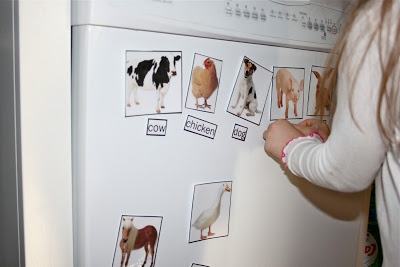







Arctic Fox Science
Share this:
Teaching students about animals is always exciting, and few creatures capture young learners’ interest quite like the Arctic fox. This Arctic fox science unit brings together science, literacy, and hands-on learning in a way that makes exploration meaningful and engaging. Whether you are teaching in the classroom or supporting learning at home, this resource offers a rich set of activities designed to deepen understanding while building vocabulary, critical thinking, and observation skills.

This Arctic Fox Science Unit is part of the Yearlong Science Bundle: Click Here.

What’s Inside the Arctic Fox Science Unit
Vocabulary
The foundation of any strong science unit is vocabulary, and this Arctic fox science resource begins there. Students are introduced to key terms such as tundra, camouflage, predator, prey, den, molt, and adaptation. With vocabulary cards, matching activities, and visual references, students gain confidence using scientific language as they explore the unique characteristics of Arctic foxes and their environment.


Parts of an Arctic Fox
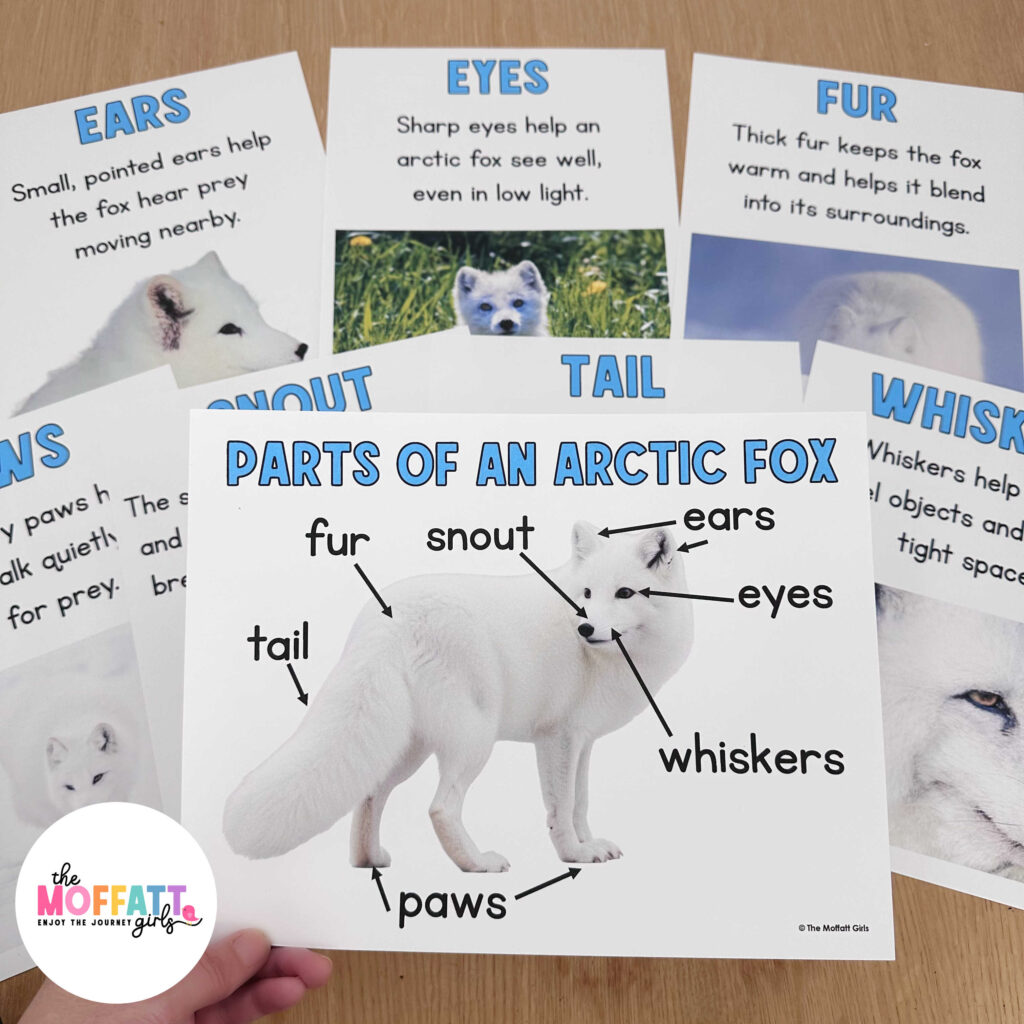
Next, students take a closer look at the parts of an Arctic fox. Through labeled diagrams, cut and paste activities, and observation pages, learners identify features such as ears, paws, fur, tail, and claws. Understanding these parts helps students see how Arctic foxes are built for survival in cold climates. This focus on structure supports comprehension of concepts such as insulation and movement across snow and ice as part of Arctic fox science.
Arctic Fox Adaptations
Teaching about adaptations is a key part of this Arctic fox science unit. Students learn how Arctic foxes survive in extreme cold through features such as thick fur, seasonal coat color changes, small ears that reduce heat loss, and furry paws that act like snowshoes. Through discussions, visuals, and hands on activities, learners explore how each adaptation helps the Arctic fox find food, stay warm, and avoid predators. This deeper look at survival strategies strengthens students’ understanding of how animals are uniquely designed for their environments and makes Arctic fox science even more meaningful.

The Let’s Talk Animal Adaptation Cards invite students to discuss various animal adaptations and consider whether or not an Arctic fox has the same adaption.


Create Your Own Animal
Once students have learned about various animal adaptions, they can show what they know by creating their own animals. Students design an original animal with special features that help it live in a specific habitat. This activity is a great way to apply their knowledge while getting creative.

Camouflage Exploration
In this Arctic fox science unit, students explore camouflage with a simple hands on experiment. Small animal pictures are hidden inside sealed baggies filled with different colors of paint. Students squish and press the paint to try to find the hidden animals. Some animals are easy to see. Others blend in and are harder to find. This activity helps students understand how camouflage protects animals in their habitats.


Here is another fun activity for students to explore camouflaged animals. Students can flip through the cards and try to find the animal that is hidden in the picture.

Life Cycle of an Arctic Fox
In the life cycle section, students learn how Arctic foxes grow and change over time. They explore stages from pup to adult and learn how survival strategies evolve throughout these stages. Sequencing activities, mini books, and visual charts help students understand not just the order of the life cycle but also what each stage requires in terms of food, shelter, and protection.

Reading Comprehension Passages
Reading comprehension is seamlessly woven into the Arctic fox science unit through nonfiction passages with questions. These passages help students build reading skills while learning about Arctic fox behavior, habitat, diet, and adaptations. The comprehension questions encourage students to think critically about what they have read and connect ideas across texts.


Leveled Readers
To support learners at different levels, the unit includes leveled books that reinforce the same animals and science concepts. Beginning readers and more fluent readers can explore Arctic fox science at their own pace. This makes it ideal to use in guided reading groups, independent practice, or homework.


Extra Activities
The unit also includes creative extras such as writing prompts, directed drawings, and grid drawing pages. Writing prompts allow students to reflect on what they have learned or imagine life as an Arctic fox. Directed drawings guide students step by step as they create their own Arctic fox illustrations, reinforcing observation and fine motor skills. Grid drawing pages provide a fun way to review parts of an Arctic fox and science concepts in an engaging format.


Arctic Fox Science Craft
A craft activity lets students build and label their own Arctic fox. This reinforces the parts and life cycle concepts they have learned. This hands-on project also makes a fantastic classroom display that showcases student learning.

Leveled Assessments
Finally, leveled unit assessments help teachers and parents check for understanding. They cover vocabulary, the parts of an Arctic fox, life cycle stages, and reading comprehension. These assessments provide valuable feedback that can guide future instruction and support learners at every level.

This Arctic fox science unit offers a comprehensive, hands-on approach to exploring one of the most remarkable animals of the North. With connections to science, literacy, creativity, and critical thinking, it is a valuable and engaging resource for classrooms and home learning alike.
Looking for more Winter Science Units? Click Here to see the Penguin Unit in action.
Share this:

Annie Moffatt
Annie Moffatt is a former elementary school teacher and homeschool mom with a passion for helping young learners thrive. With a background in early education and a heart for making learning fun, Annie designs engaging, low-prep resources that build confidence and success in the classroom. Her hands-on, kid-friendly approach has supported thousands of teachers and parents around the world in creating joyful learning experiences for their students.