





Penguin Science and Craft
Share this:
If you’re looking for a science resource that brings nature, reading, writing, and creativity together, this Penguin Science unit is a wonderful choice for classroom or home learning. With engaging activities and leveled supports, this resource helps students explore penguins in a meaningful way, while building important skills in science, literacy, and art.
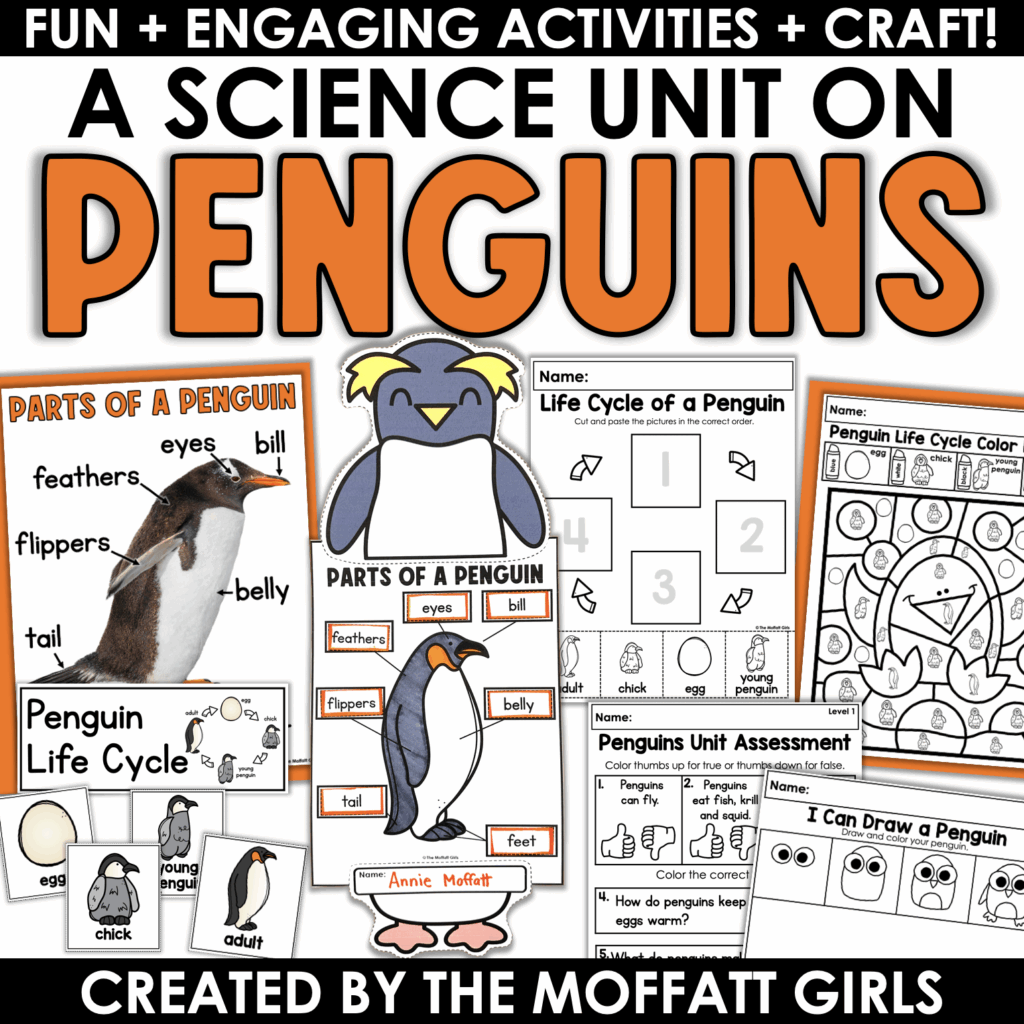
This Penguin Science Unit is part of the Yearlong Science Bundle: Click Here.
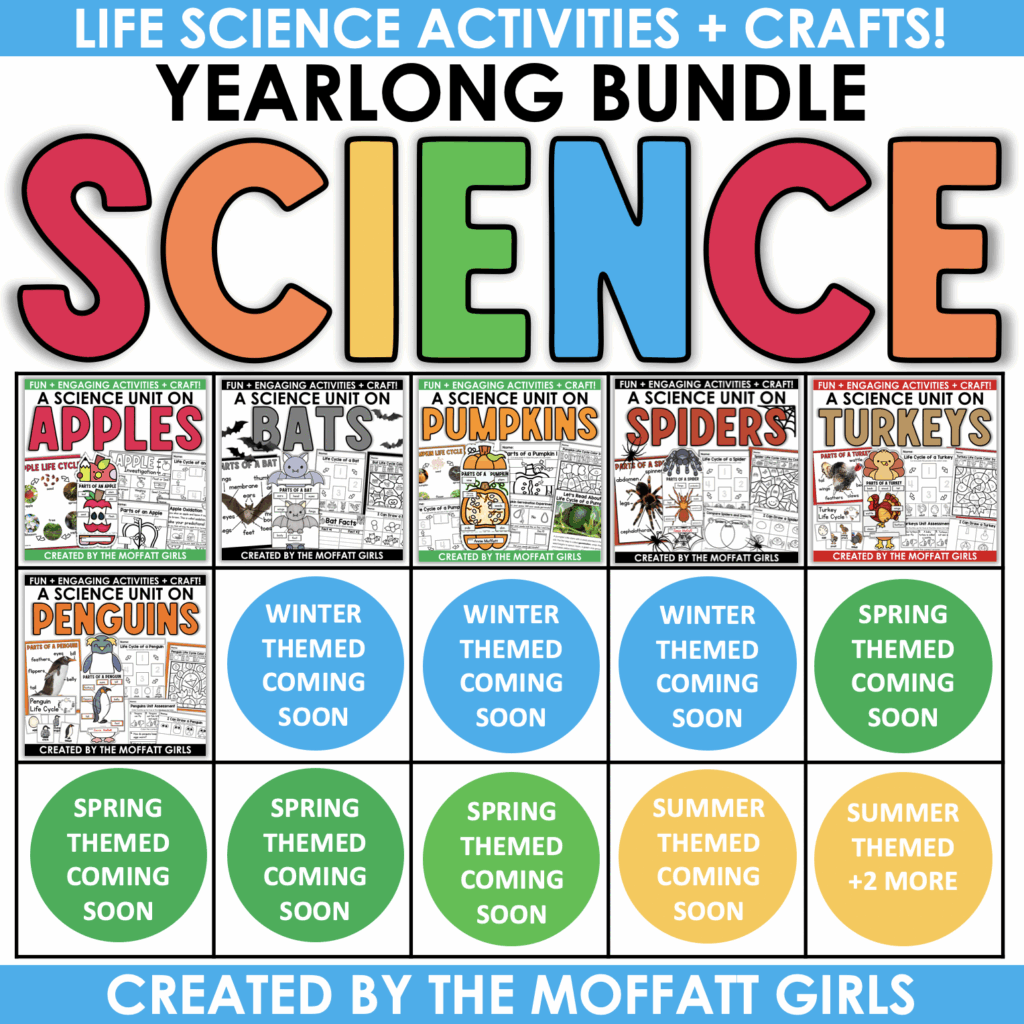
What’s Inside the Penguin Science Unit
Vocabulary Activities
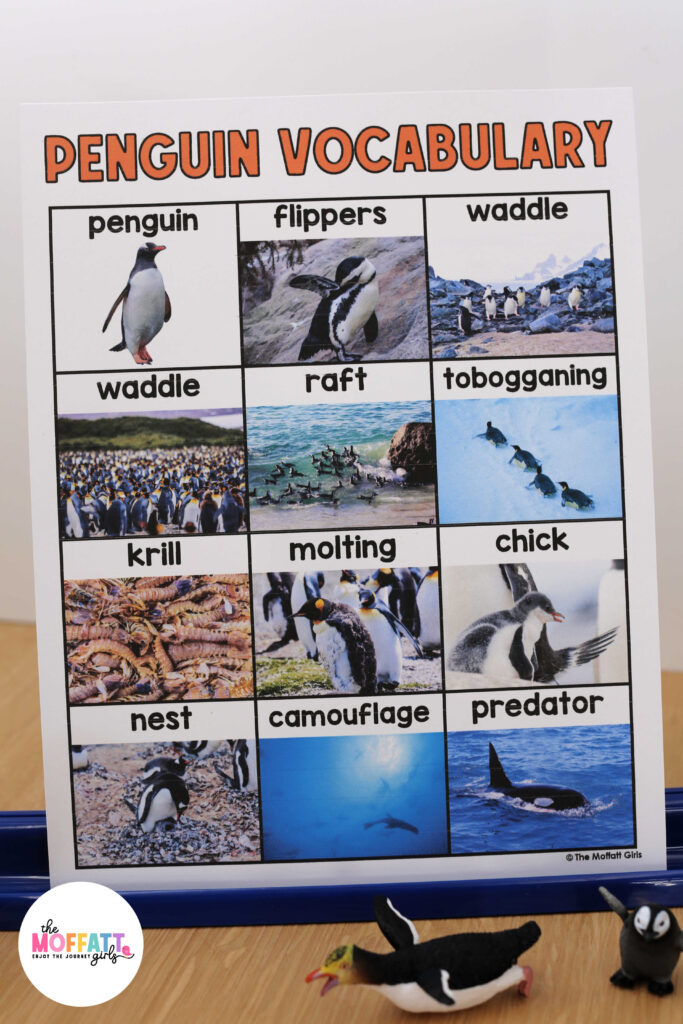
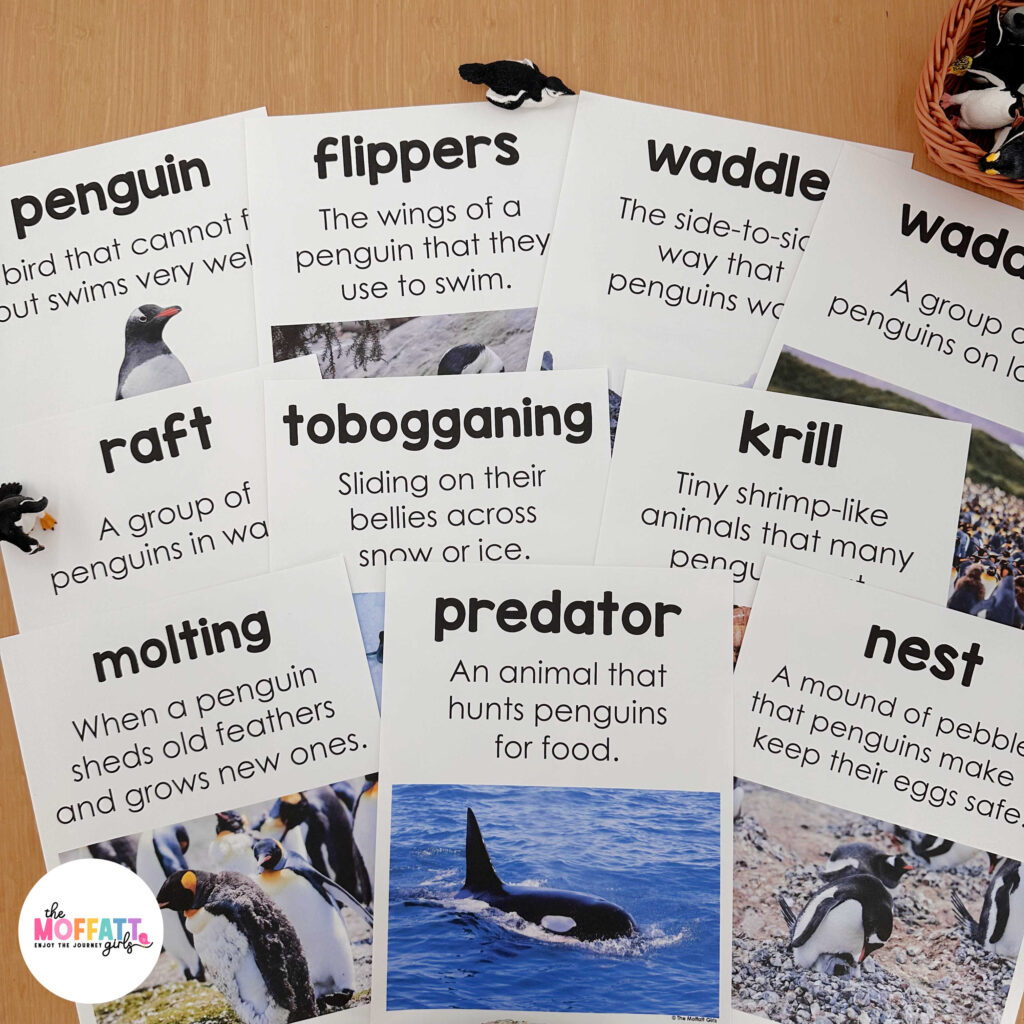
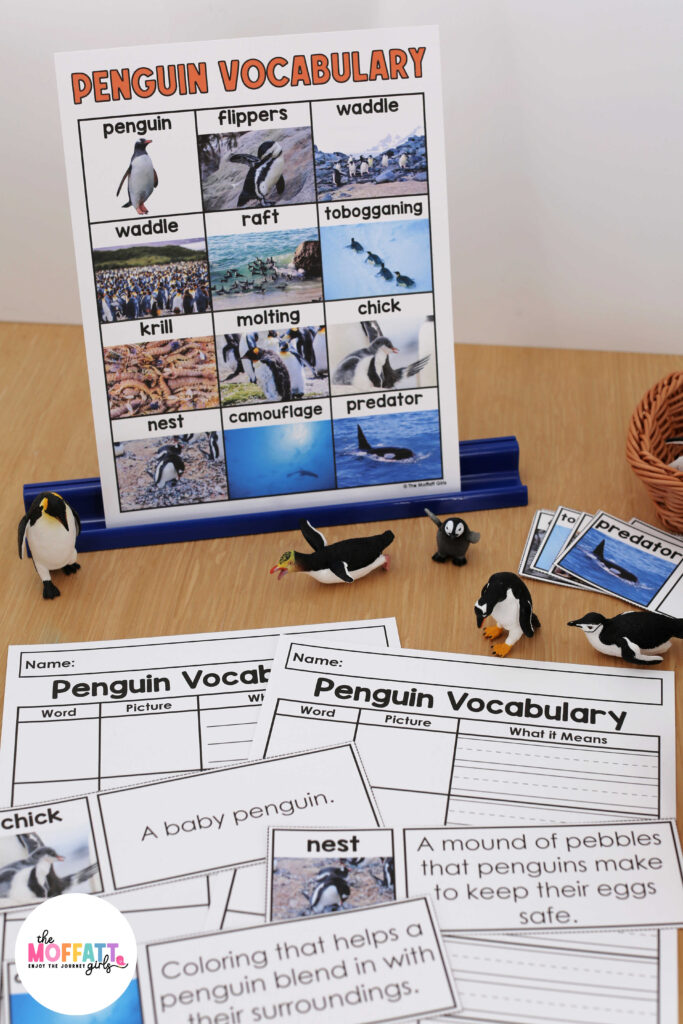
Every science lesson starts with words! This unit provides vocabulary cards, word walls, and matching or sorting activities that introduce and reinforce key terms like feathers, flipper, chick, molt, camouflage, and tobogganing. This “word foundation” helps students confidently discuss the penguin’s anatomy, life cycle, and adaptations in true penguin science style.
Parts of a Penguin
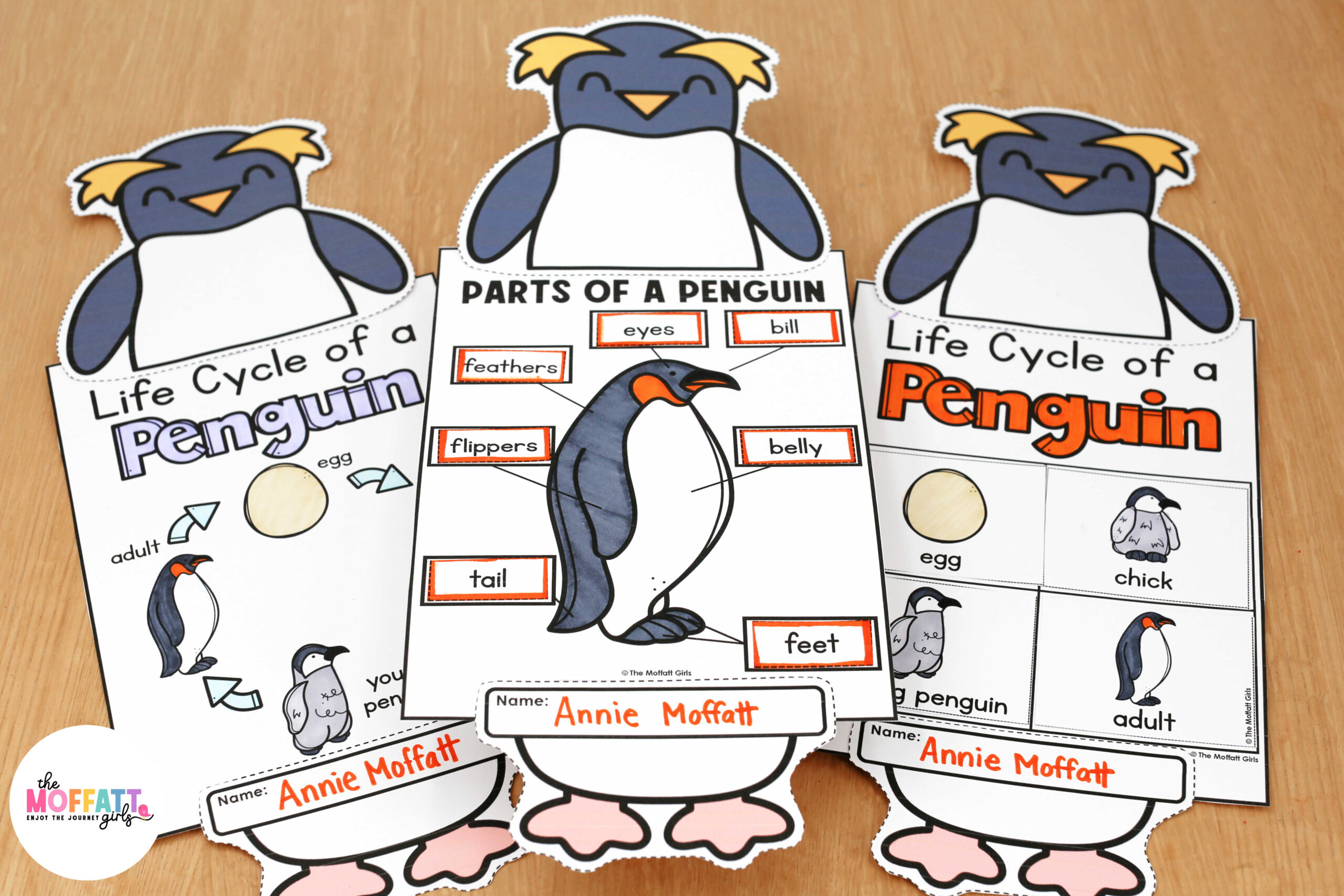
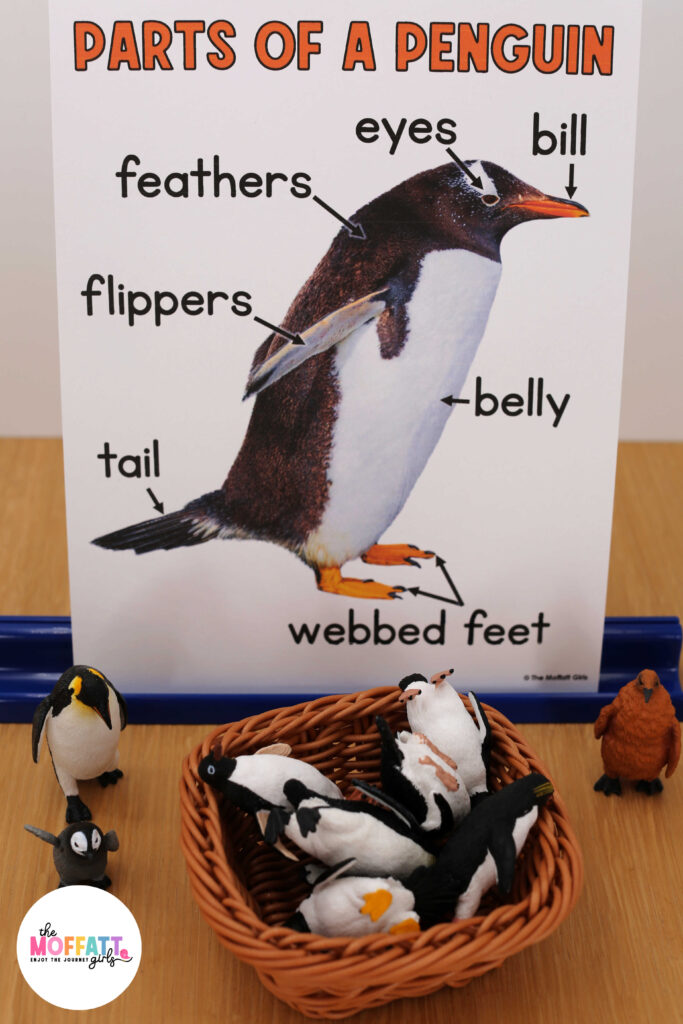
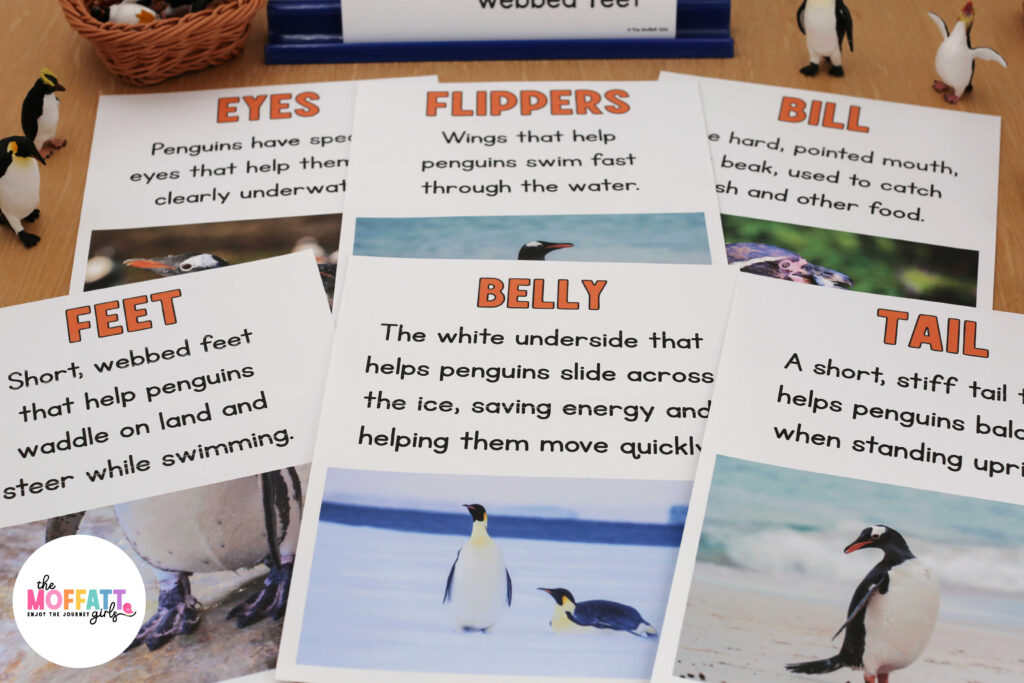
Before diving into how penguins grow and live, students explore the parts of a penguin. Through labeled diagrams, cut-and-paste sheets, and visual posters, learners identify flippers (wings), webbed feet, beak, body, and feather coverings. Understanding these parts helps children appreciate how penguins are built for life in water and adapted to cold climates.
Science Experiments
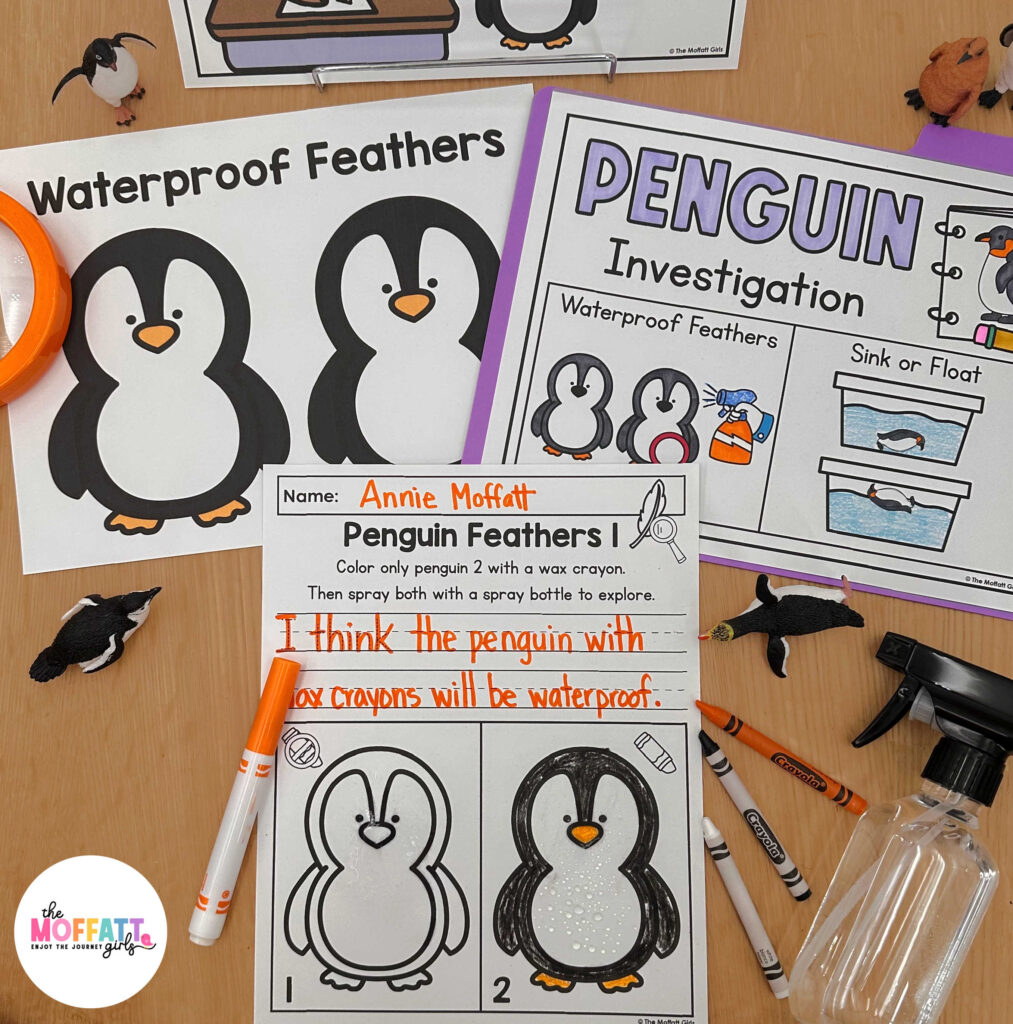
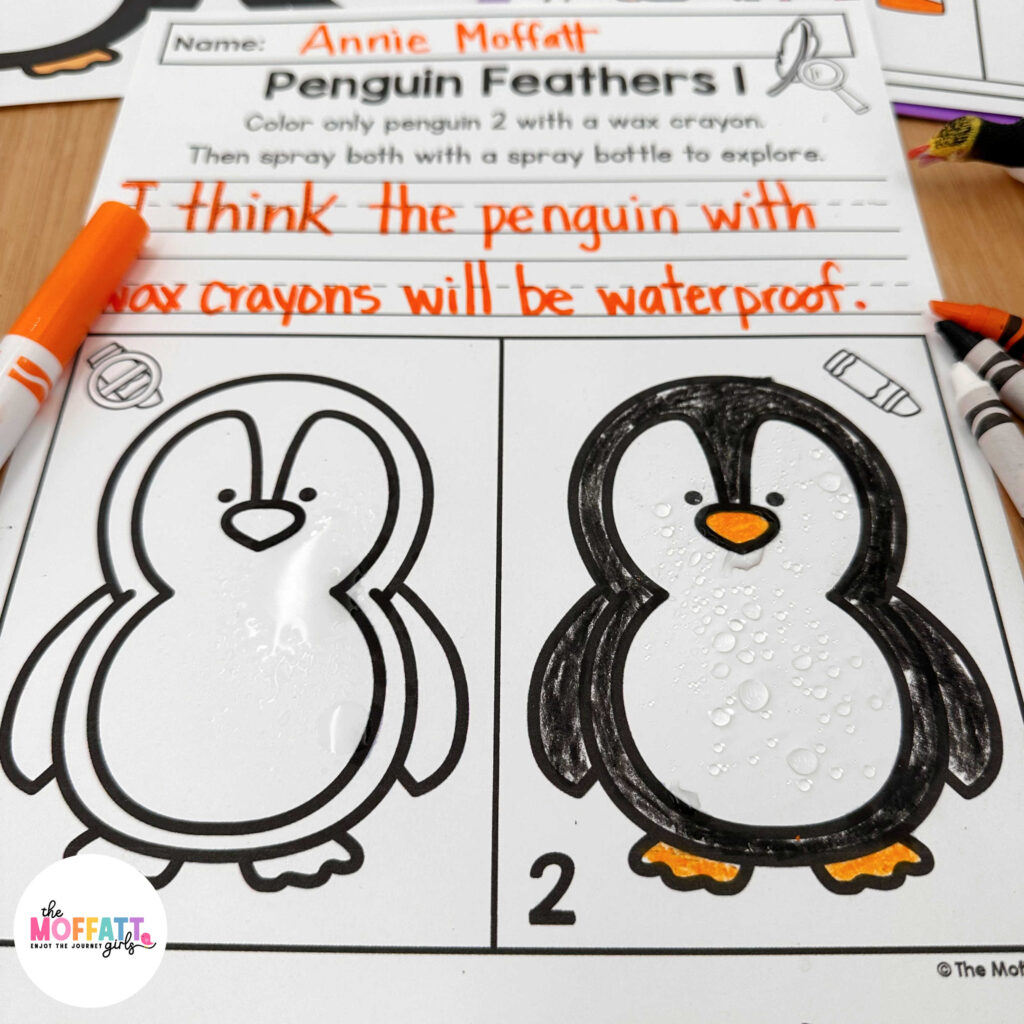
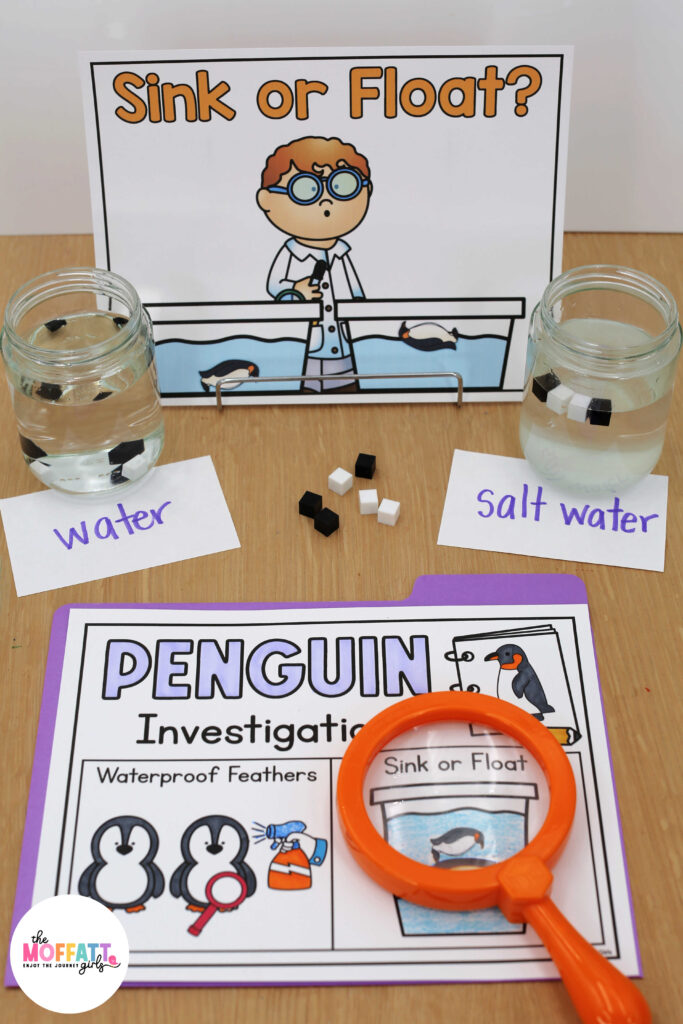
This penguin science unit also includes two engaging, hands-on experiments that help students explore real penguin adaptations in meaningful ways. In the Waterproof Feathers Experiment, students color one paper penguin with a wax crayon and leave the other one plain. After spraying both with water, they observe how the wax-coated penguin repels water just like a penguin’s waterproof feathers, while the plain penguin absorbs it.
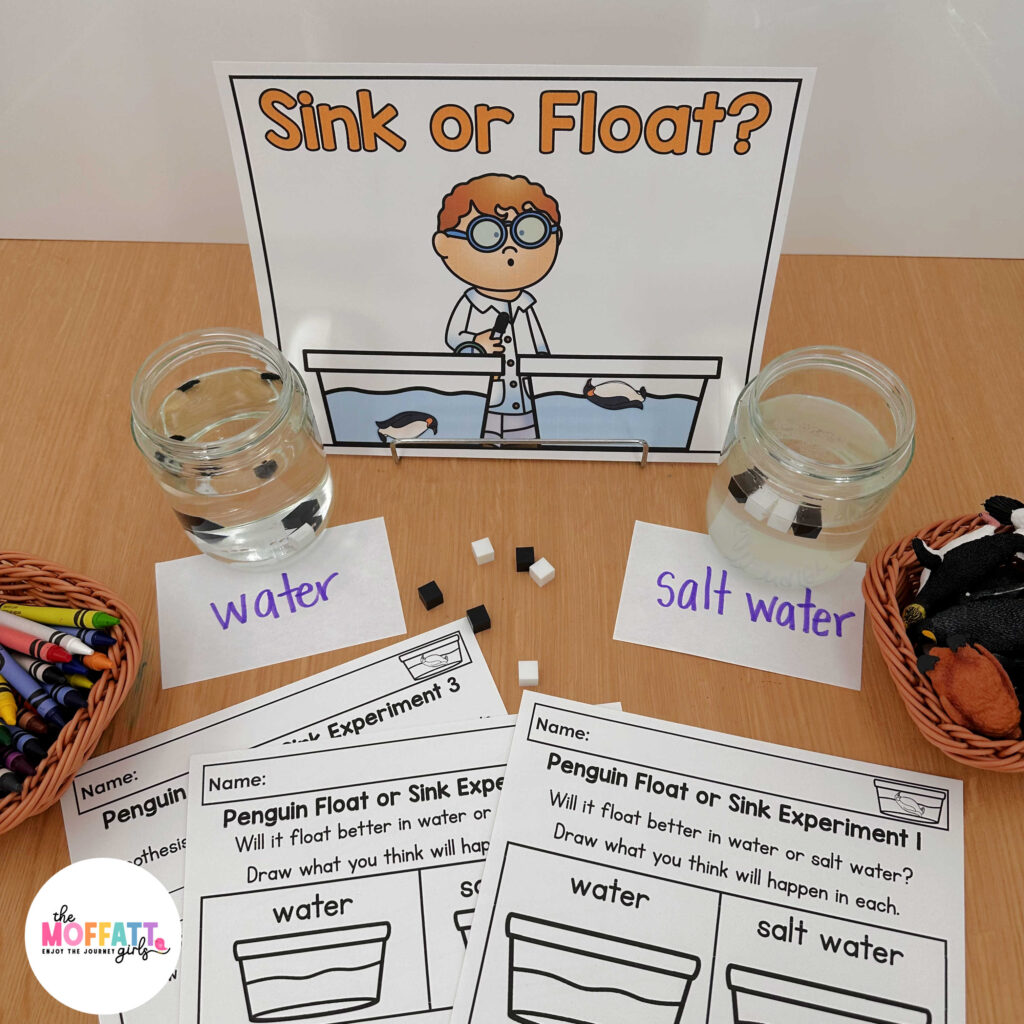
In the Sink or Float Experiment, students investigate buoyancy by placing objects in plain water and then in salt water, discovering how salt increases water density and makes objects more buoyant. Both experiments bring penguin science to life and help students connect scientific concepts with real-world animal adaptations.
Where in the World
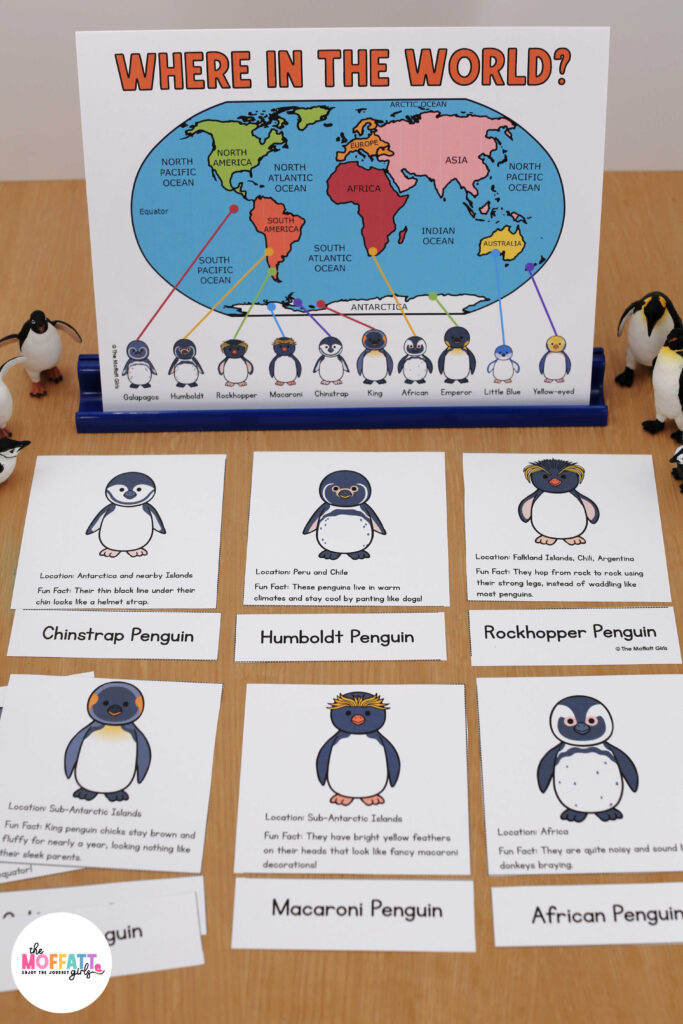
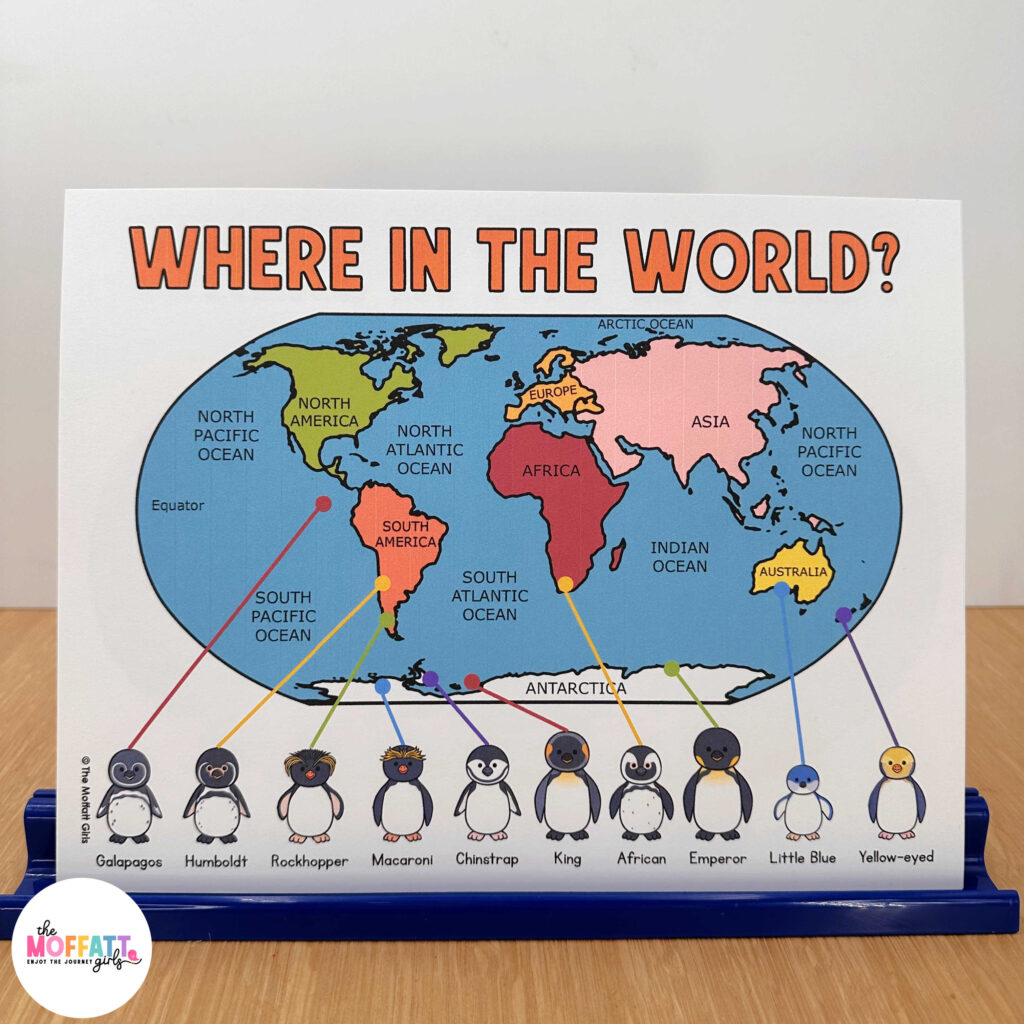
In addition to the hands-on science experiments, students will love exploring the Where in the World map and penguin matching activity. This interactive lesson helps students learn about different penguin species, where they live, and how each one is unique. By matching each penguin to its correct location on the map, students build geography skills while discovering fun facts about penguins around the world. It’s an engaging way to bring global learning into your classroom!
Life Cycle of a Penguin
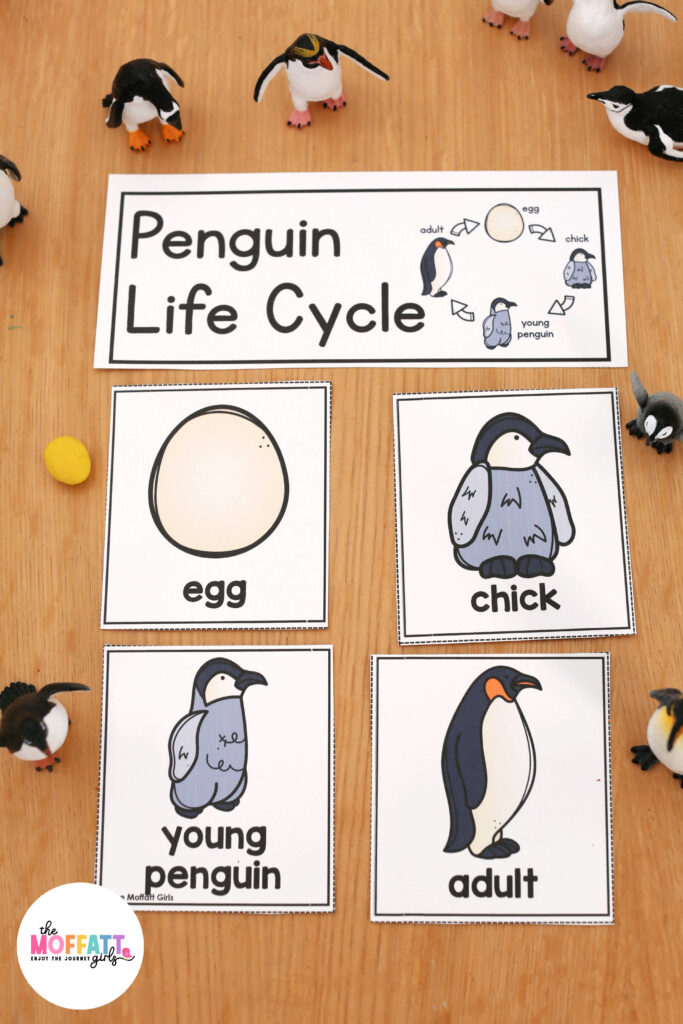
This unit guides students through the stages of the penguin life cycle: from egg to chick, to young penguin, and finally adult. Visual sequencing charts help learners track how penguins grow, molt, and develop waterproof feathers, a key adaptation for their aquatic life.
Reading Comprehension Passages with Questions
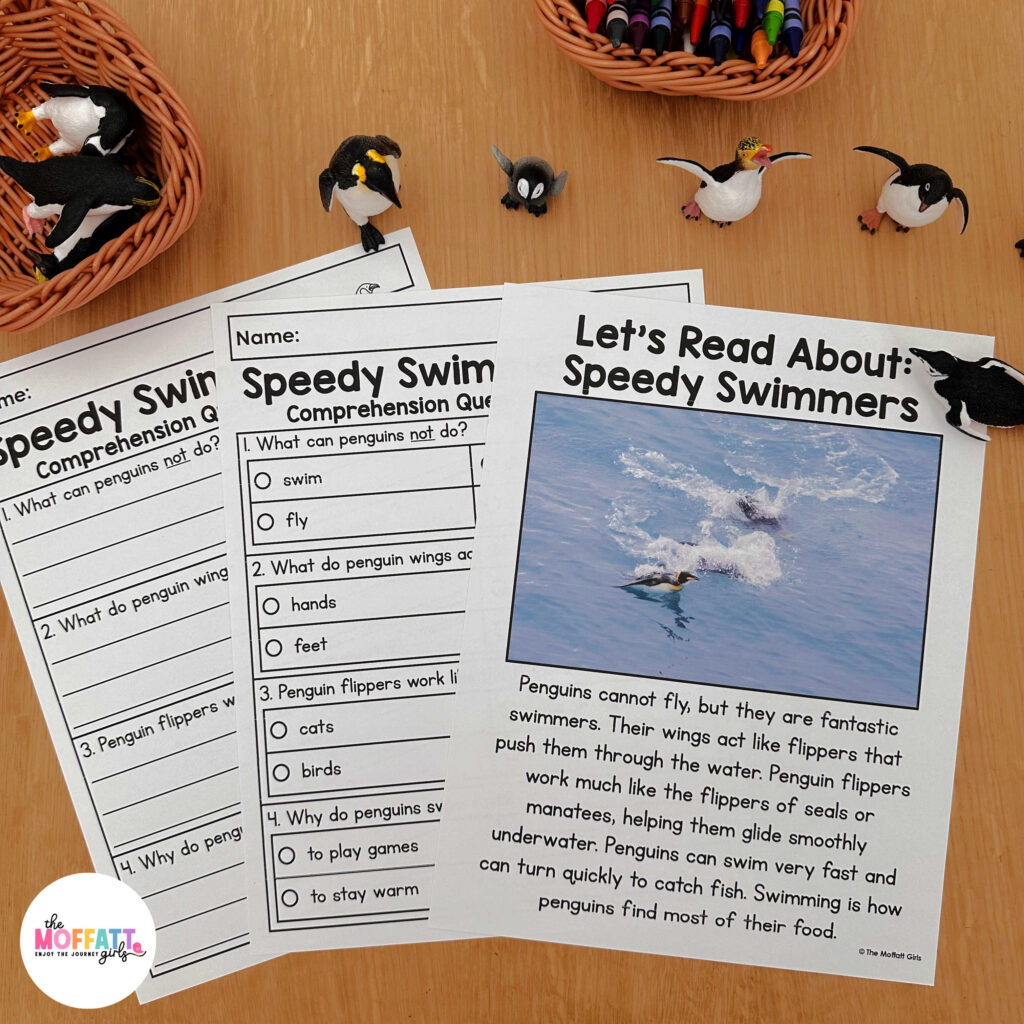
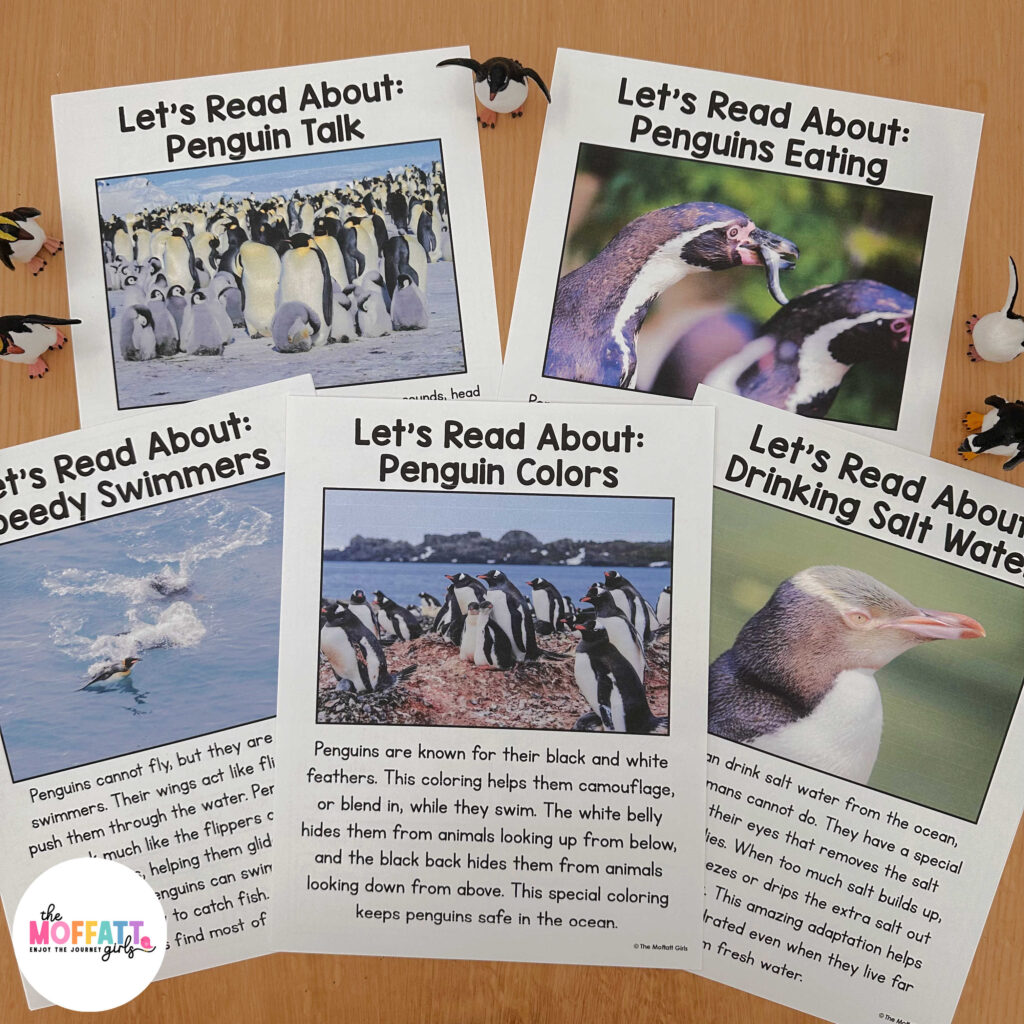
Integrated nonfiction passages about penguins’ habitats, their life cycle, behavior, and adaptations give students a chance to read, learn, and reflect. Each passage is followed by comprehension questions that check understanding and encourage critical thinking about what they read, perfect for combining literacy skills with penguin science concepts.
Leveled Books
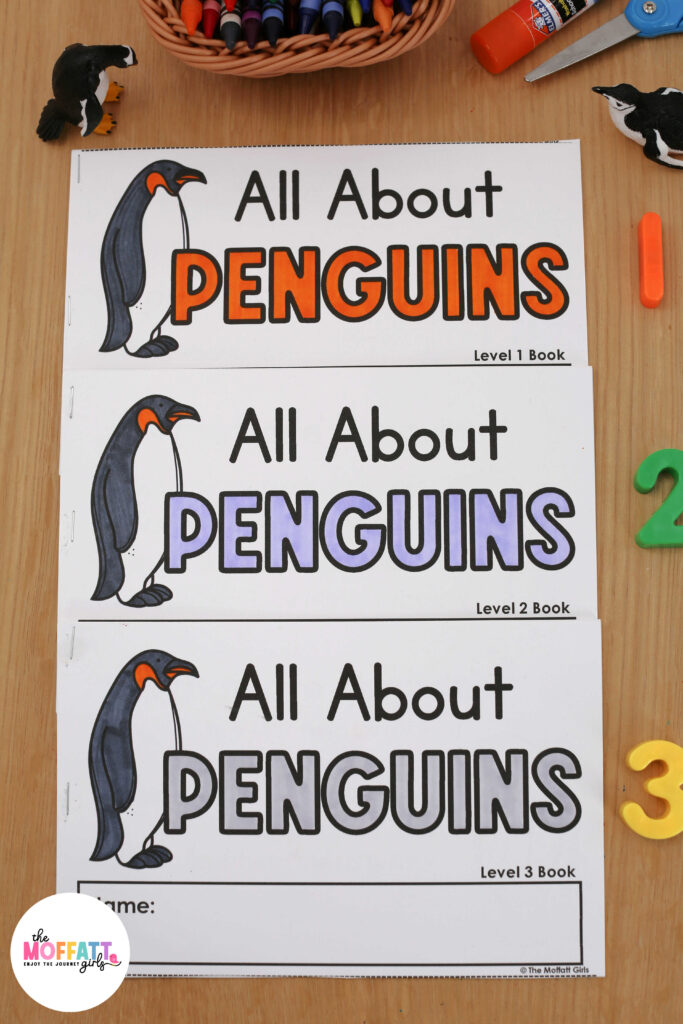
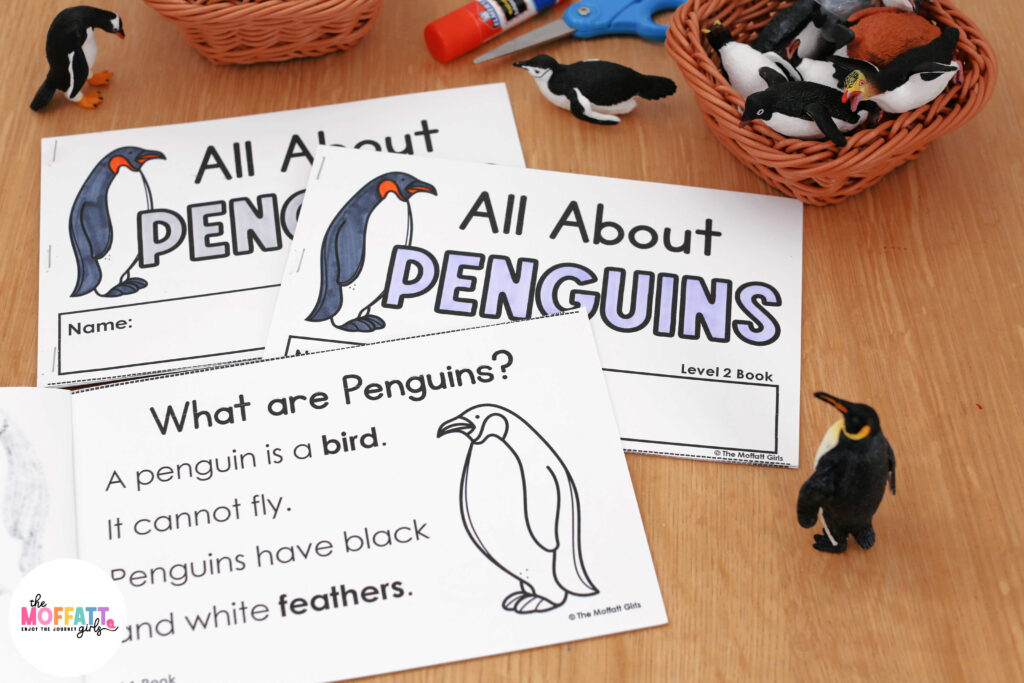
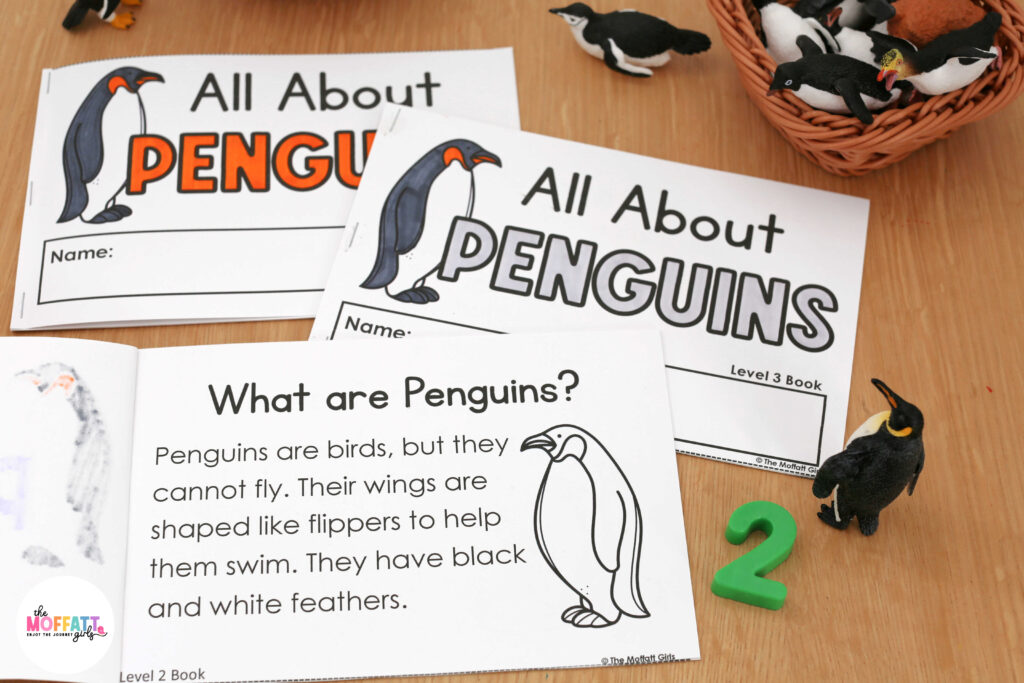
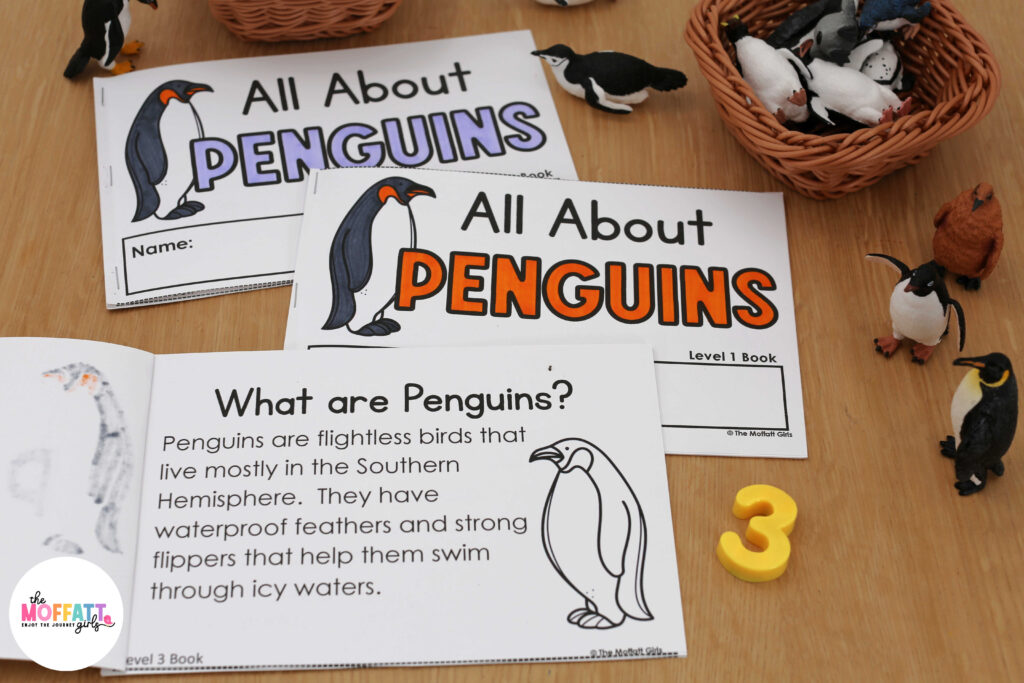
Because not all students read at the same pace, the unit includes leveled books covering penguin facts and life cycles. This ensures that both early readers and more advanced readers can engage with the same scientific content, making learning inclusive and flexible.
Fun Facts About Penguins
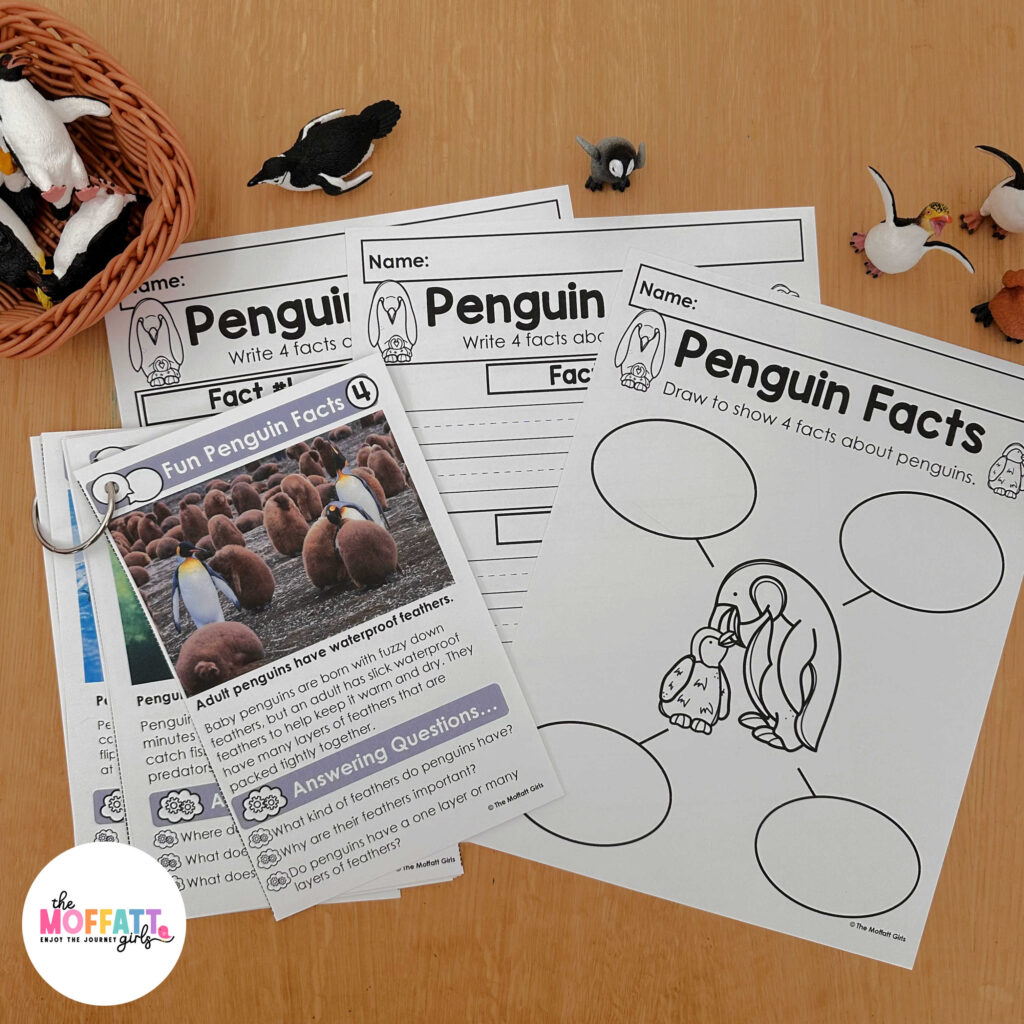
To spark curiosity, the unit shares fascinating facts about penguins, such as how their dense, layered feathers and body adaptations help them stay warm and swim efficiently in cold, watery environments. These facts make the science feel real and relevant, and often lead to rich classroom discussions.
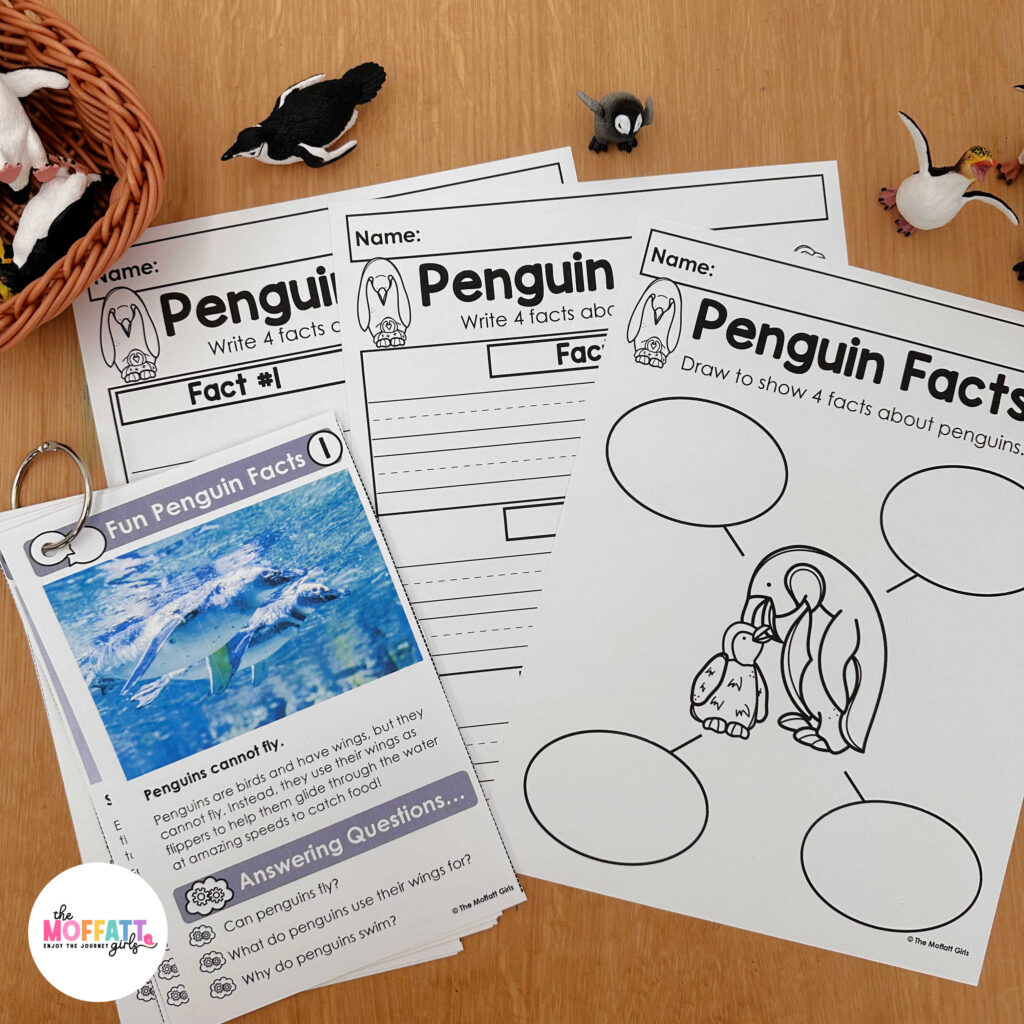
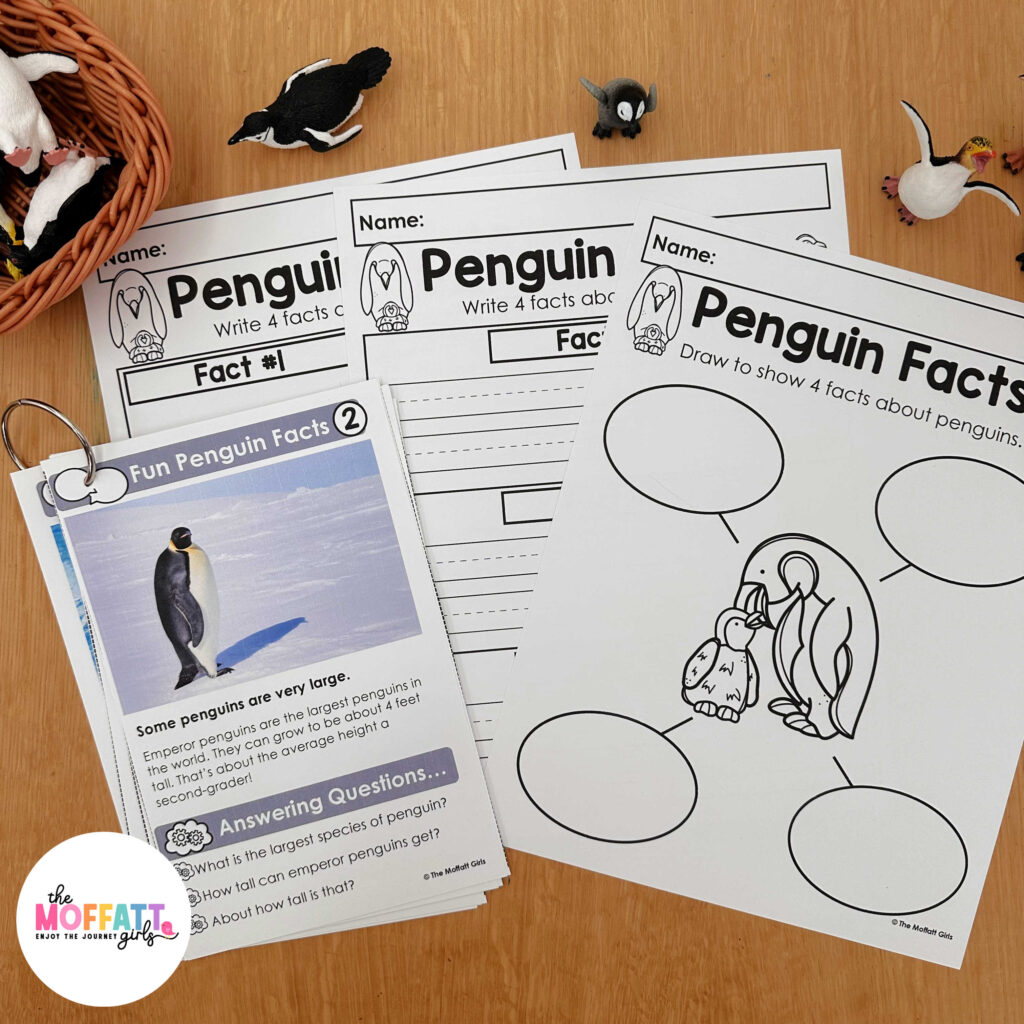
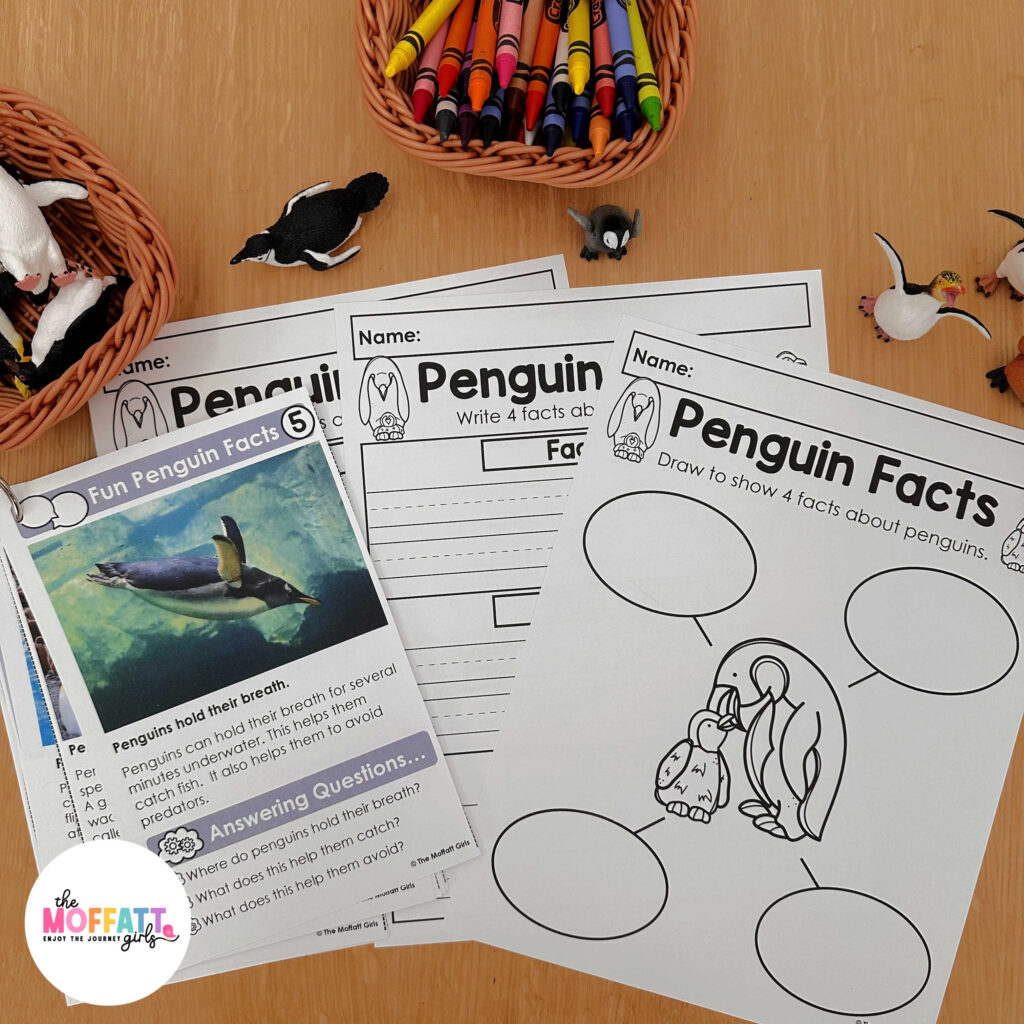
Extras: Writing Prompts, Directed Drawings & Color-by-Code
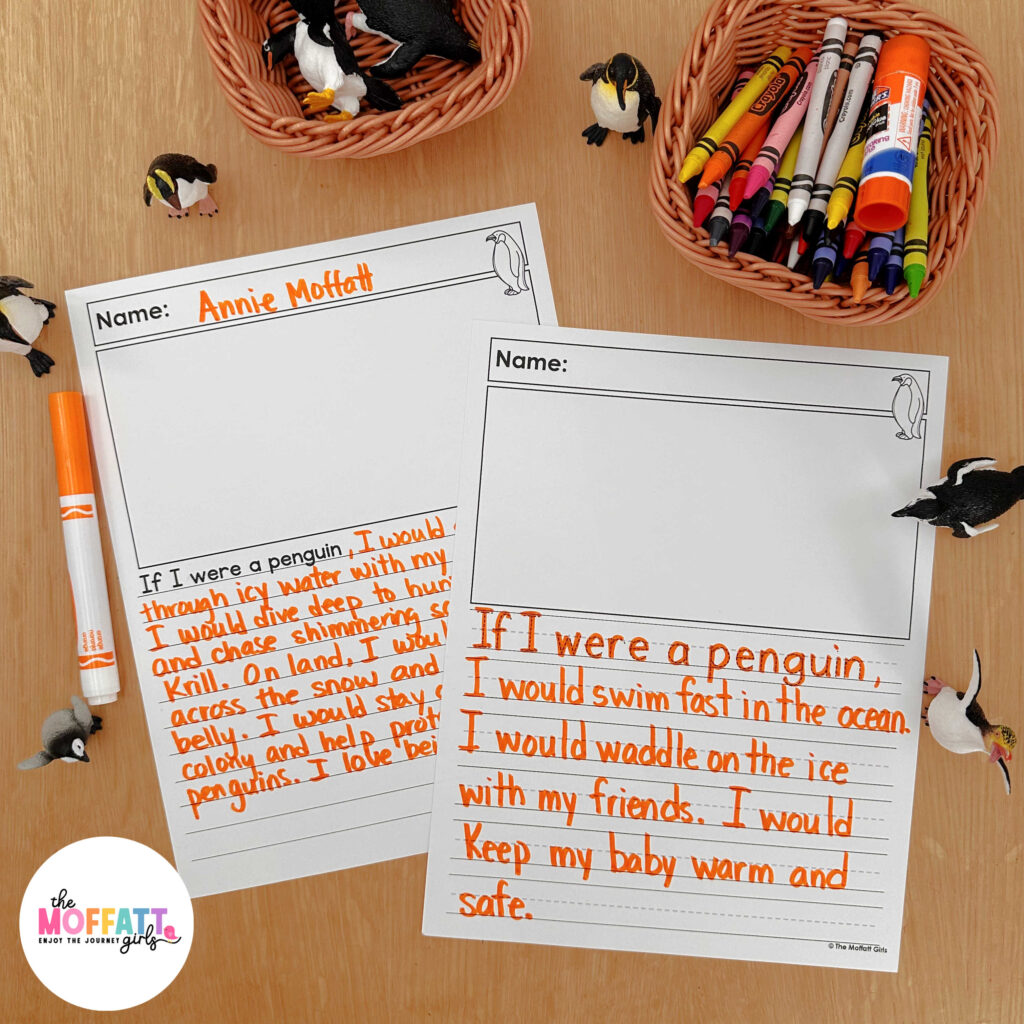
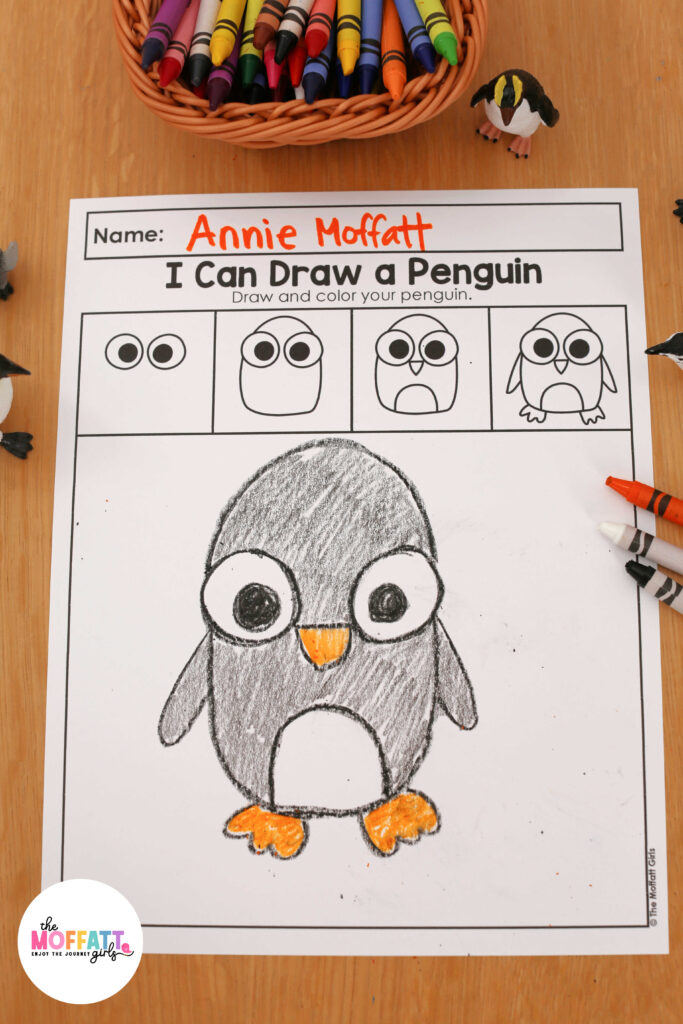
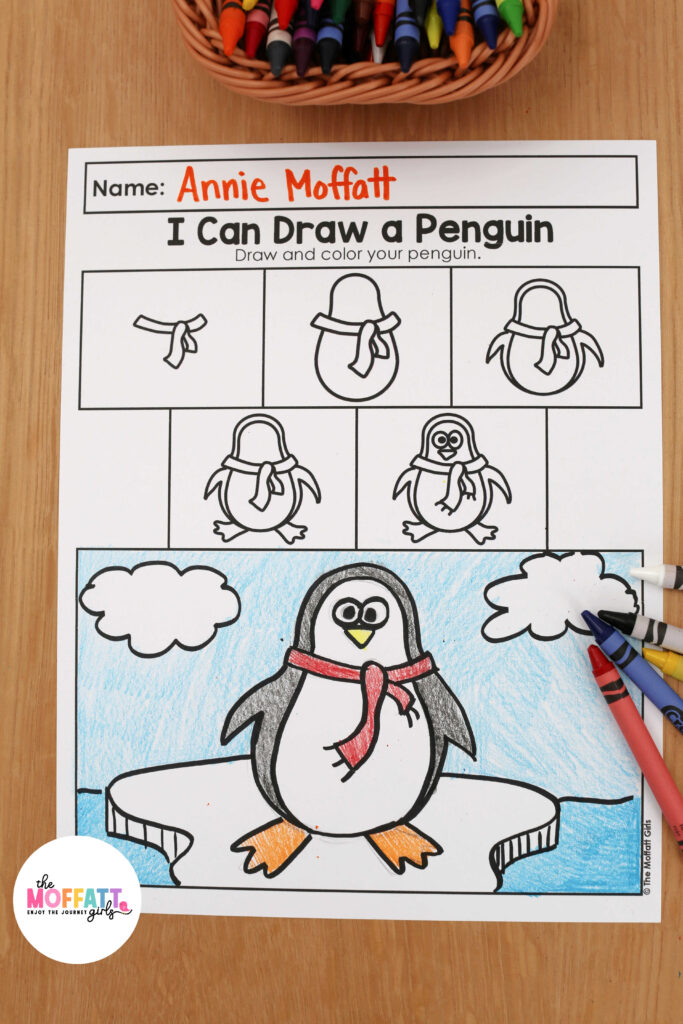
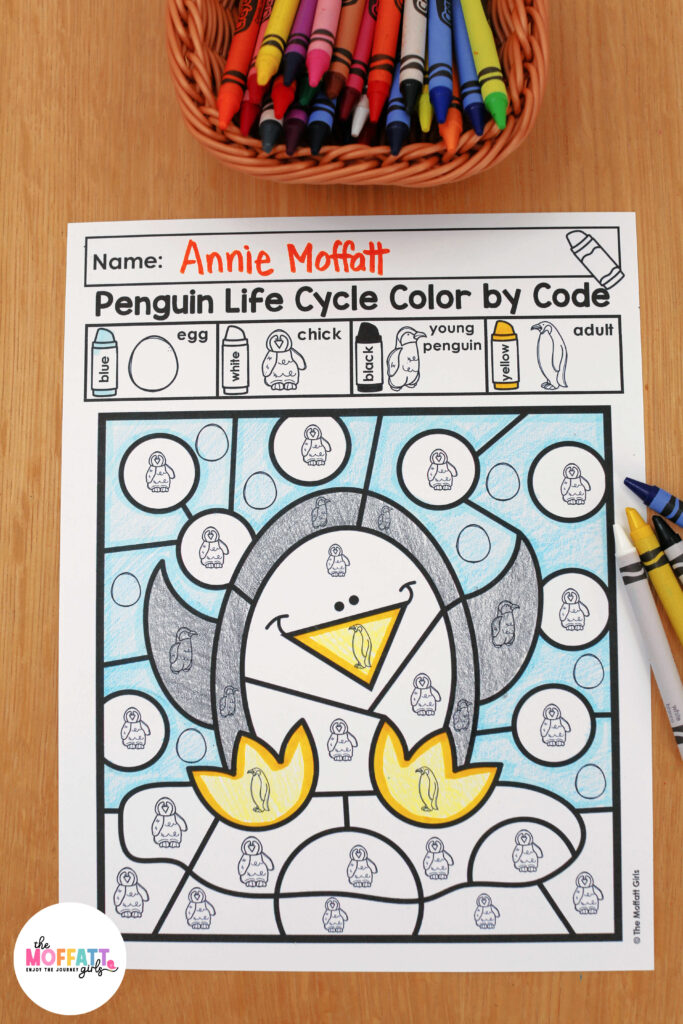
This resource brings together creativity and science. Writing prompts invite students to imagine being a penguin chick, describe life in the Antarctic, or explain how waterproof feathers help survival. Directed drawings guide learners to sketch penguins, strengthening observation and fine-motor skills. Color-by-code activities reinforce vocabulary and sequencing while offering a relaxing, artful way to review what they’ve learned.
Penguin Craft
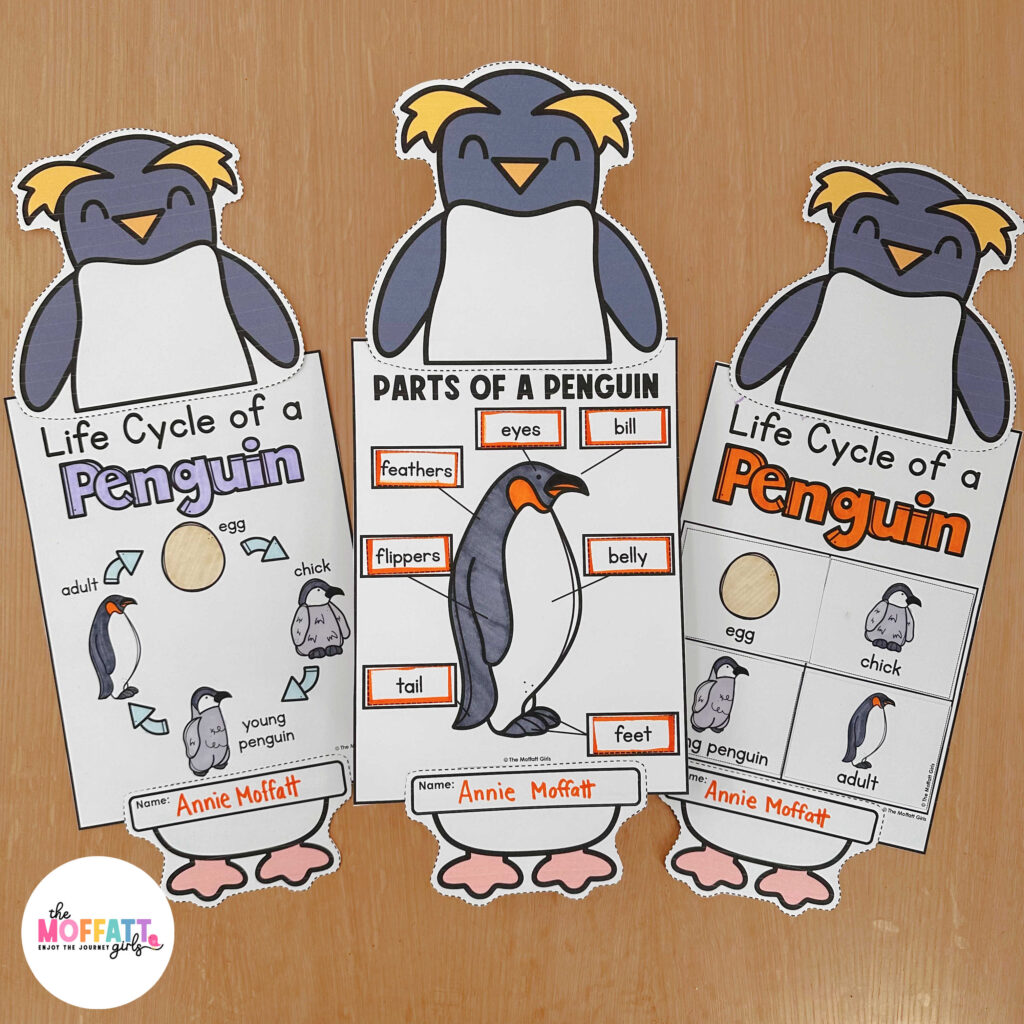
A hands-on penguin craft is included. Students can build display penguin, complete with labeled parts or even a life-cycle wheel. This craft helps solidify their understanding of penguin anatomy and growth stages, while giving them a fun, display-worthy project to be proud of.
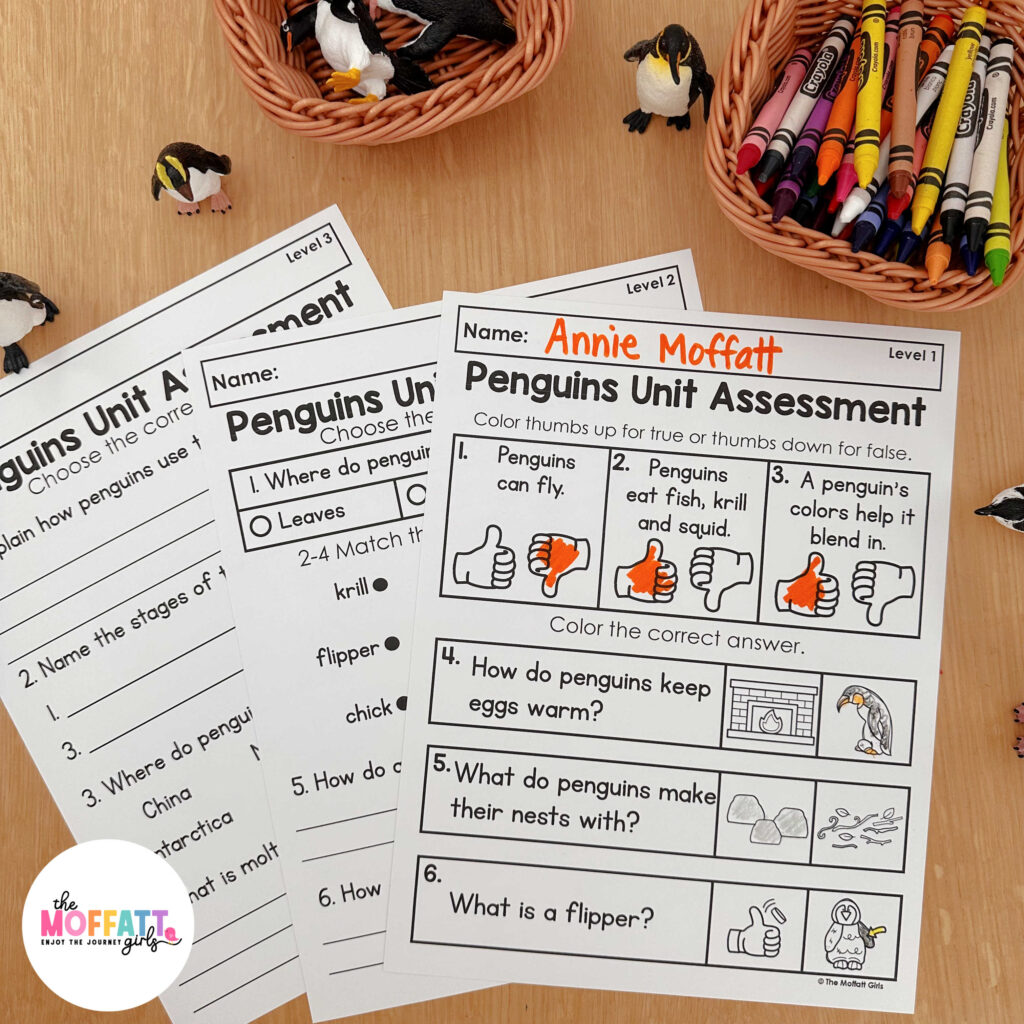
Leveled Unit Assessments
Assessment doesn’t have to be intimidating. The unit’s leveled assessments provide a way to check student comprehension of vocabulary, anatomy, life cycle, reading passages, and science facts, all aligned to the level of each learner. Teachers and parents get useful feedback to guide further instruction or support.
Ready to Explore Penguin Science?
The Penguin Science Unit is the perfect way to bring curiosity and excitement into your winter lessons. With engaging activities, and leveled materials for every learner, students will love exploring the world of penguins. Whether used in the classroom or at home, this resource makes penguin science meaningful, memorable, and fun for everyone.
Are you looking for more fun activities for winter? Check out the January No Prep Packets blog post: Click Here.
Share this:

Annie Moffatt
Annie Moffatt is a former elementary school teacher and homeschool mom with a passion for helping young learners thrive. With a background in early education and a heart for making learning fun, Annie designs engaging, low-prep resources that build confidence and success in the classroom. Her hands-on, kid-friendly approach has supported thousands of teachers and parents around the world in creating joyful learning experiences for their students.