
Frog Science
Share this:
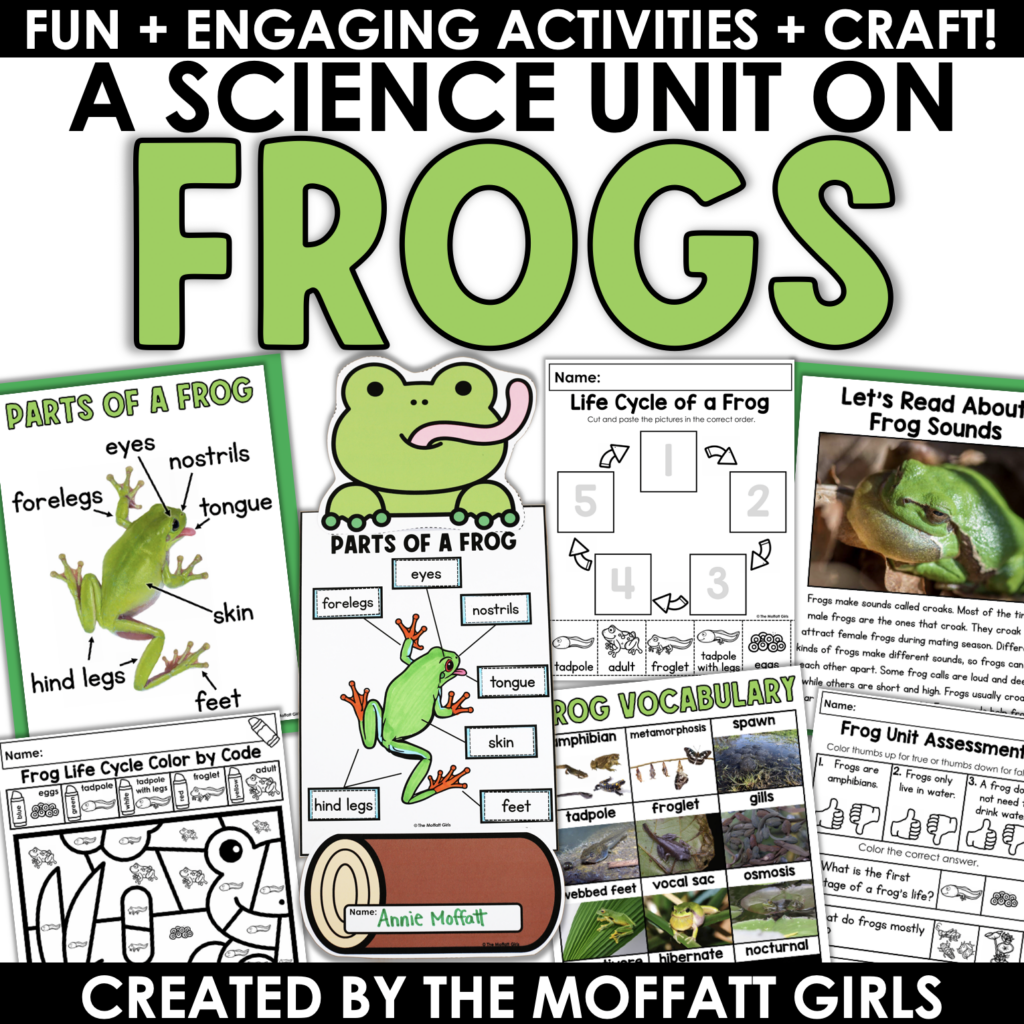
If you are looking for a science unit that brings learning to life, this frog science resource is a perfect fit. It helps students explore frogs from head to toe while building vocabulary, reading skills, and scientific thinking. The activities are hands on and easy to use in the classroom or at home. From learning about frog parts to exploring life cycles, this unit makes science both meaningful and fun.
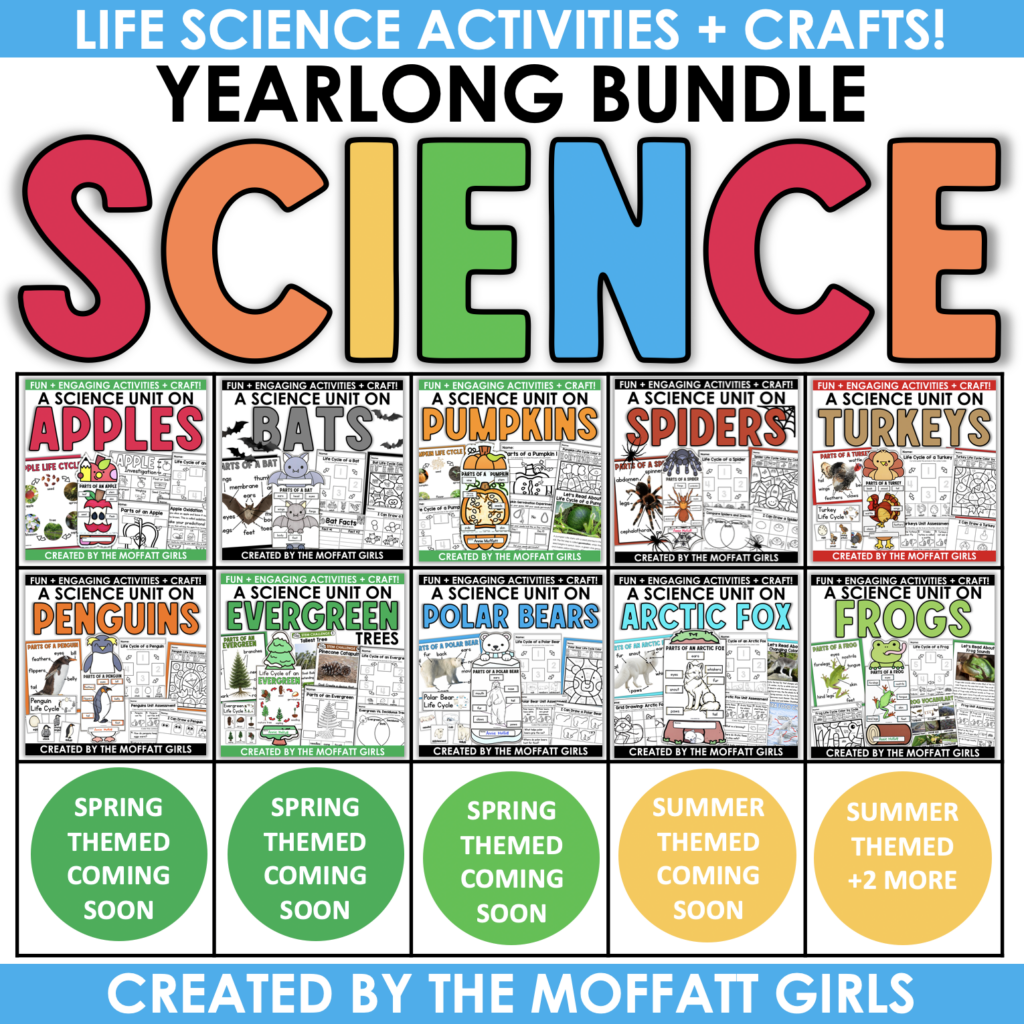
This Frog Science Unit is part of the Yearlong Science Bundle: Click Here.
What’s Inside the Frog Science Unit
Vocabulary
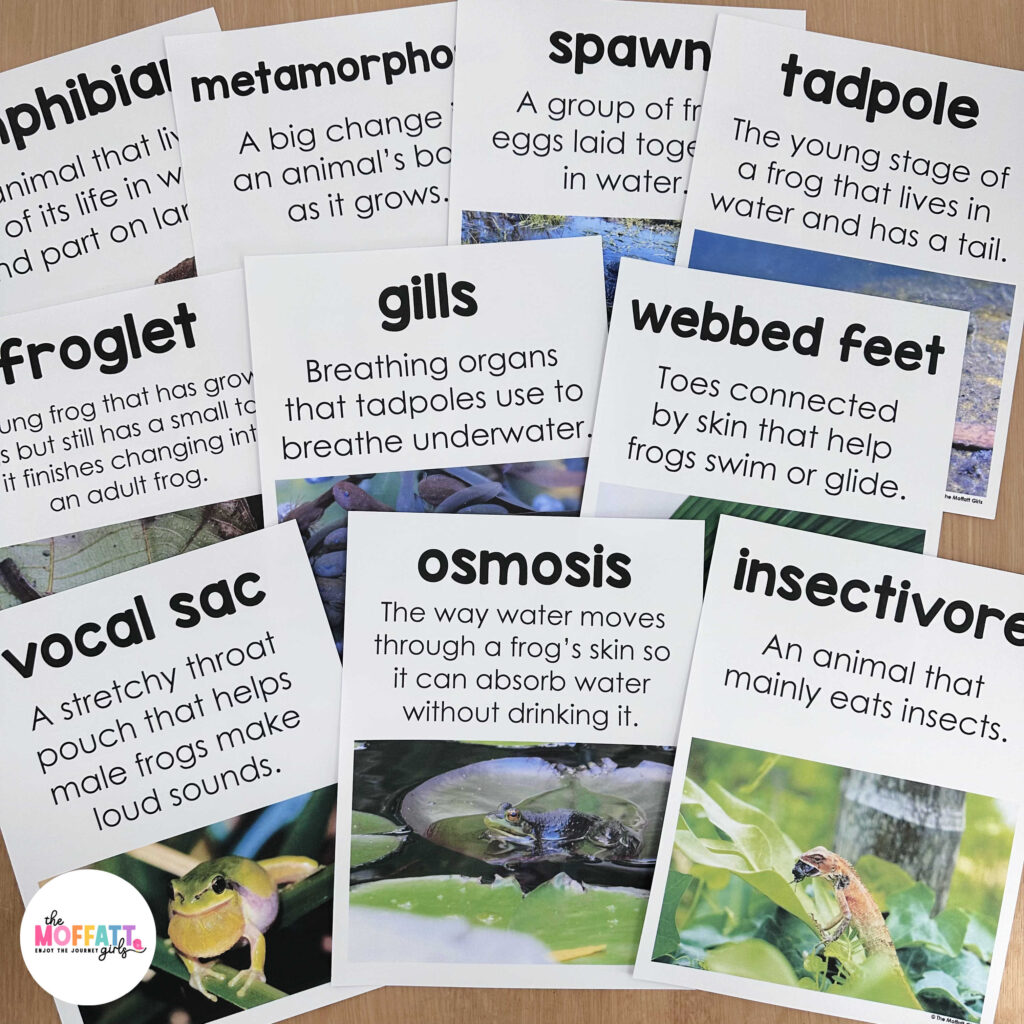
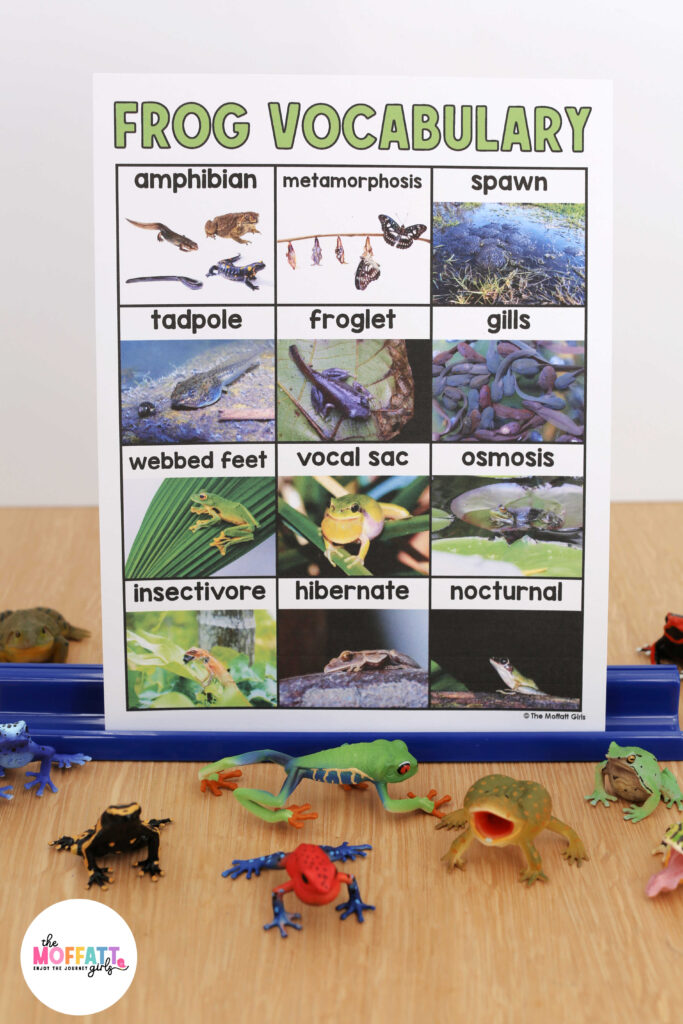
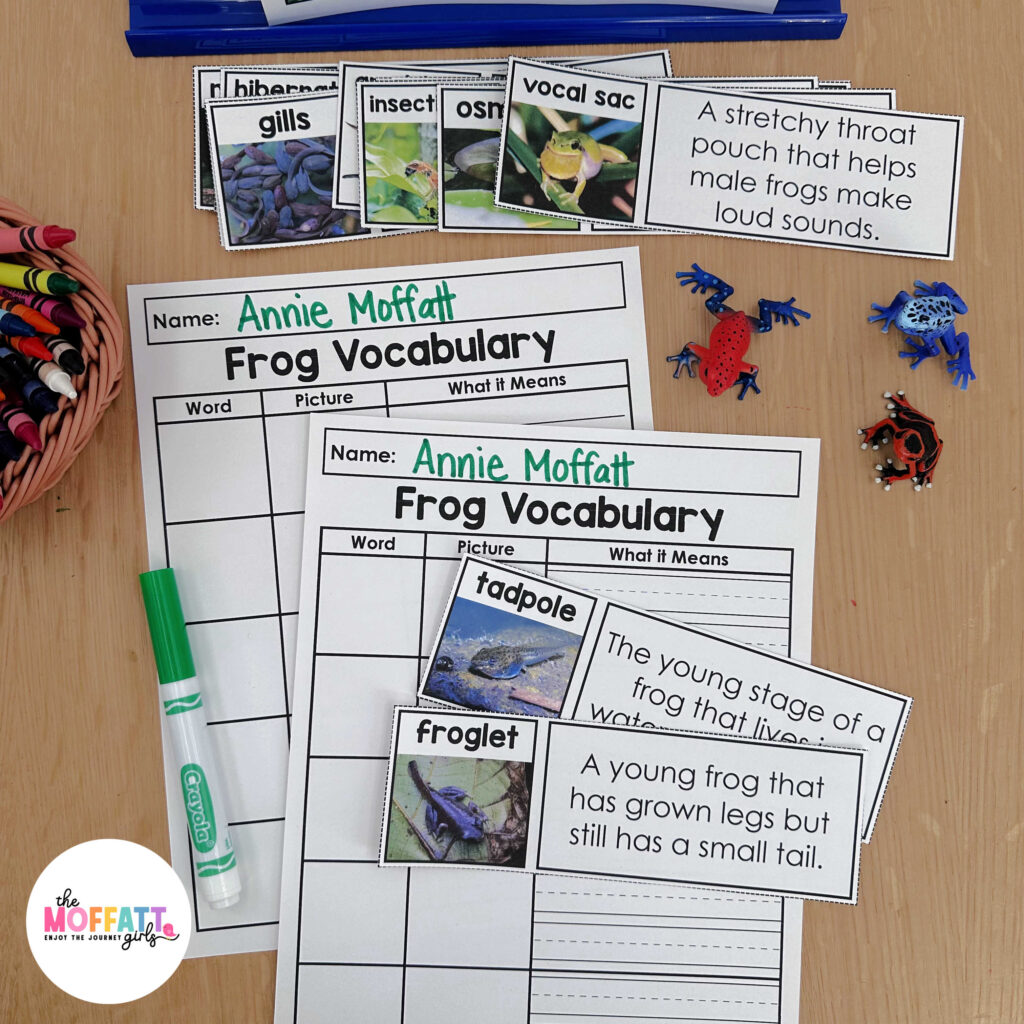
A strong foundation starts with the right vocabulary. This frog science unit introduces students to important terms such as amphibian, tadpole, metamorphosis, osmosis, insectivore, and nocturnal. Students practice these words through matching activities, labeling pages, and word cards. The vocabulary work supports reading and discussion as students explore other parts of the unit.
Parts of a Frog
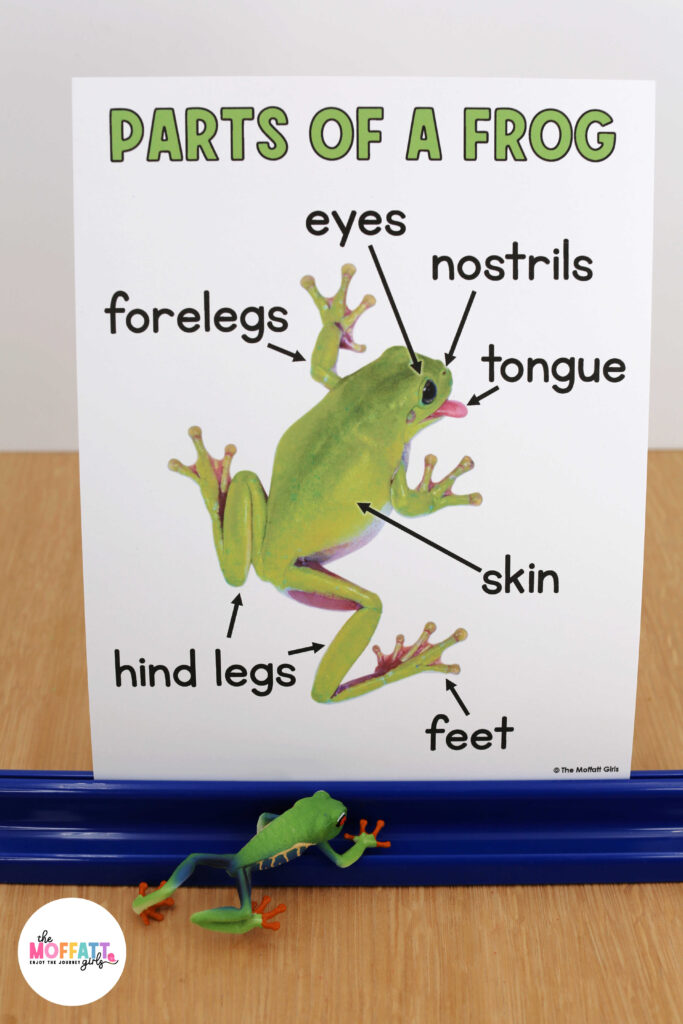
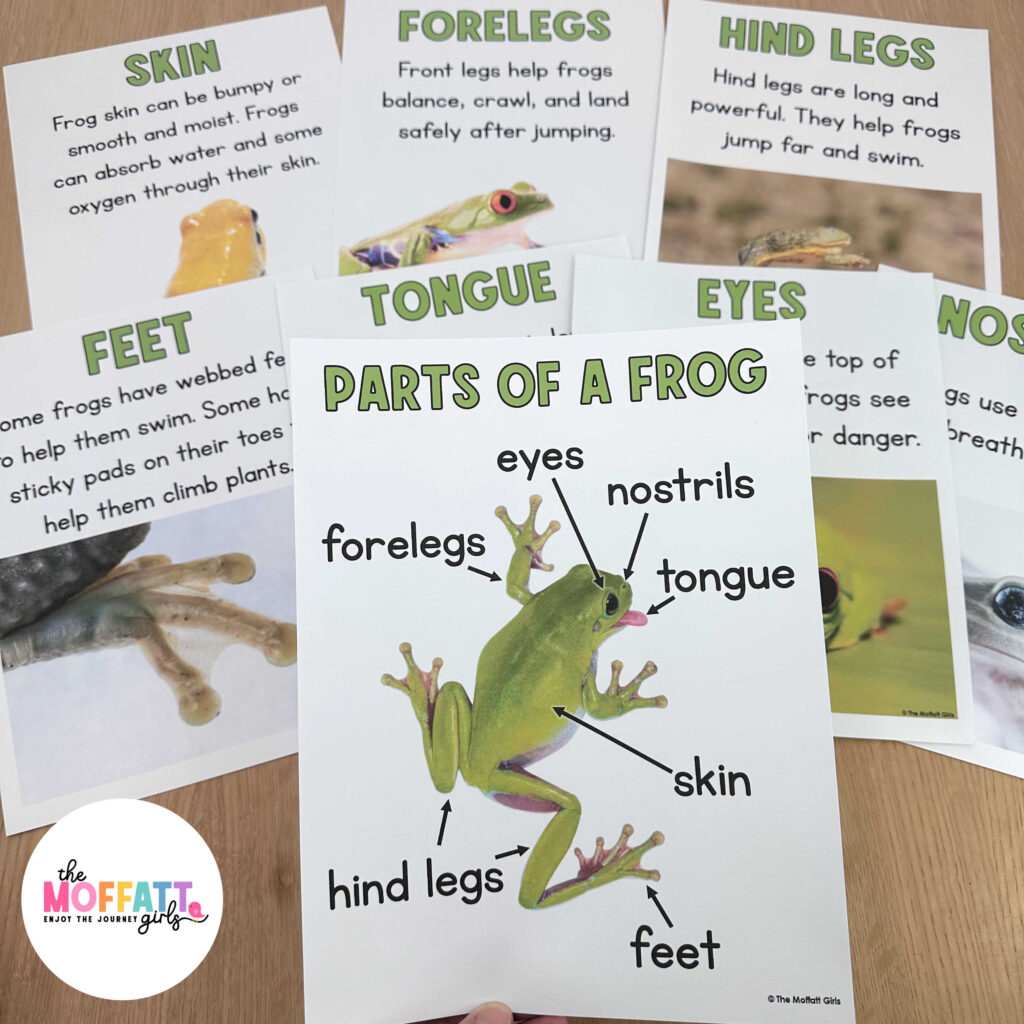
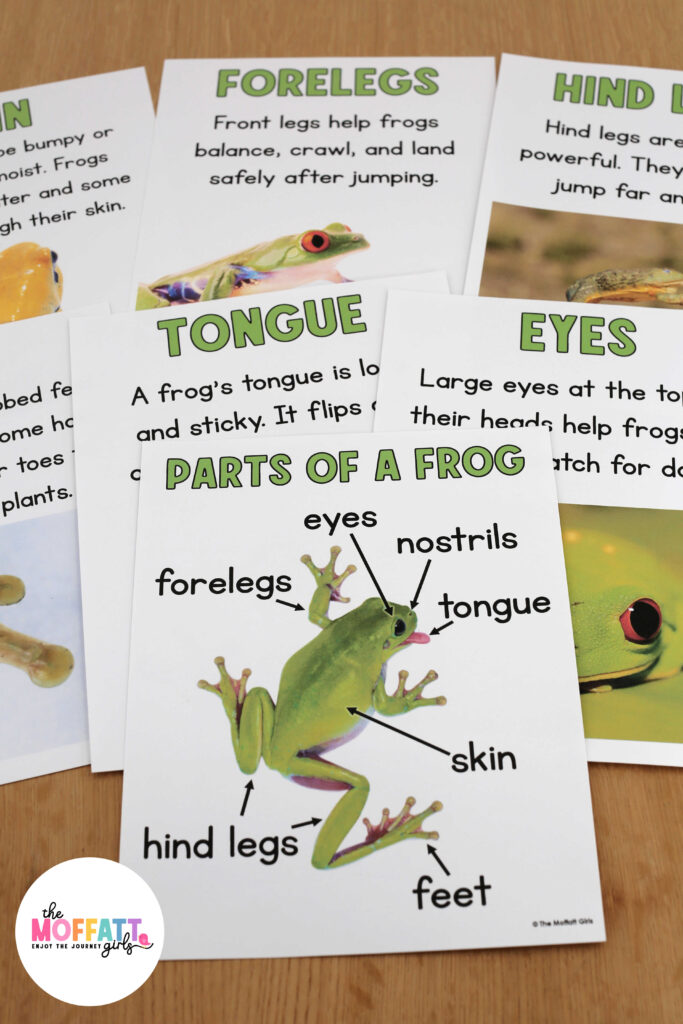
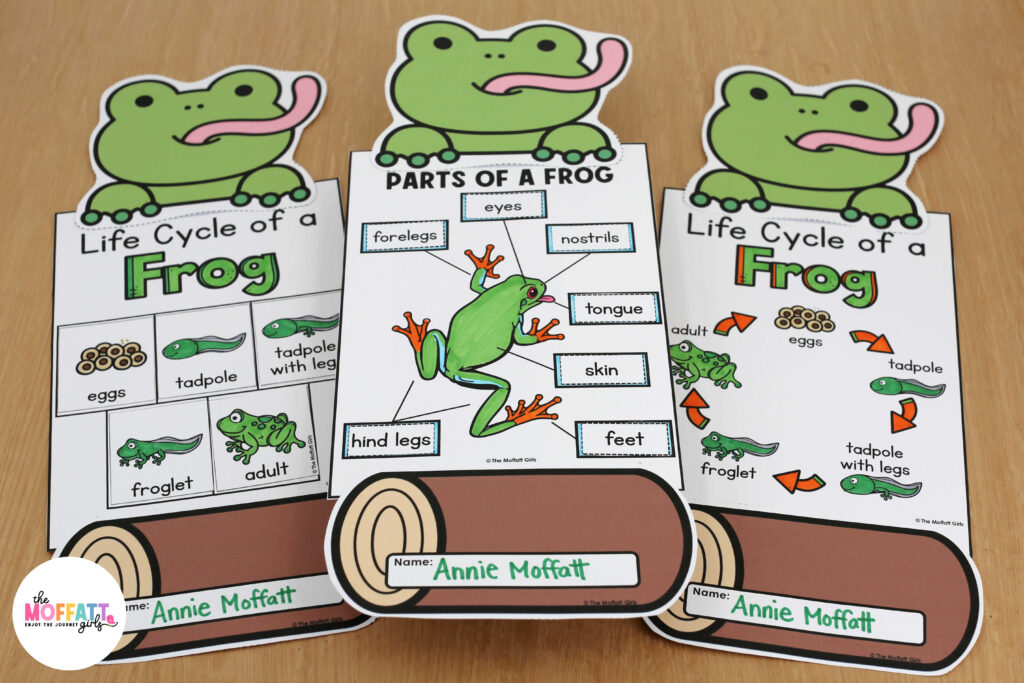
Students begin by examining the parts of a frog. Through diagrams and cut and paste pages, learners identify legs, eyes, skin, and more. Understanding these parts helps students see how frogs are built to jump, swim, and survive in their environments. These activities build observation skills and connect directly to other lessons in frog science.
Frog Life Cycle
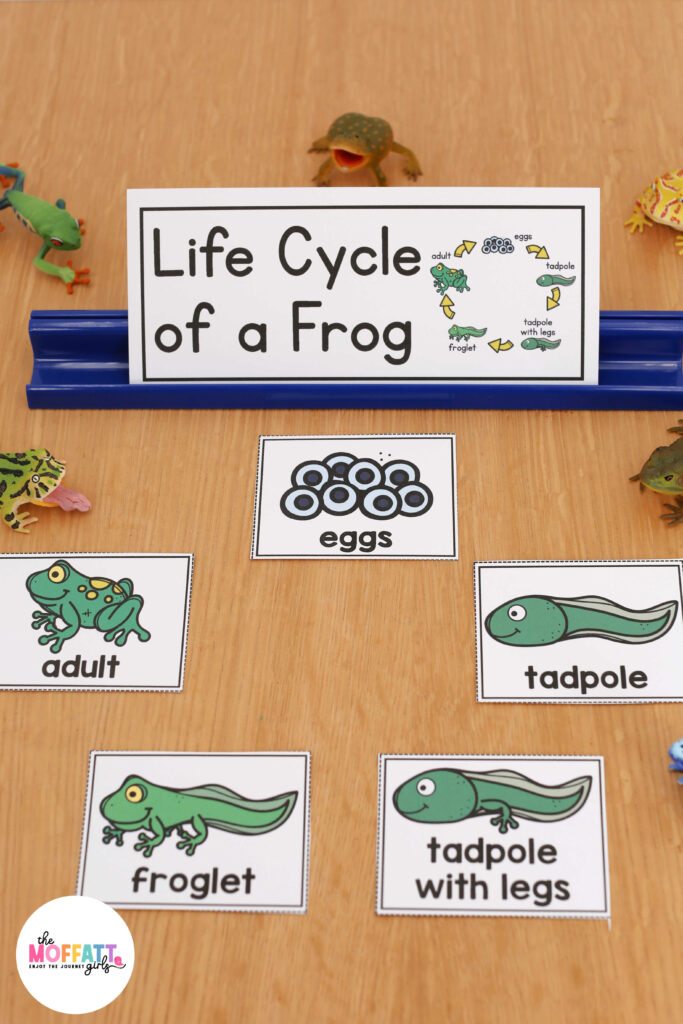
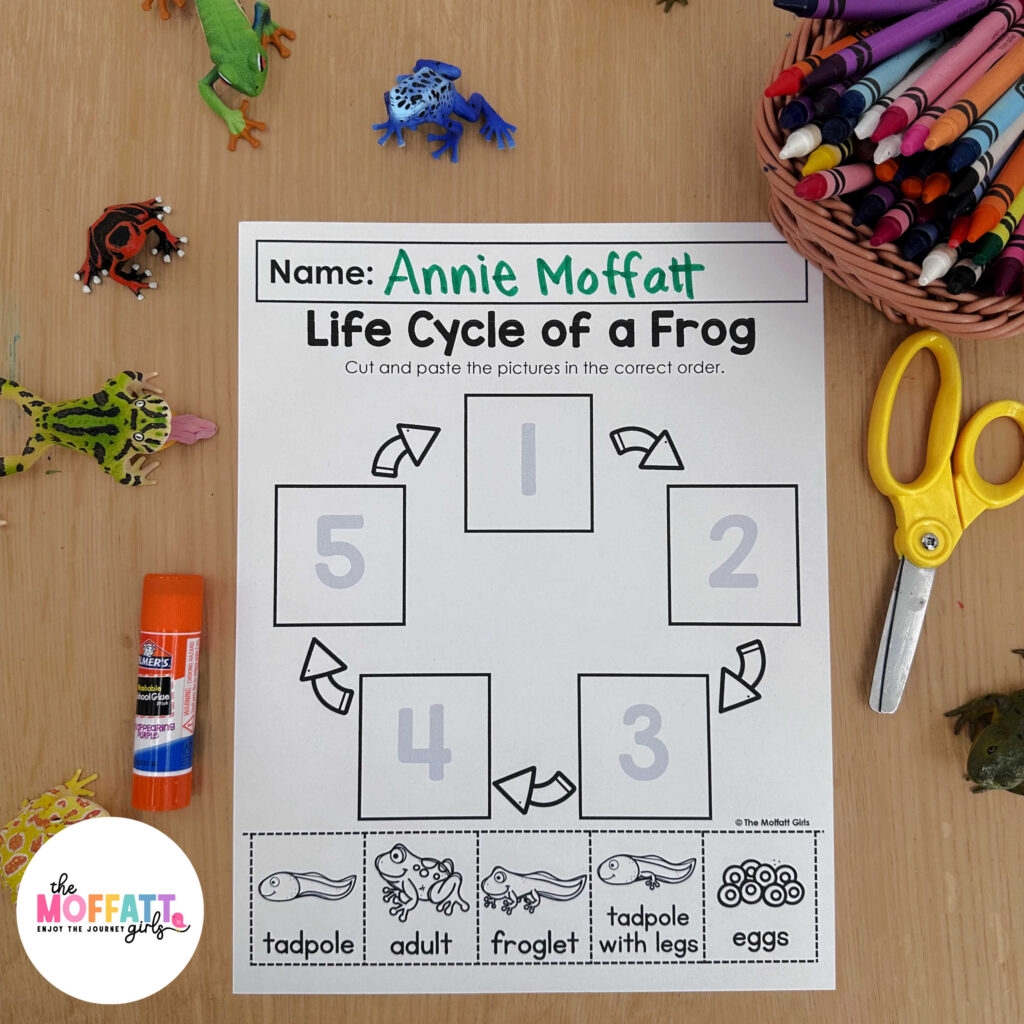
One of the most exciting parts of frog science is studying the life cycle. Students follow the stages from egg to tadpole to adult frog. Sequencing cards and mini books help students understand how frogs grow and change. This section makes it easy for students to see the pattern of life and helps them practice writing and sequencing skills.
Hands On Osmosis Experiment
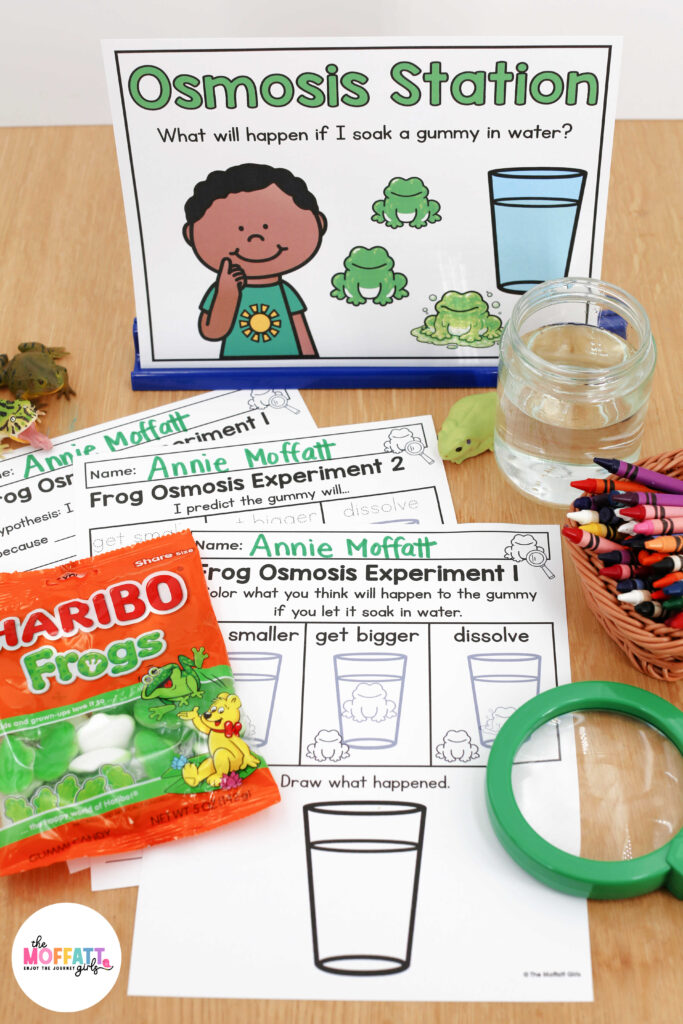
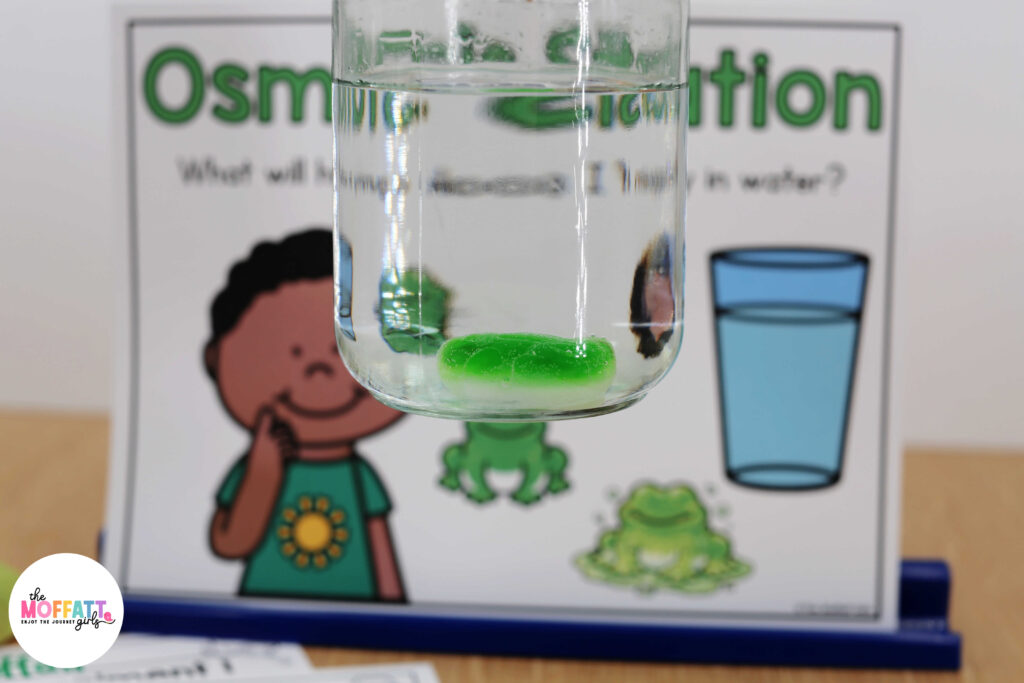
This unit includes a simple and engaging osmosis experiment to enrich frog science learning. Students place a small gummy frog or gummy bear in water and observe what happens over time. They make predictions, record observations, and discuss results. This experiment helps students understand how frogs can get water without having to drink it.
Frog and Toad Jumping Origami Craft Experiment
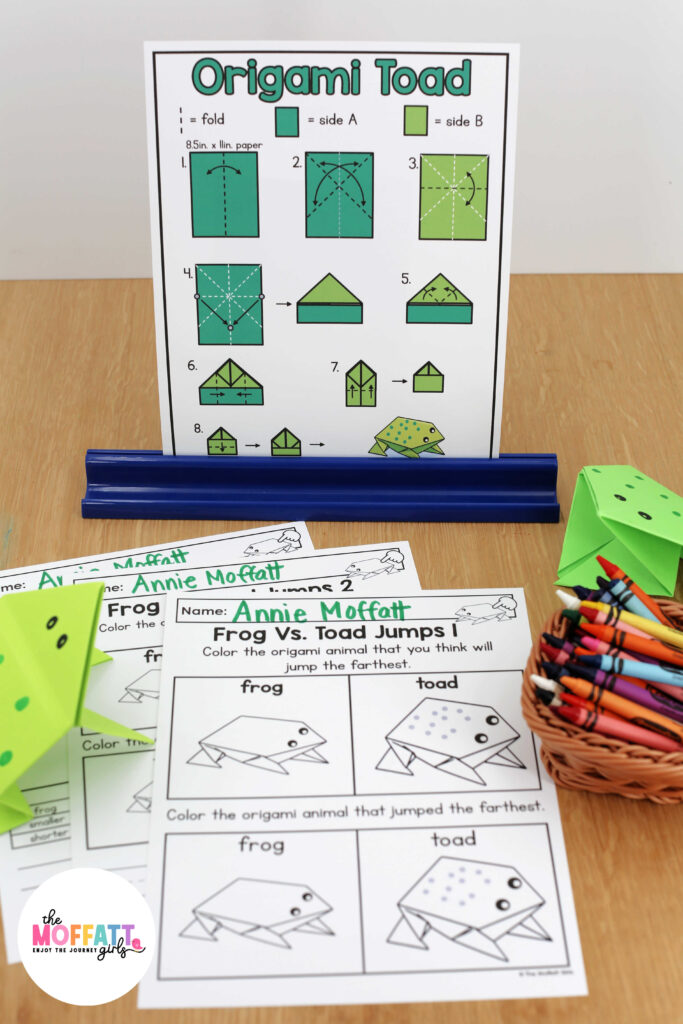
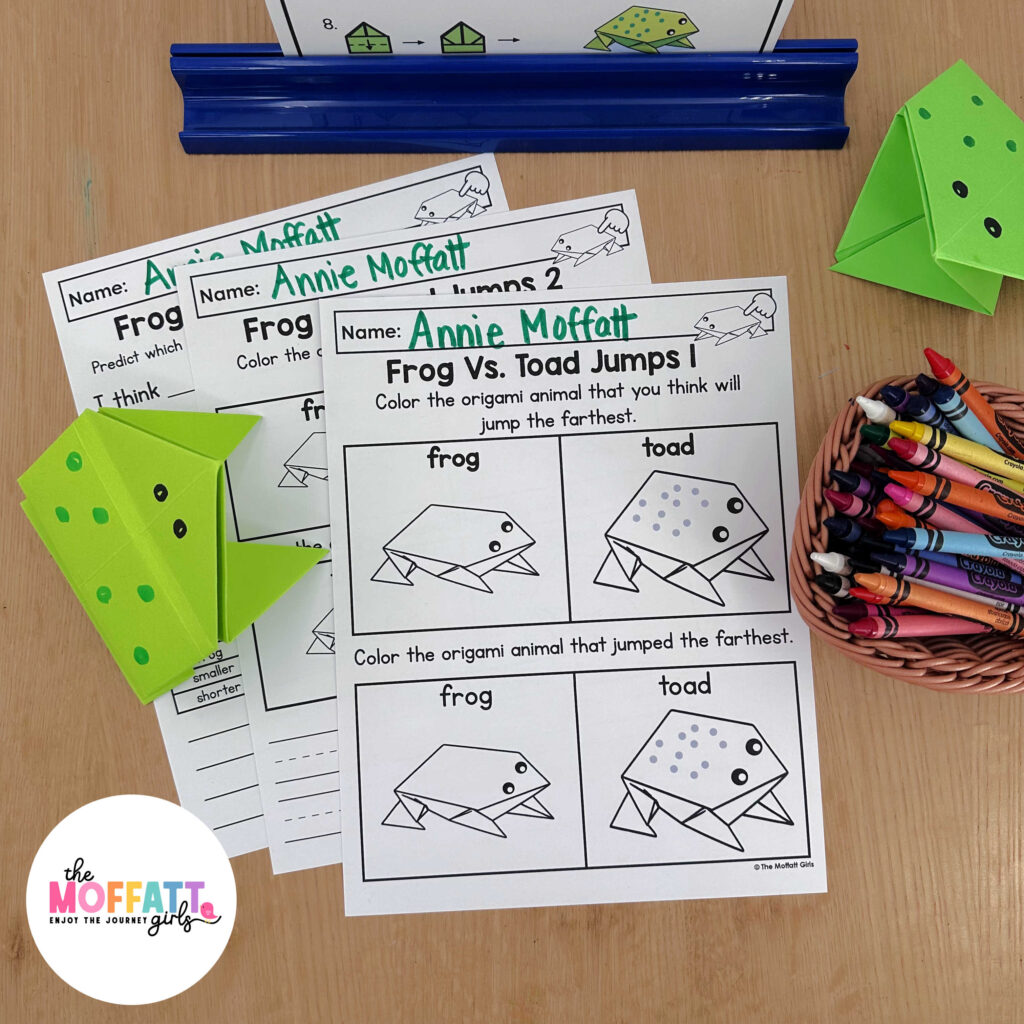
To connect science with creativity and movement, this unit includes a frog and toad jumping origami craft experiment. Students fold and assemble a paper frog and a paper toad and then test how far each can jump. They measure the distance jumped and compare results. This activity connects art, measurement, and simple physics concepts while reinforcing frog science in a playful way.
Reading Comprehension for Frog Science
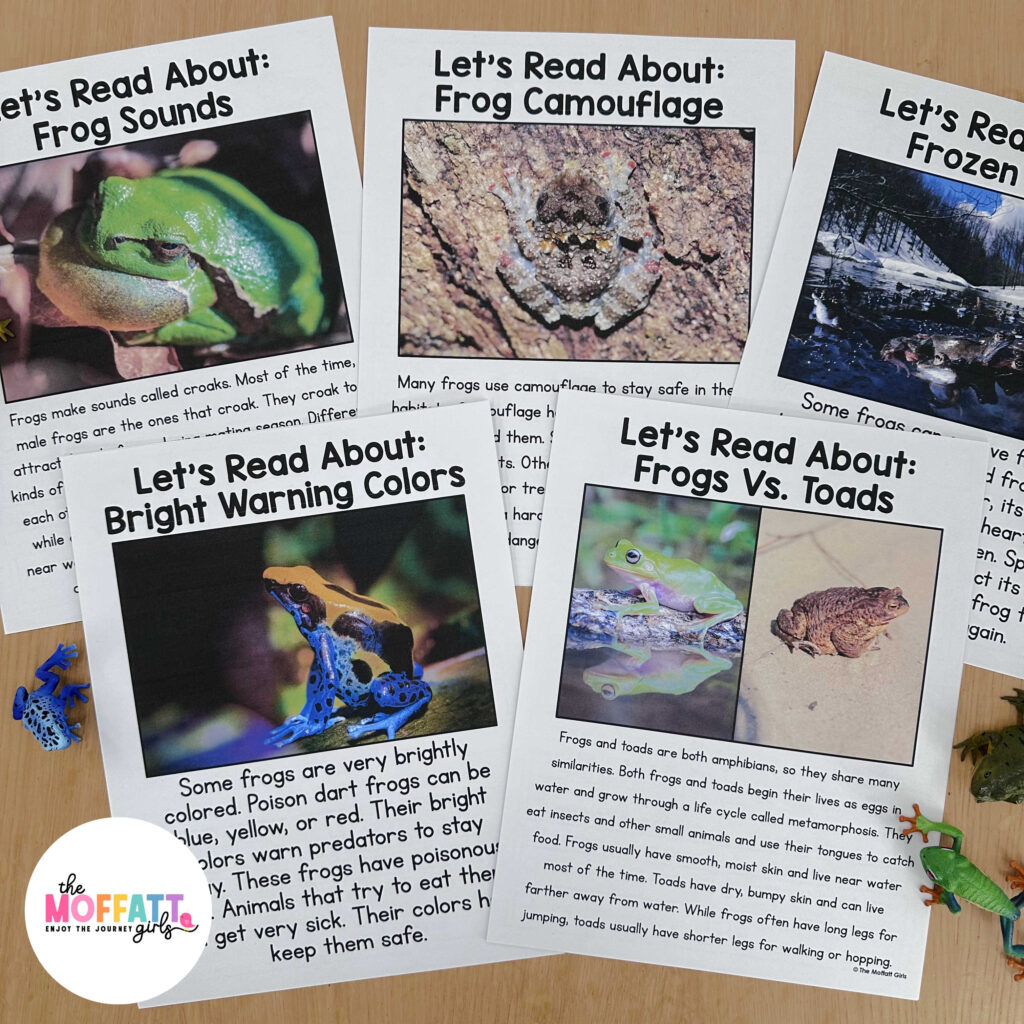
The unit includes nonfiction reading passages that dive deeper into frog science topics such as habitats, behaviors, and the life cycle. Students read short passages and answer comprehension questions. These pages build reading skills while helping students understand real science content.
Writing, Drawing, and Review Activities
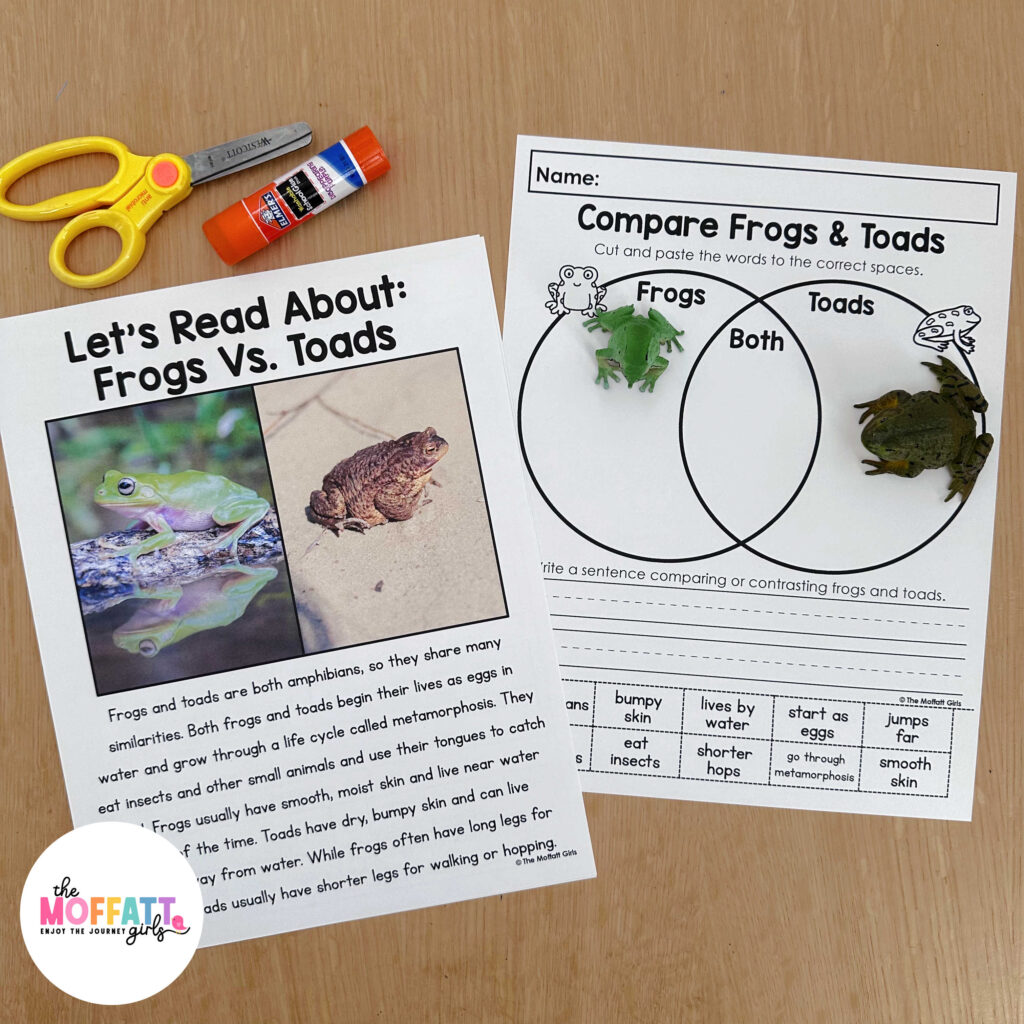
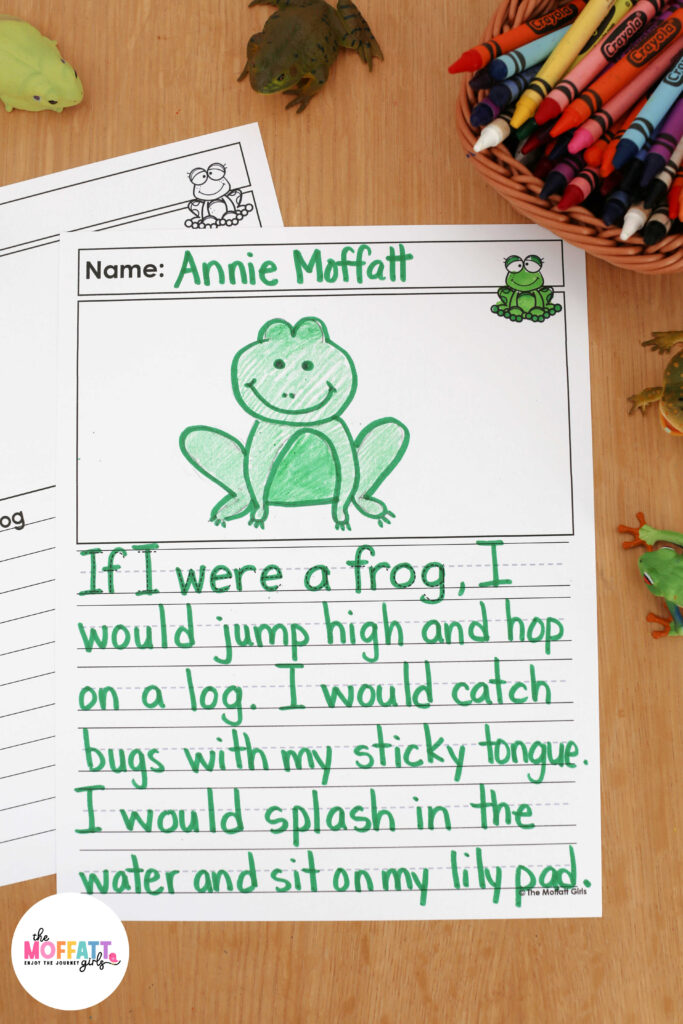
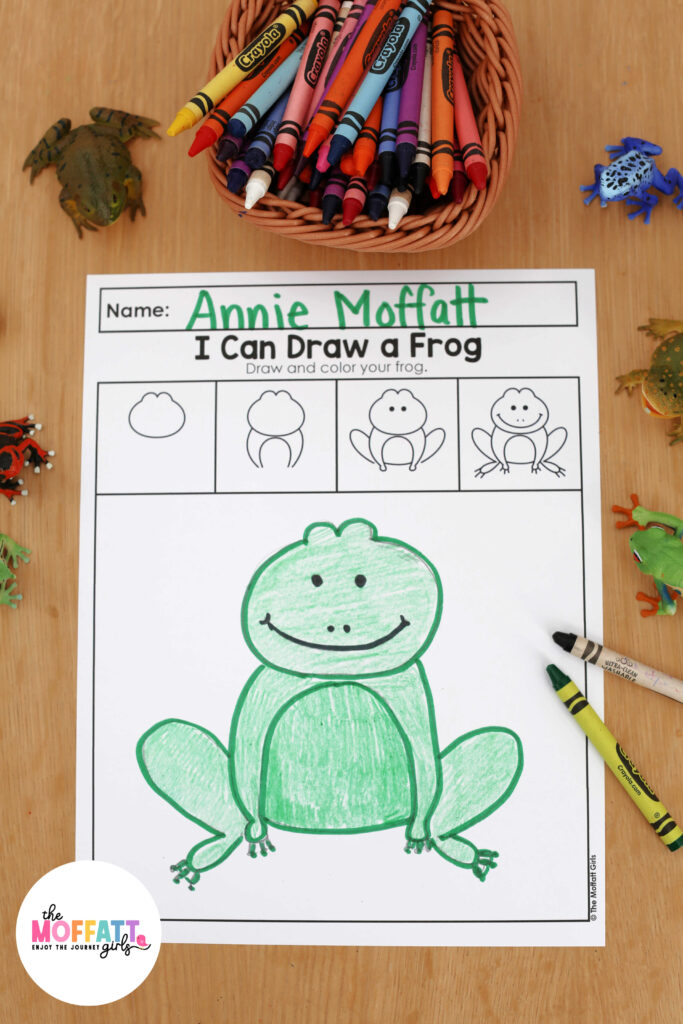
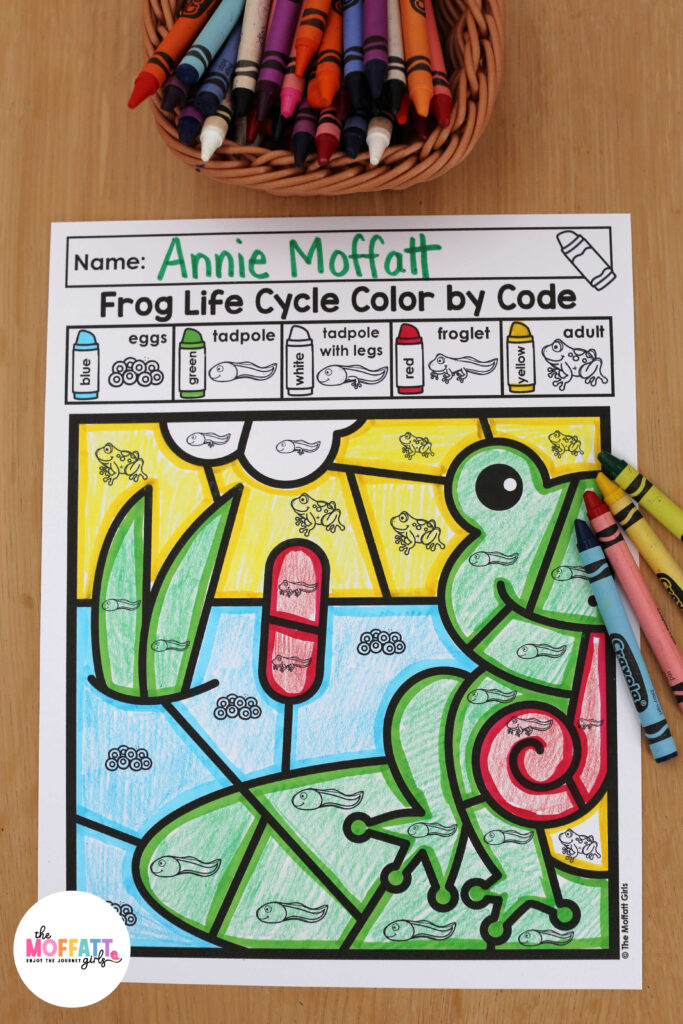
To extend learning, this frog science resource features writing prompts, directed drawings, and color by code activities. Writing prompts encourage students to explain what they have learned or imagine life as a frog. Directed drawings guide students step by step to sketch frogs and their habitats. Color by code activities provide a fun way to review vocabulary and science concepts.
Hands-On Frog Craft
The frog craft allows students to apply what they have learned about frog parts and the life cycle. As they create, they revisit key concepts and reinforce understanding through art. This project also makes a great classroom display or science notebook page.
Checking for Understanding
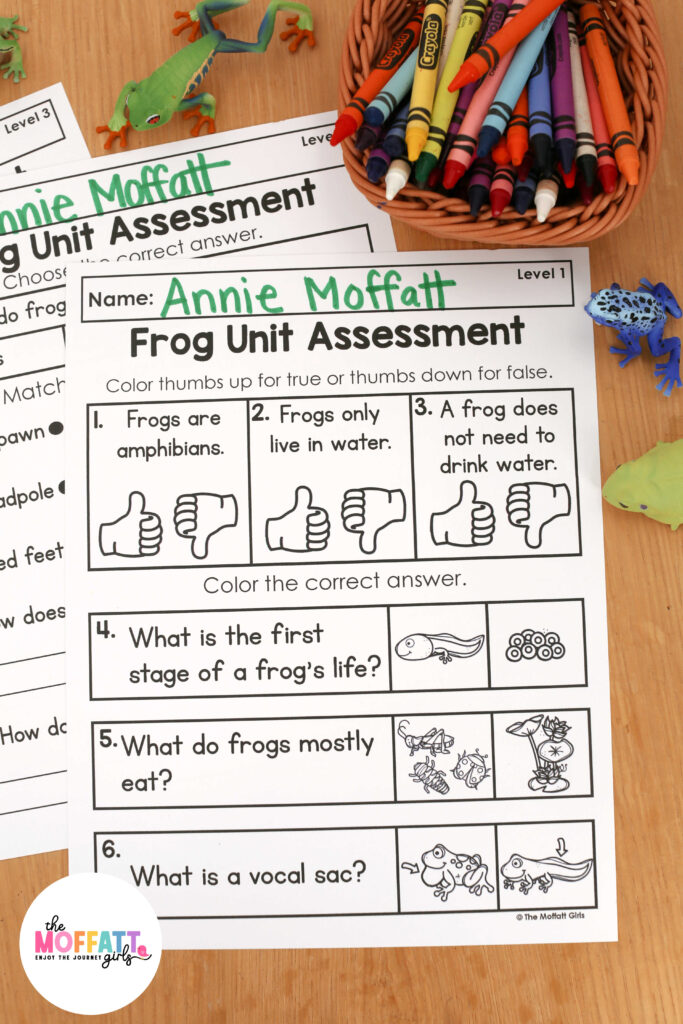
Leveled unit assessments make it easy to see how much students have learned. These assessments cover vocabulary, life cycle sequencing, reading comprehension, and science concepts. Teachers and parents can use them to guide future instruction or support individual learners.
Looking for fun for the month of March? Click Here to see the March No Prep Packets in action.
Share this:

Annie Moffatt
Annie Moffatt is a former elementary school teacher and homeschool mom with a passion for helping young learners thrive. With a background in early education and a heart for making learning fun, Annie designs engaging, low-prep resources that build confidence and success in the classroom. Her hands-on, kid-friendly approach has supported thousands of teachers and parents around the world in creating joyful learning experiences for their students.