




Butterfly Science Unit
Share this:
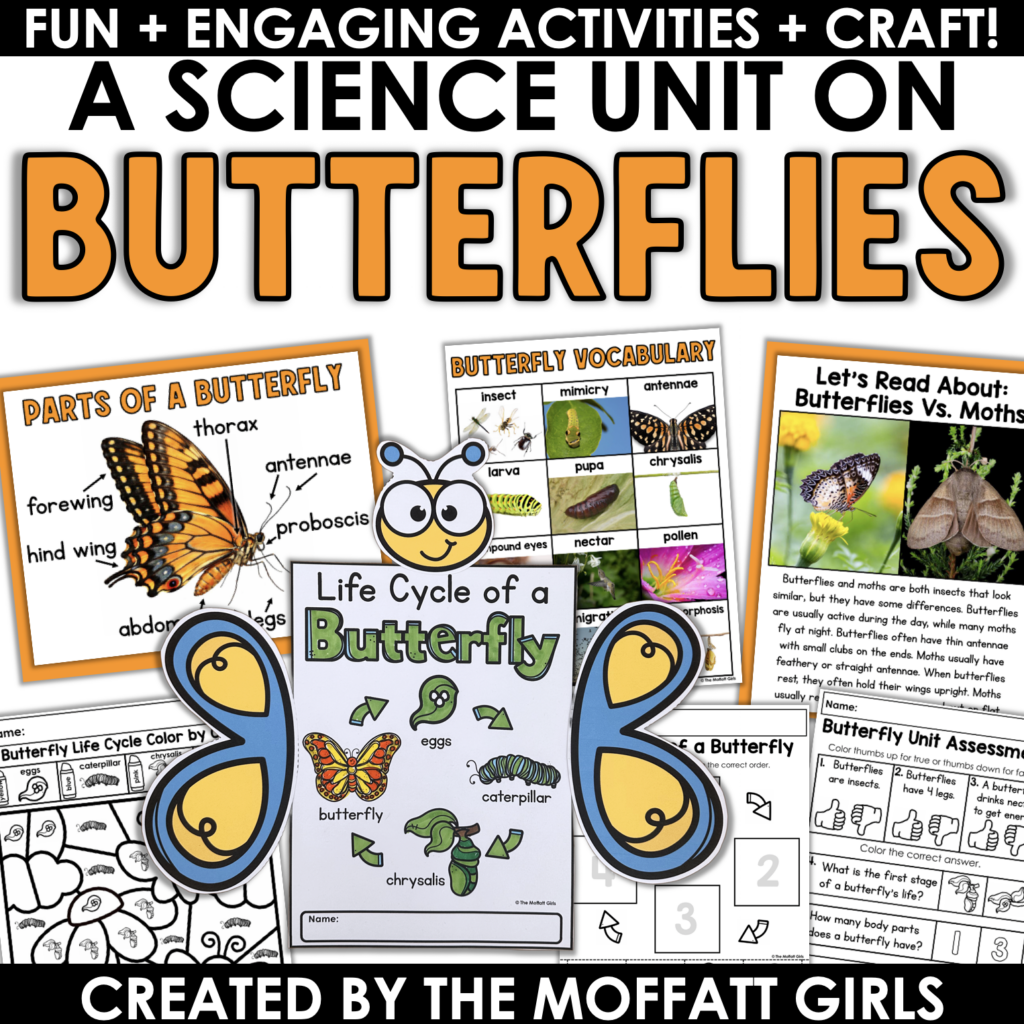
Butterflies are one of the most exciting animals for students to study. This butterfly science unit helps bring that excitement into your classroom or home. It combines science, reading, writing, and hands on learning in a simple and engaging way. Students build knowledge while exploring the life cycle, parts, and behaviors of butterflies.
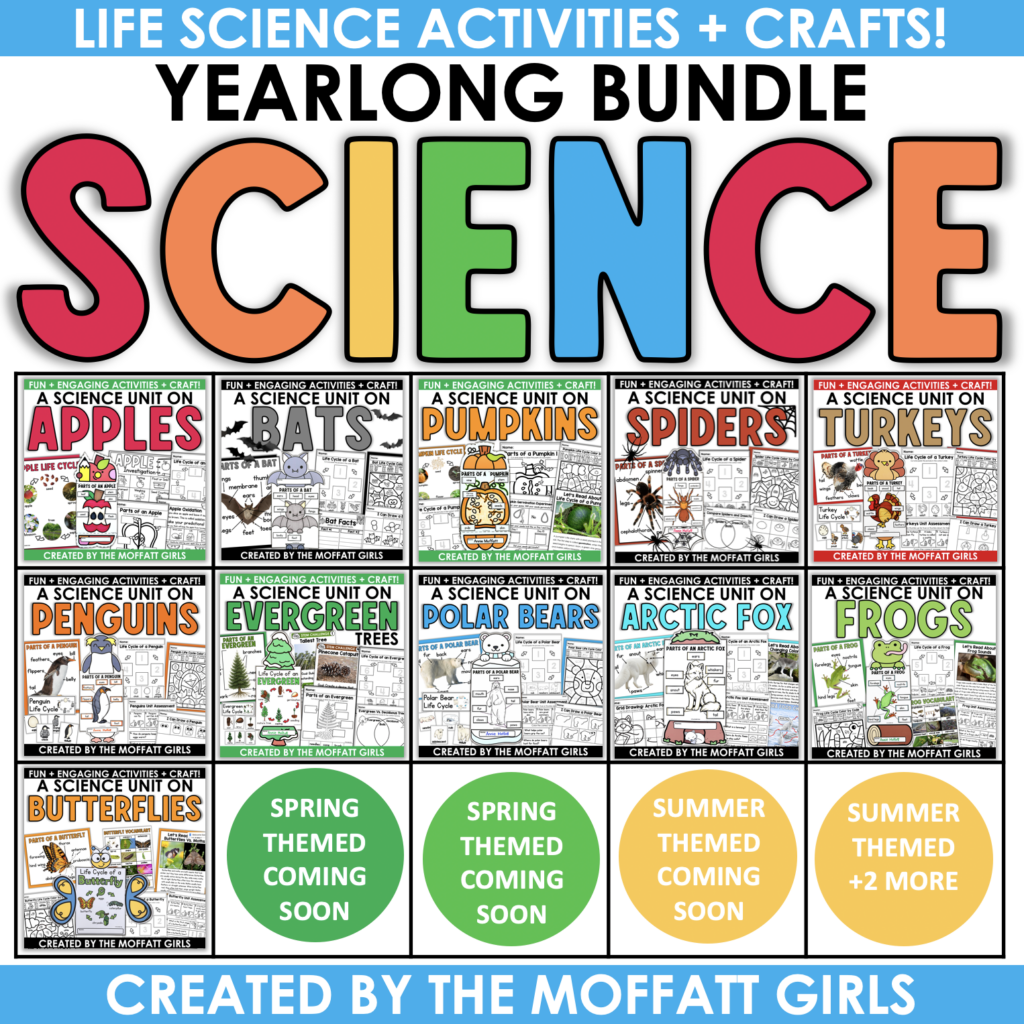
This Butterfly Science Unit is part of the Yearlong Science Bundle: Click Here.
What’s Inside the Butterfly Science Unit
Building Strong Vocabulary
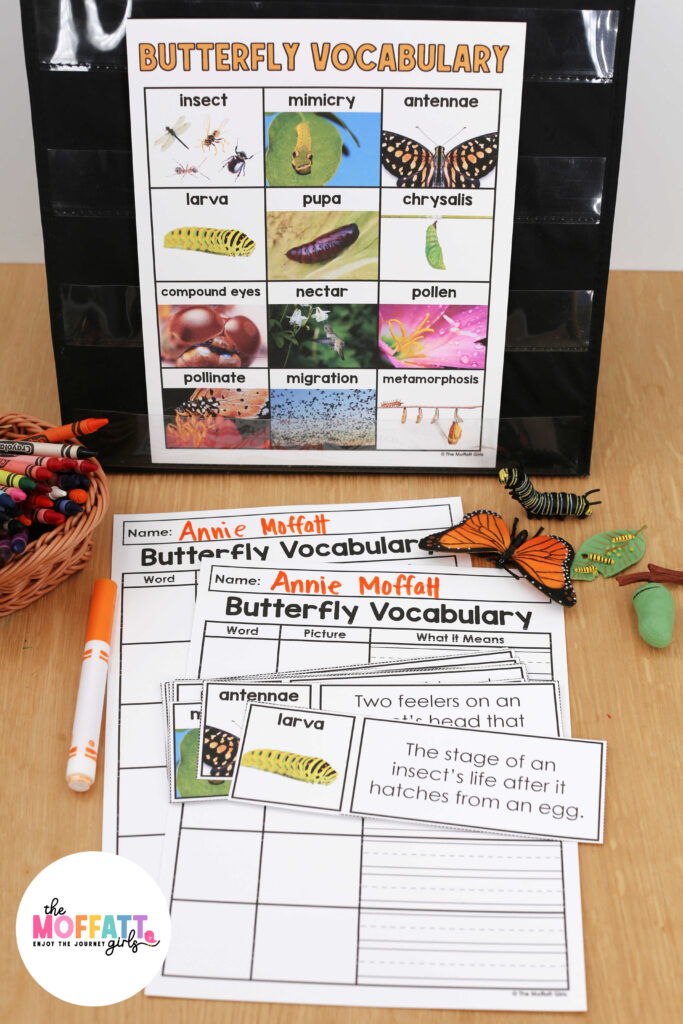
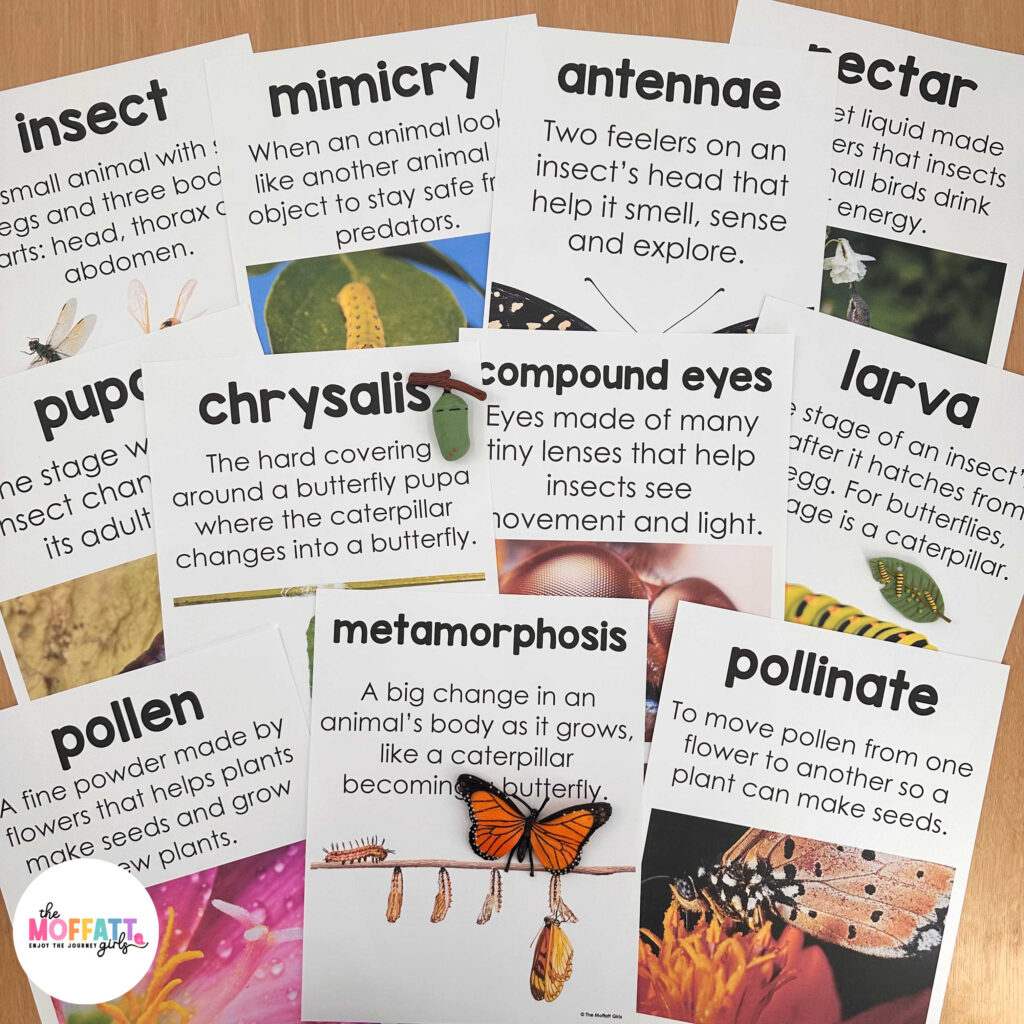
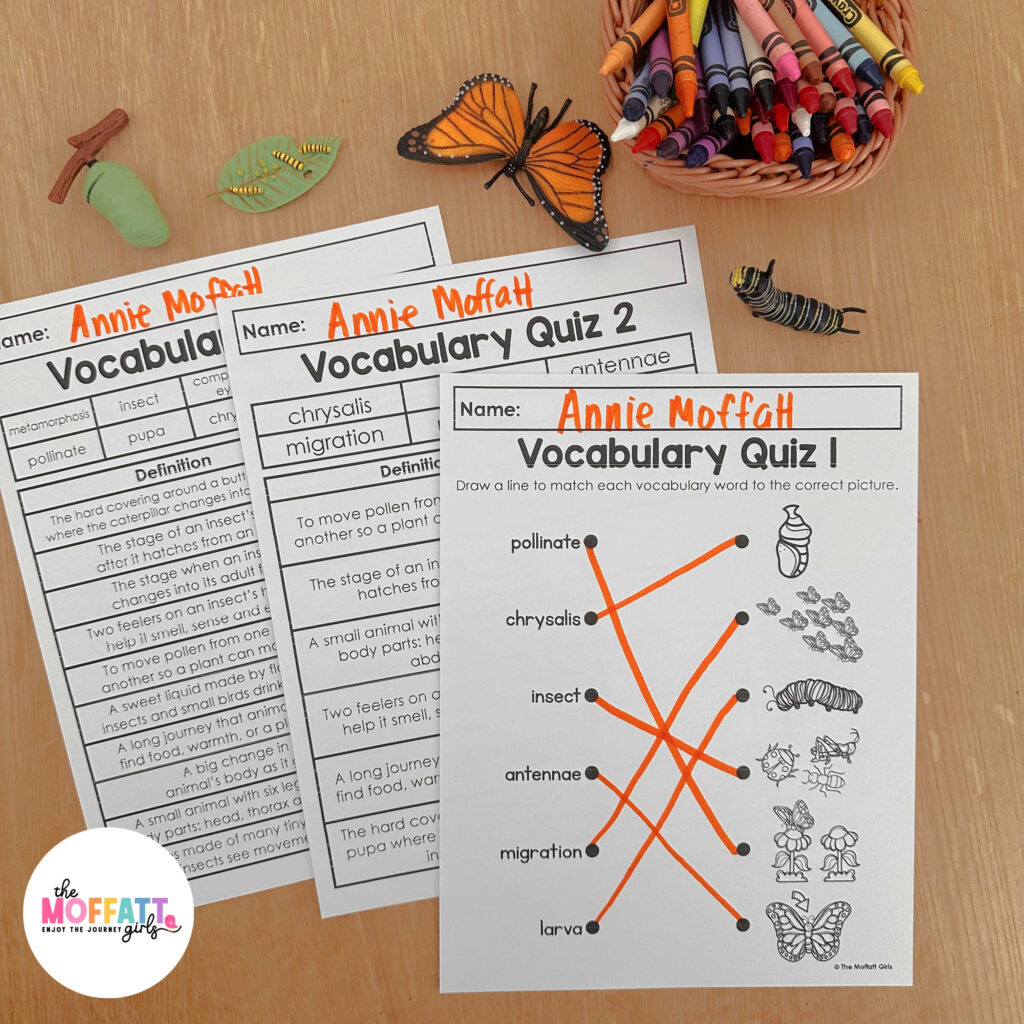
This butterfly science unit begins with clear and simple vocabulary practice. Students learn important words such as habitat, nectar, caterpillar, chrysalis, and metamorphosis. Vocabulary cards, matching activities, and labeling pages help students understand and use these words with confidence.
Learn the Parts of a Butterfly
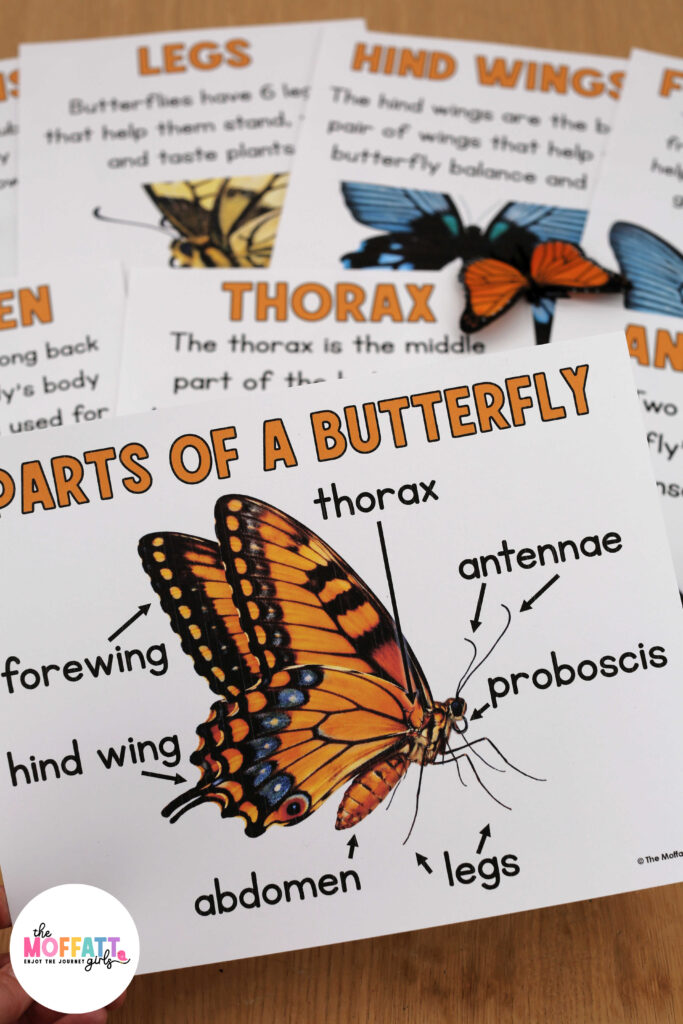
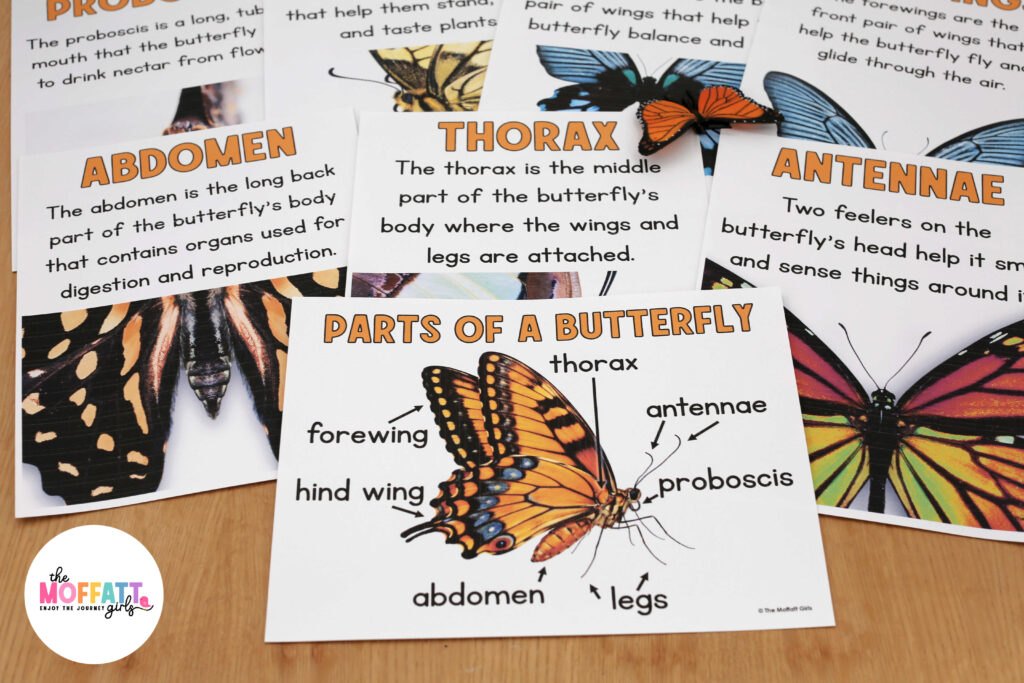
Students explore the parts of a butterfly through diagrams and hands on activities. They identify wings, antennae, body, and proboscis. These activities help students understand how each part helps a butterfly survive. This foundation supports deeper butterfly science learning.
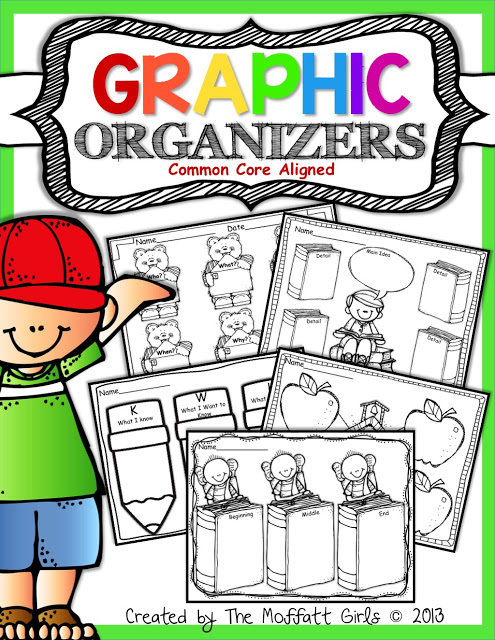
Can, Have, Are and KWL Chart
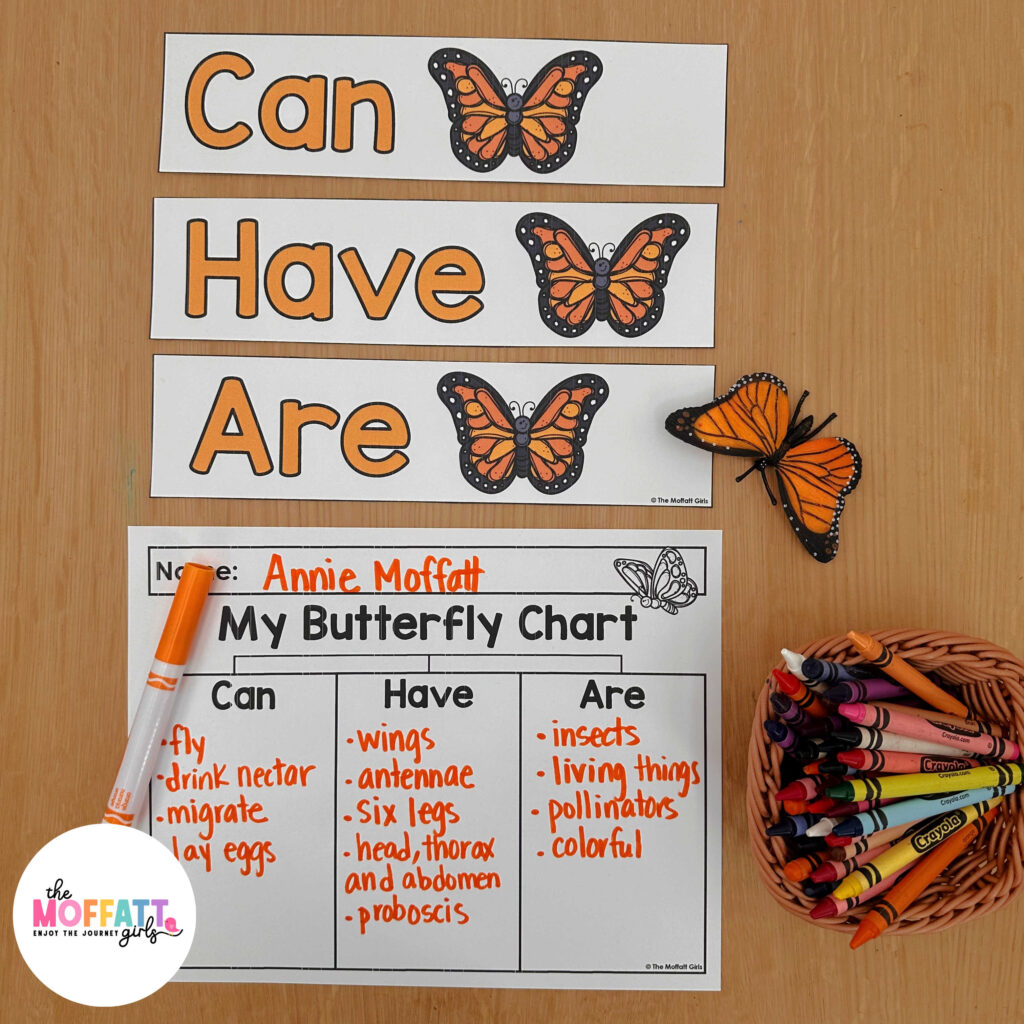
This butterfly science unit also includes a Can, Have, Are chart to help students organize their thinking. Students sort facts about what a butterfly can do, what it can have, and what describes a butterfly. For example, they may list that a butterfly can fly, has wings, and is colorful. This simple activity helps students build sentence structure, strengthen vocabulary, and better understand butterfly traits in a clear and meaningful way.
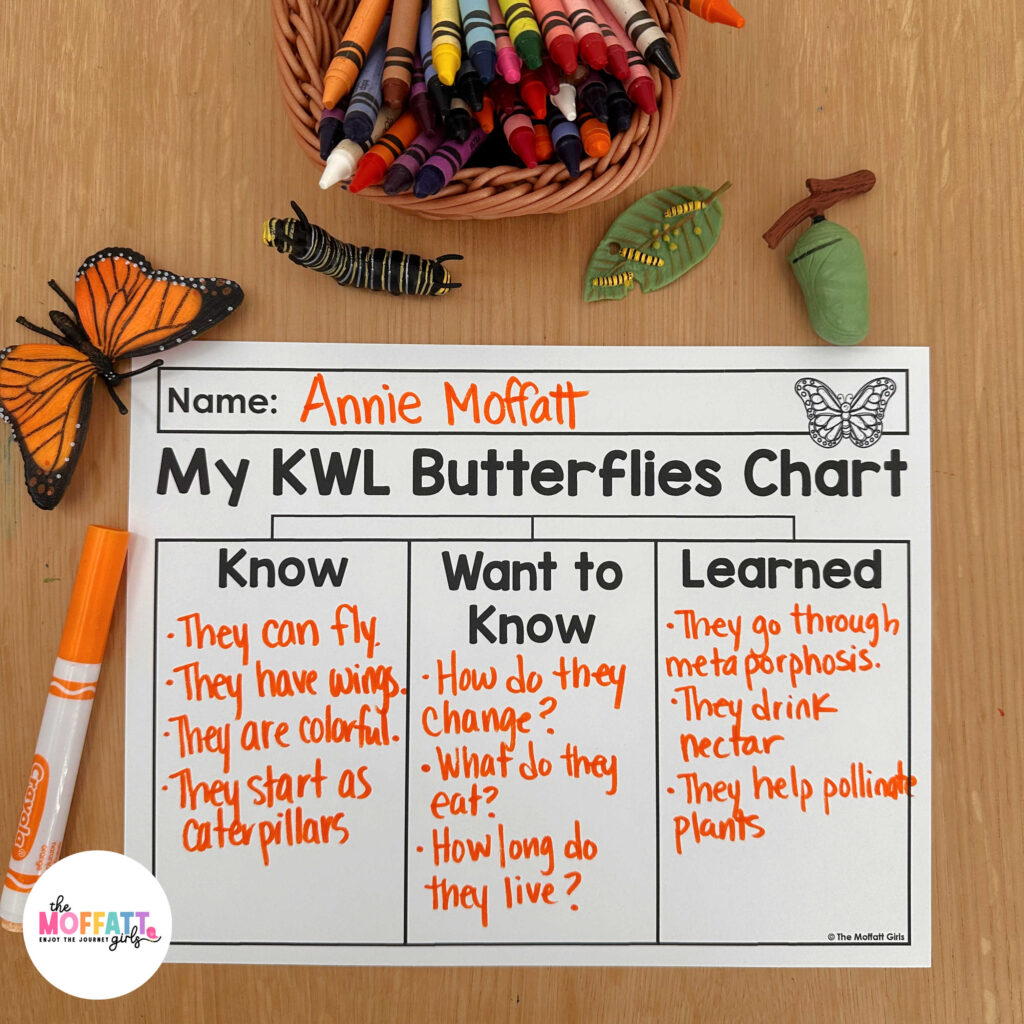
The KWL Chart allows students to reflect on what they already know about butterflies, what they want to know and what they have learned. This sections in this chart should be completed before they have started and after they have finished the unit.
Understanding the Butterfly Life Cycle
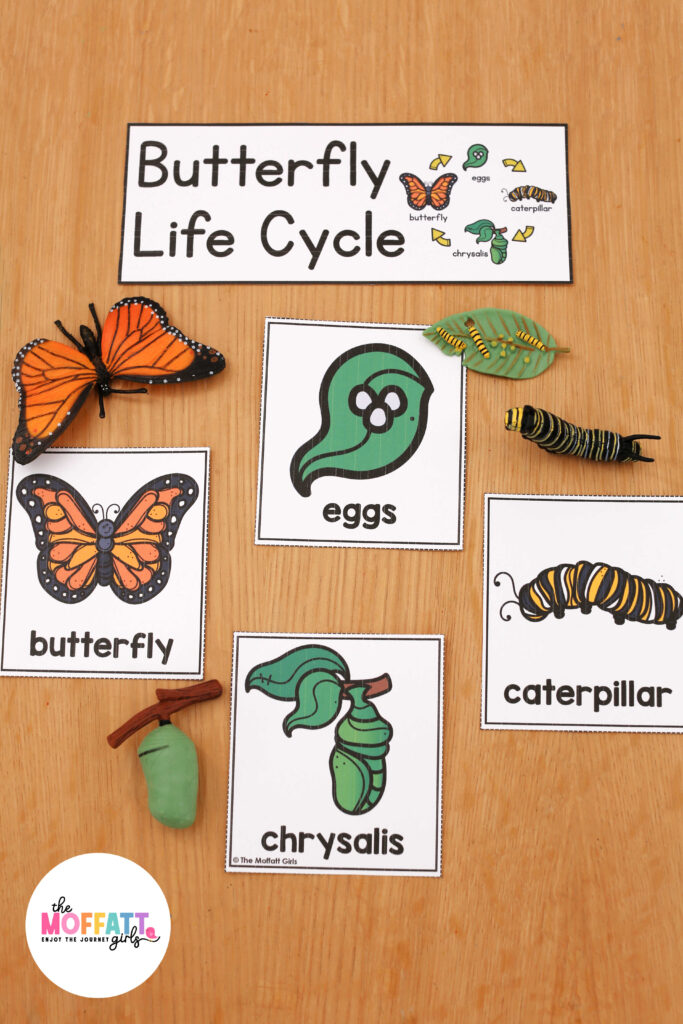
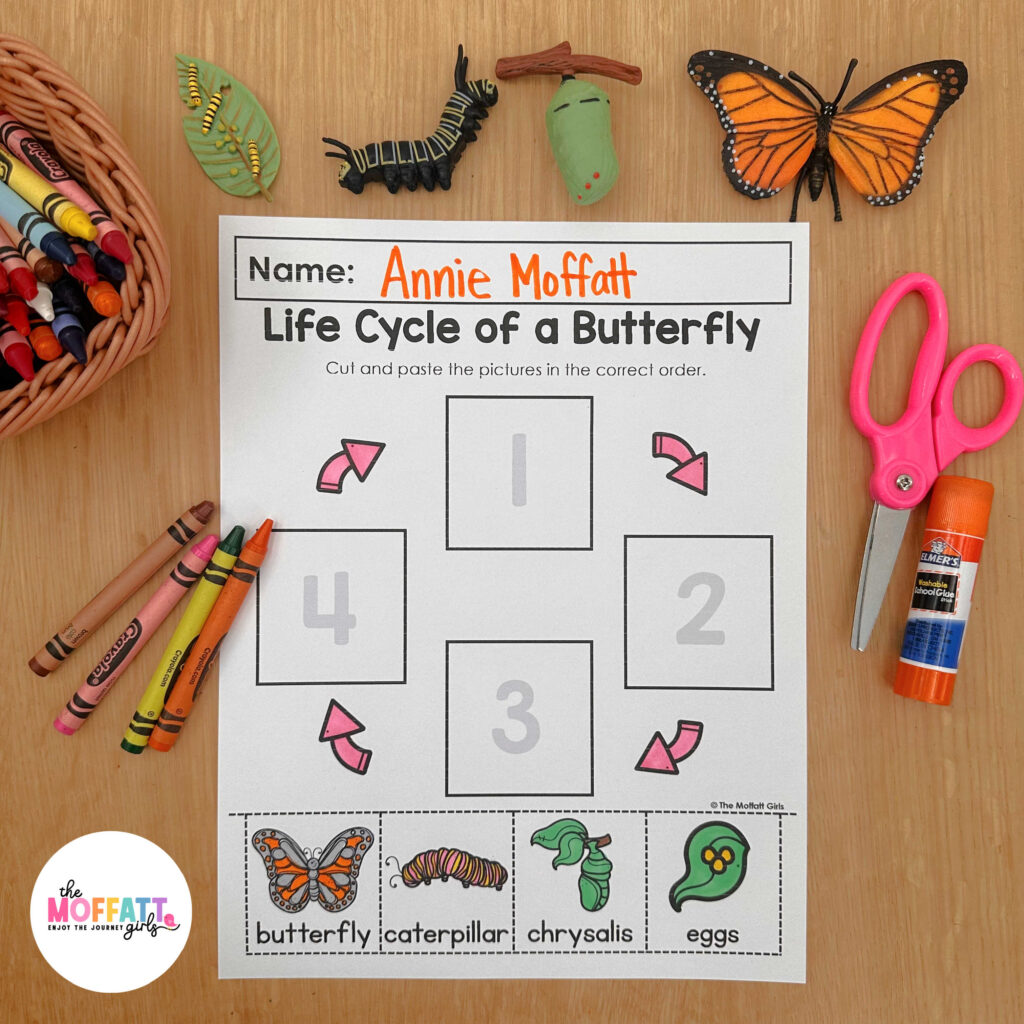
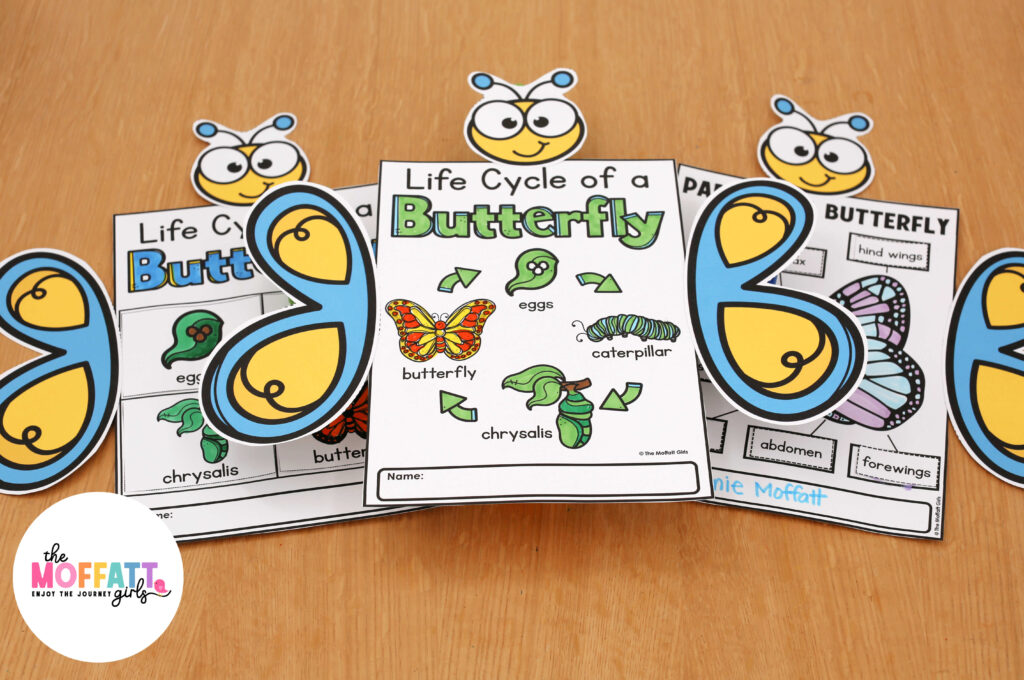
One of the most important parts of butterfly science is the life cycle. Students learn about the four stages: egg, caterpillar, chrysalis, and adult butterfly. Sequencing activities and mini books help students see how butterflies grow and change. They begin to understand the idea of transformation in nature.
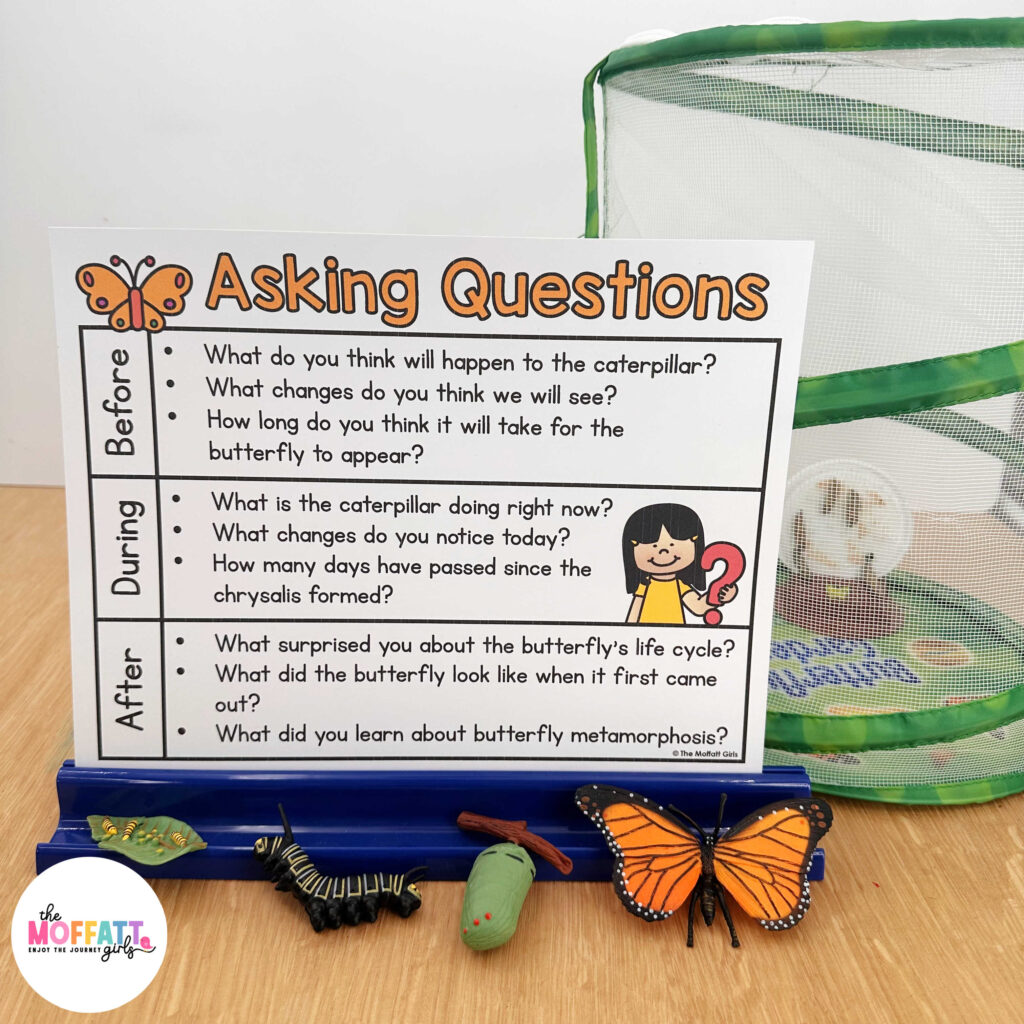
Metamorphosis Observation Experiment
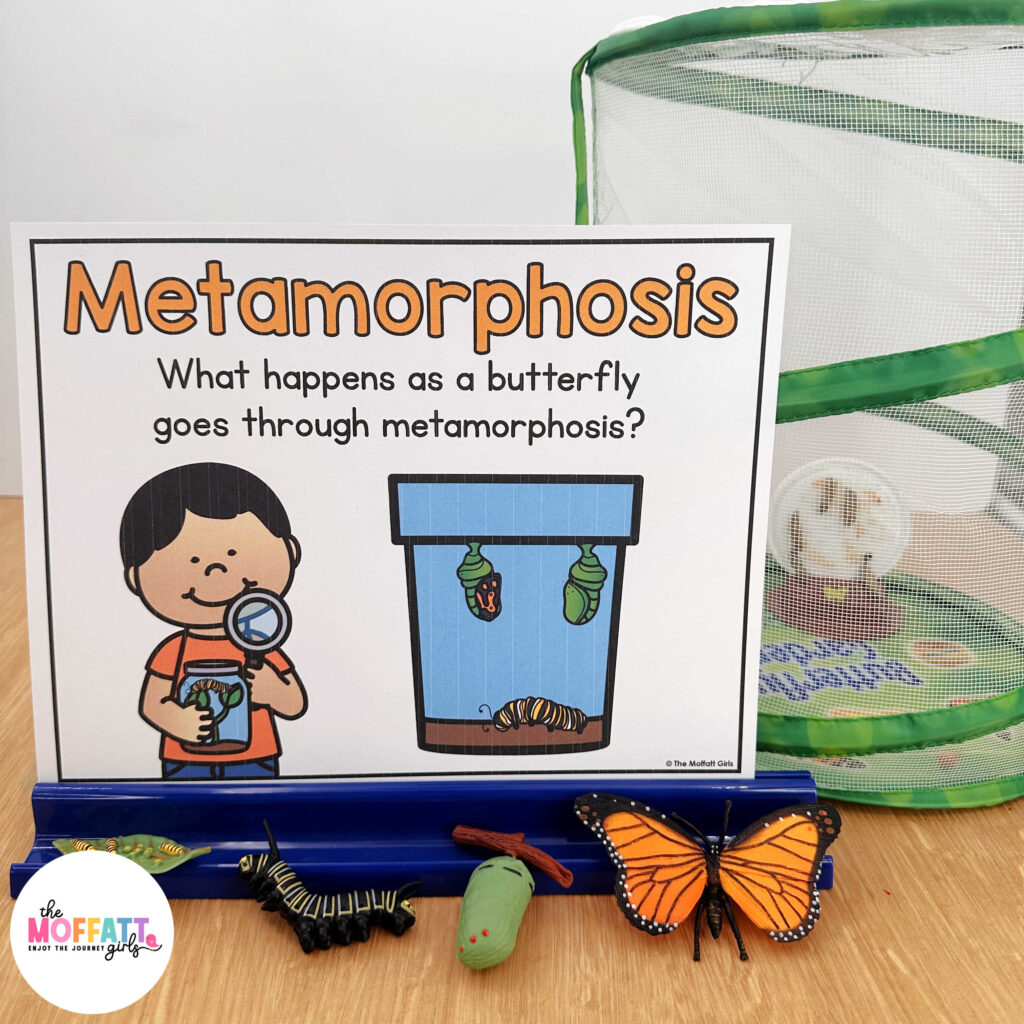
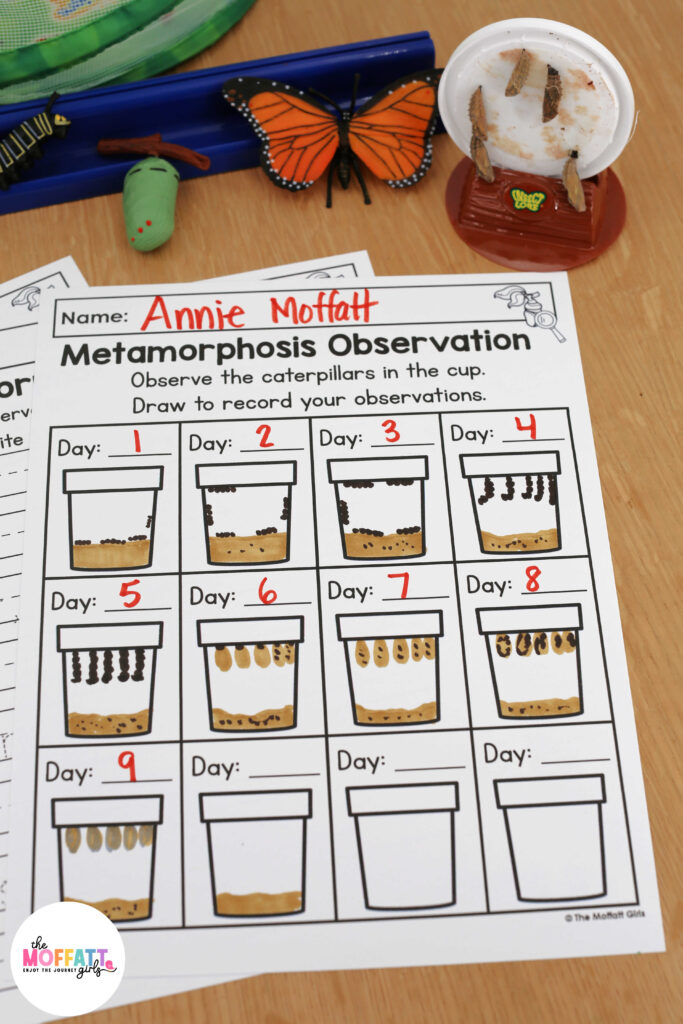
This butterfly science unit includes a simple metamorphosis observation experiment. Students observe images or real examples of each stage over time. They record what they see and notice how the butterfly changes at each step. They learn that metamorphosis is a process where an animal changes form as it grows. This activity helps students connect science concepts to real life observations.
Reading Comprehension
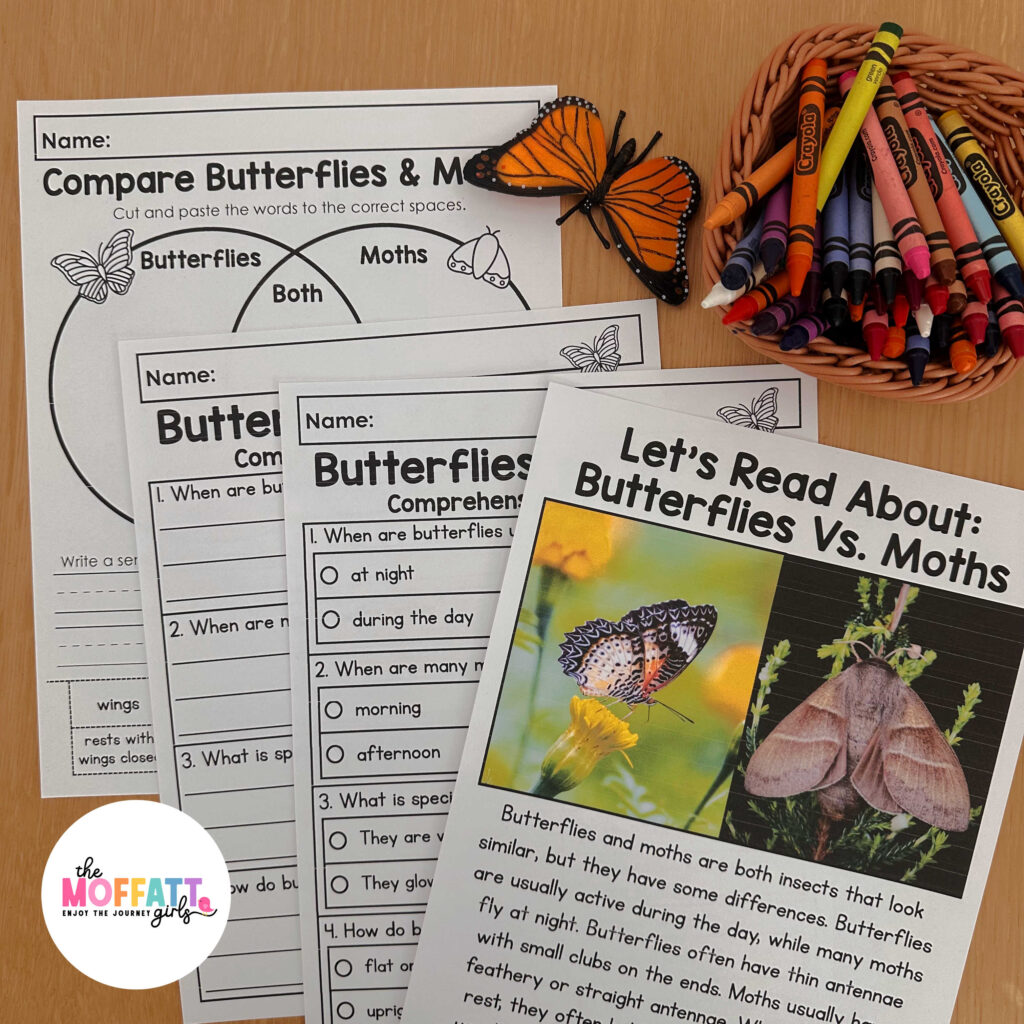
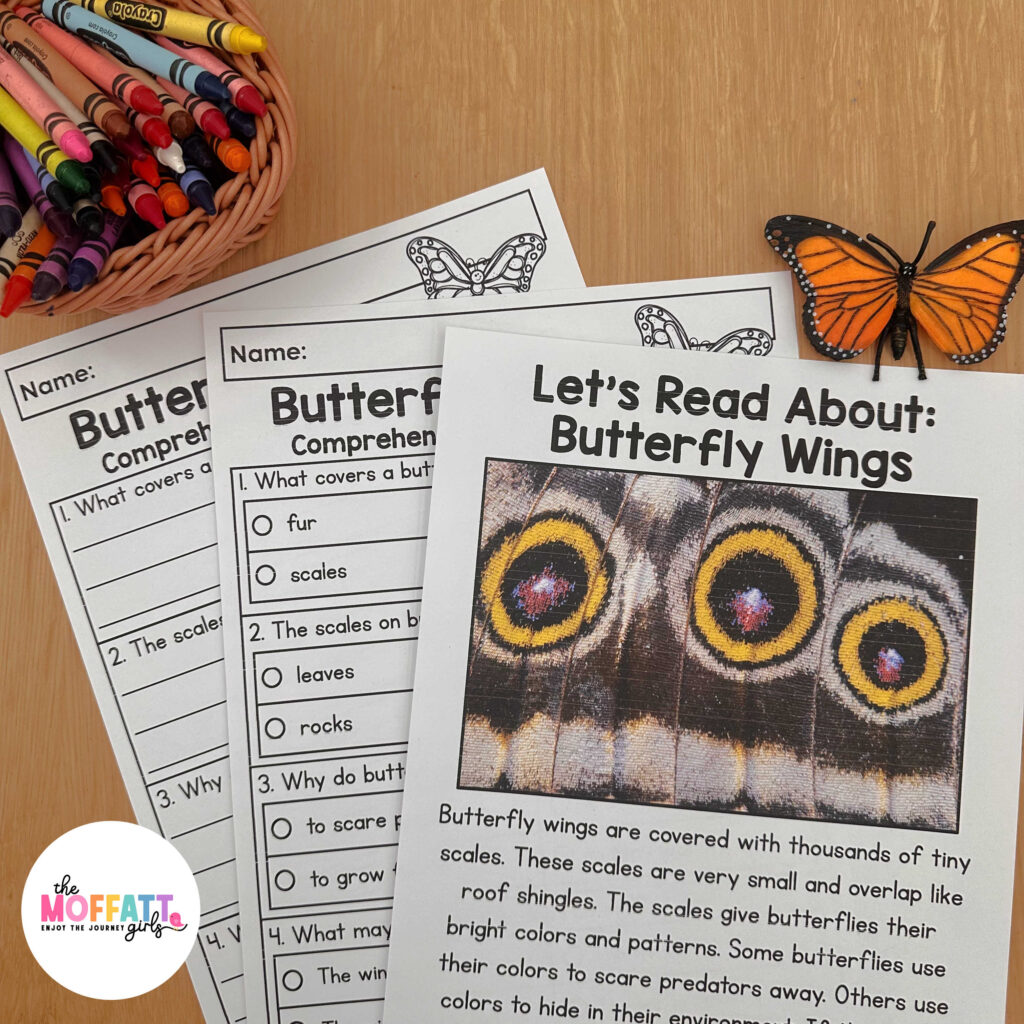
Students build literacy skills through nonfiction reading passages. Each passage focuses on butterfly science topics such as habitat, life cycle, and behavior. Comprehension questions follow each reading. These help students think about what they learned and find key details.
Writing, Drawing and Review Activities
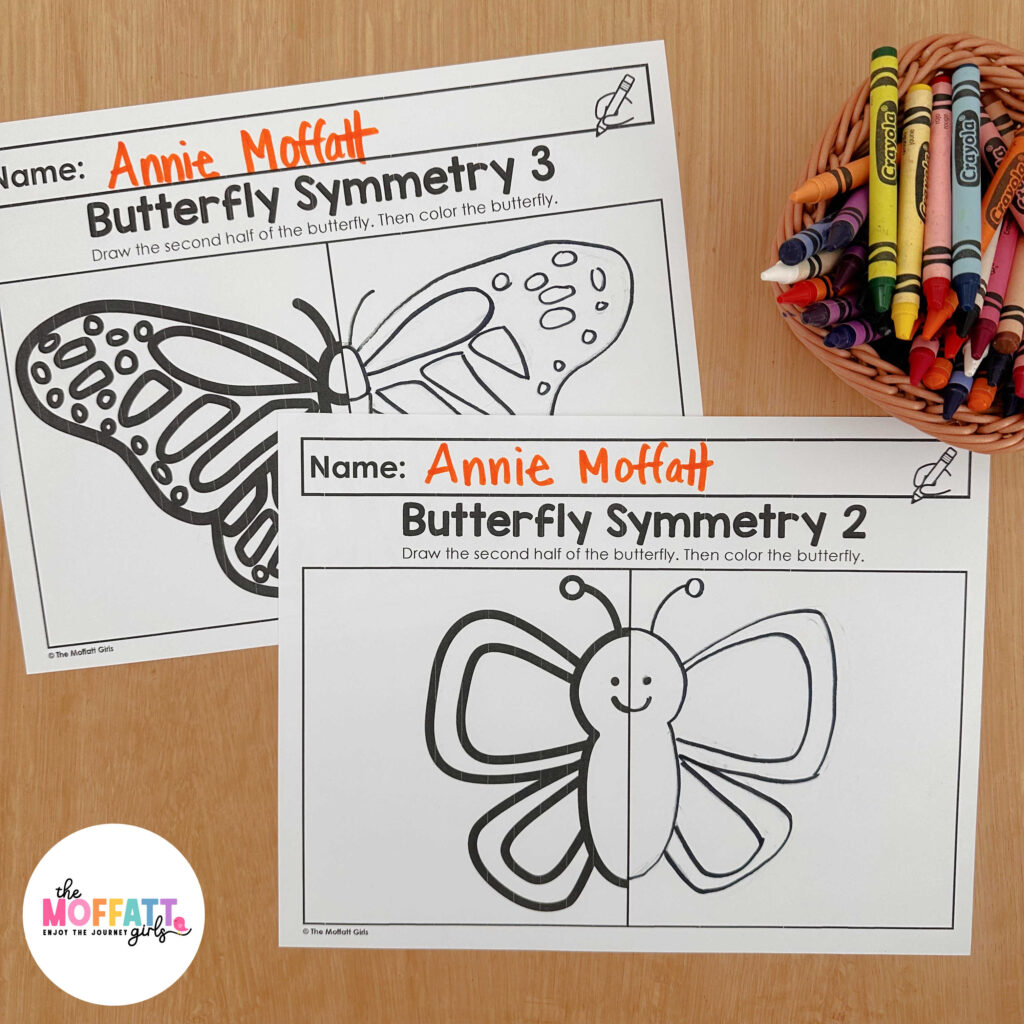
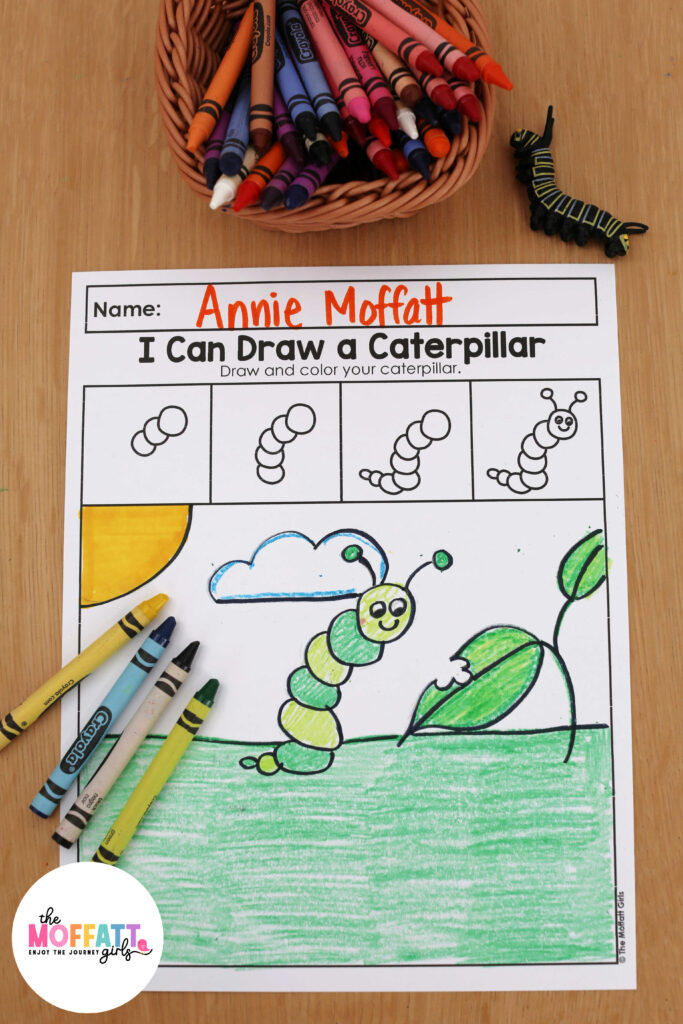
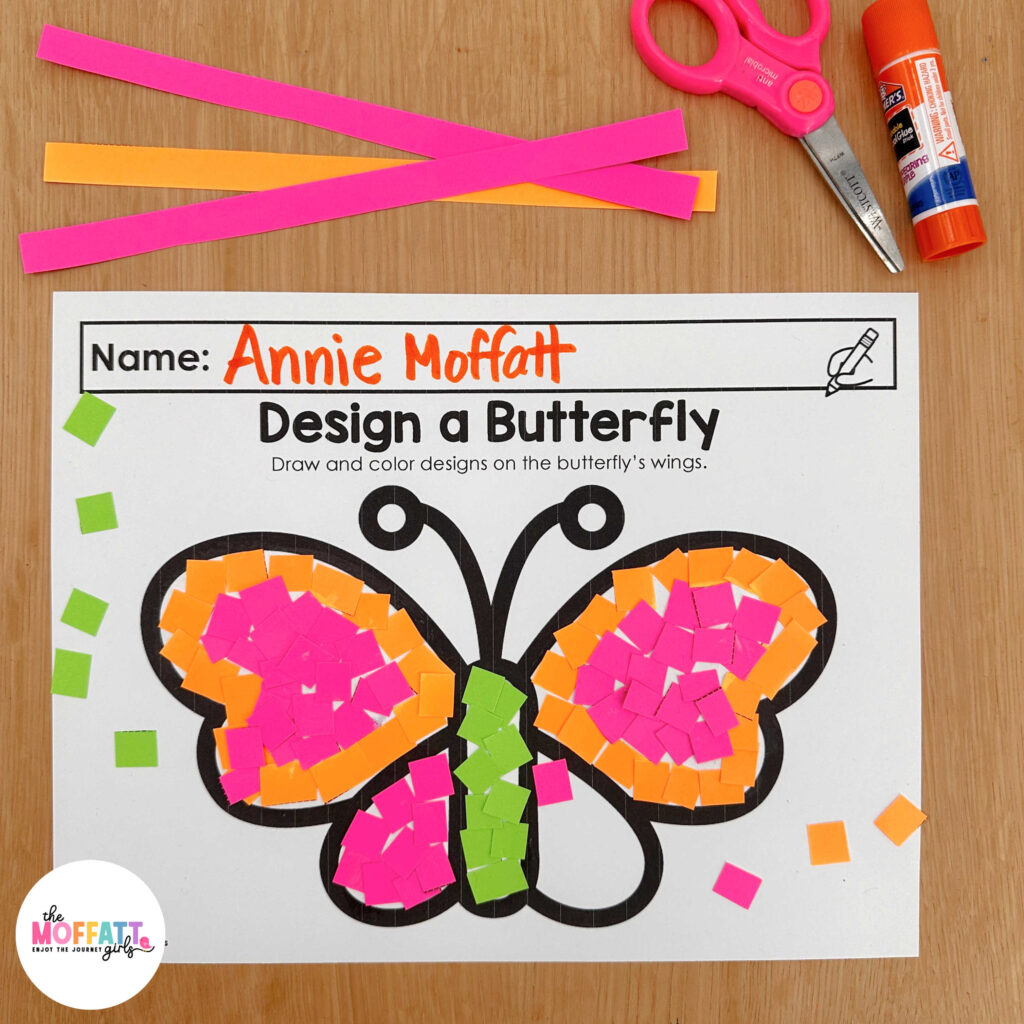
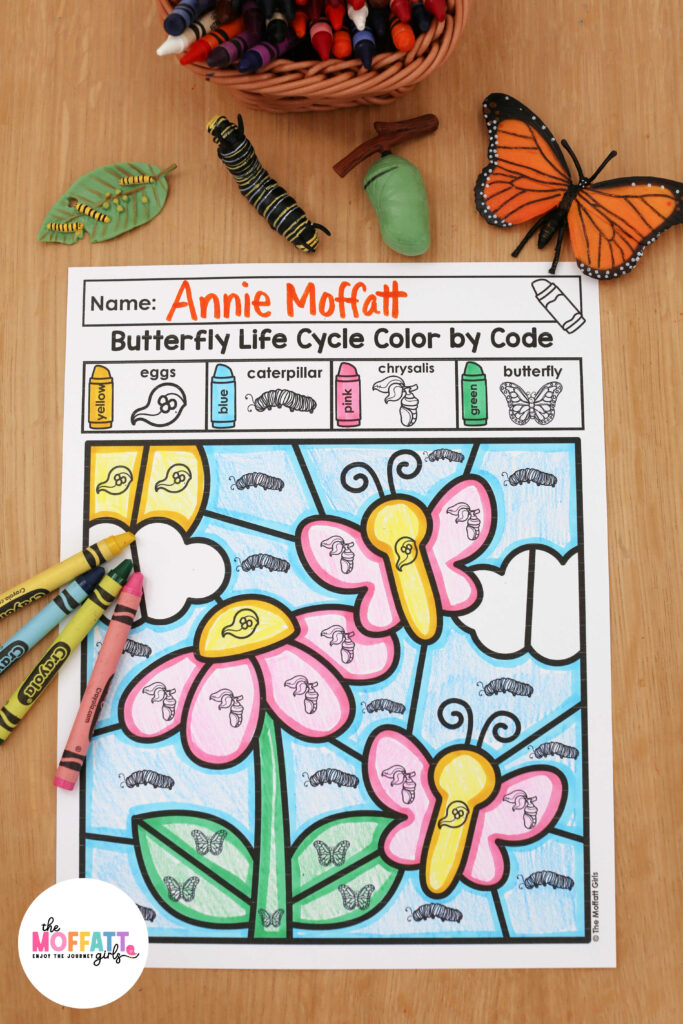
This butterfly science unit includes writing prompts, directed drawings, butterfly symmetry, butterfly design and color by code pages. Students write about butterflies and their life cycle. They draw butterflies step by step. They also review vocabulary in a fun and simple way. These activities help reinforce learning while keeping students engaged.
Leveled Books
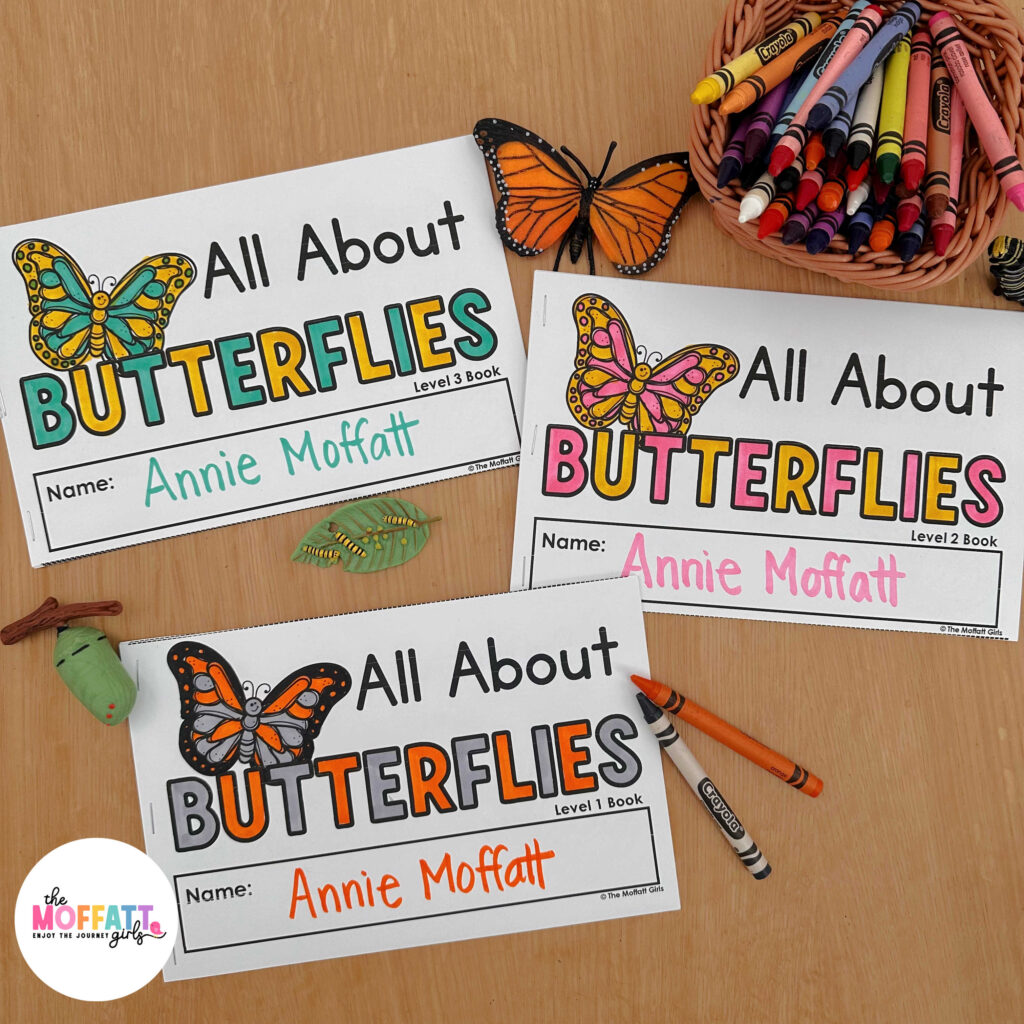
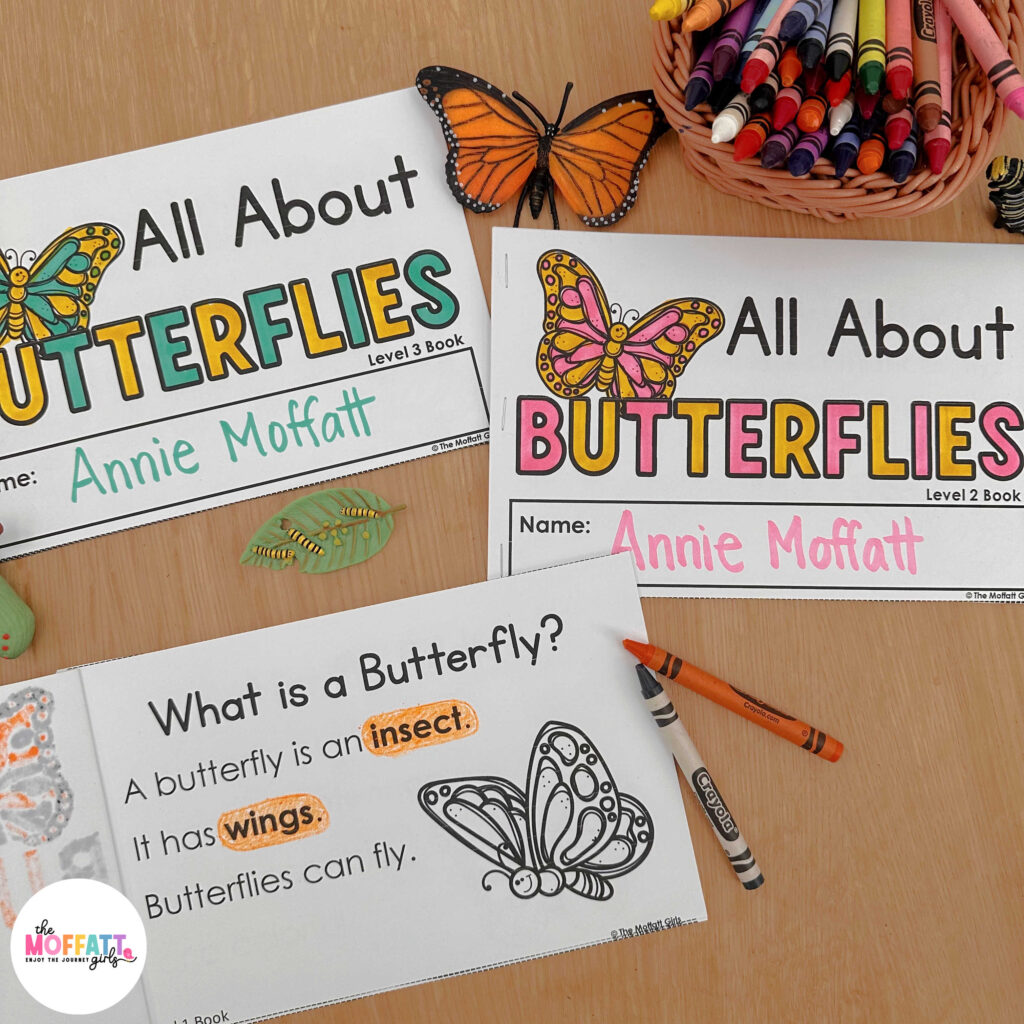
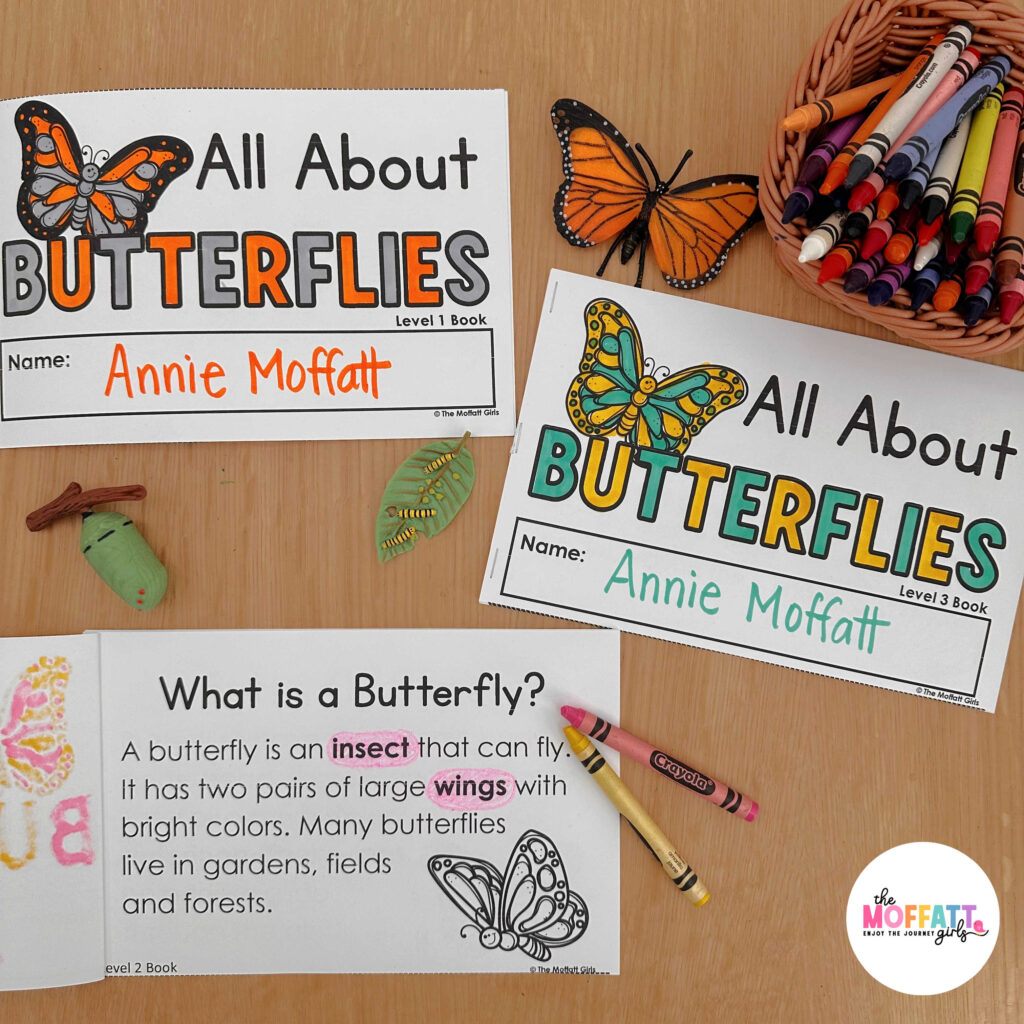
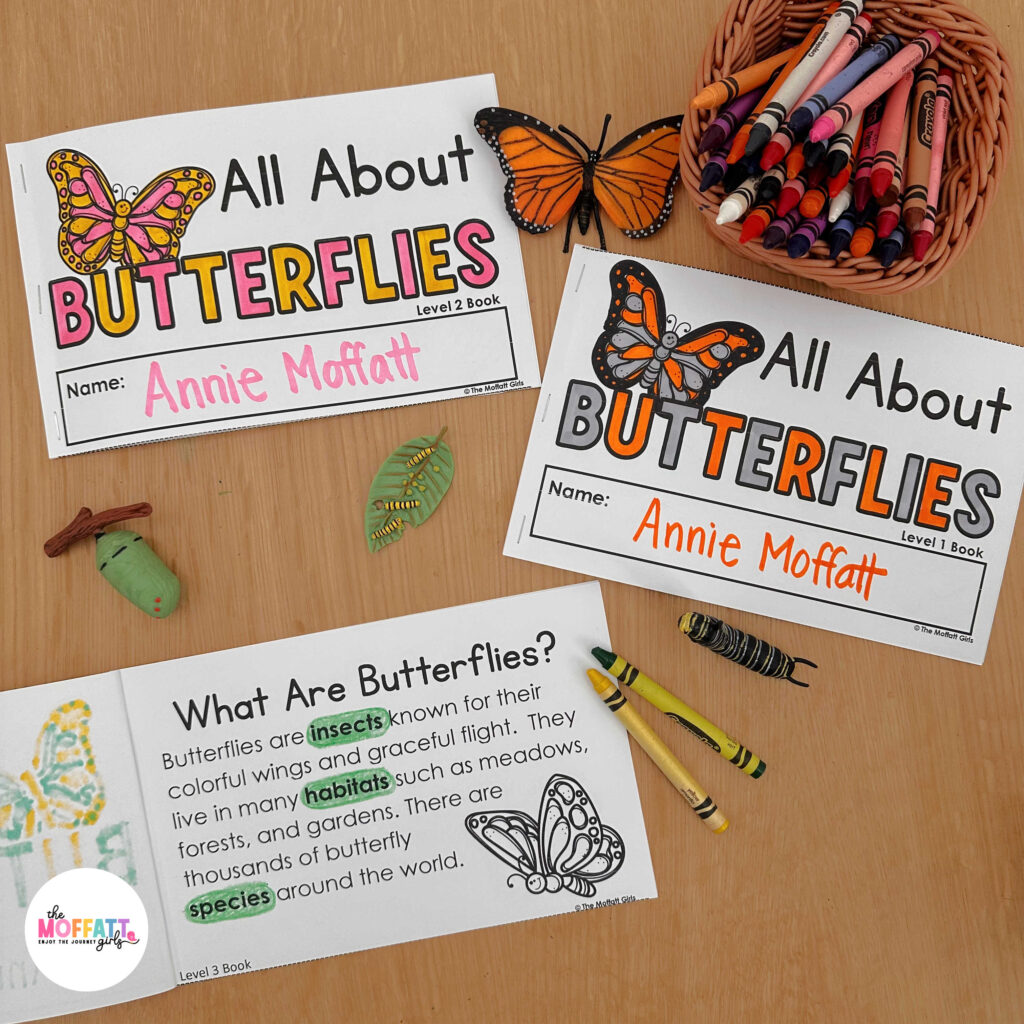
This butterfly science unit includes leveled books that help all students access the content. Each book focuses on butterfly science topics such as the life cycle, parts of a butterfly, and how butterflies live. The different reading levels make it easy to support both beginning and more confident readers. Students can build reading skills while learning new science concepts, making this a great option for small groups, independent reading, or take home practice.
Butterfly Craft
Students apply their learning with a hands on butterfly craft. As they build their butterfly, they review parts and life cycle stages. This activity helps make butterfly science more meaningful. It also creates a great display for the classroom or home.
Assess Student Learning
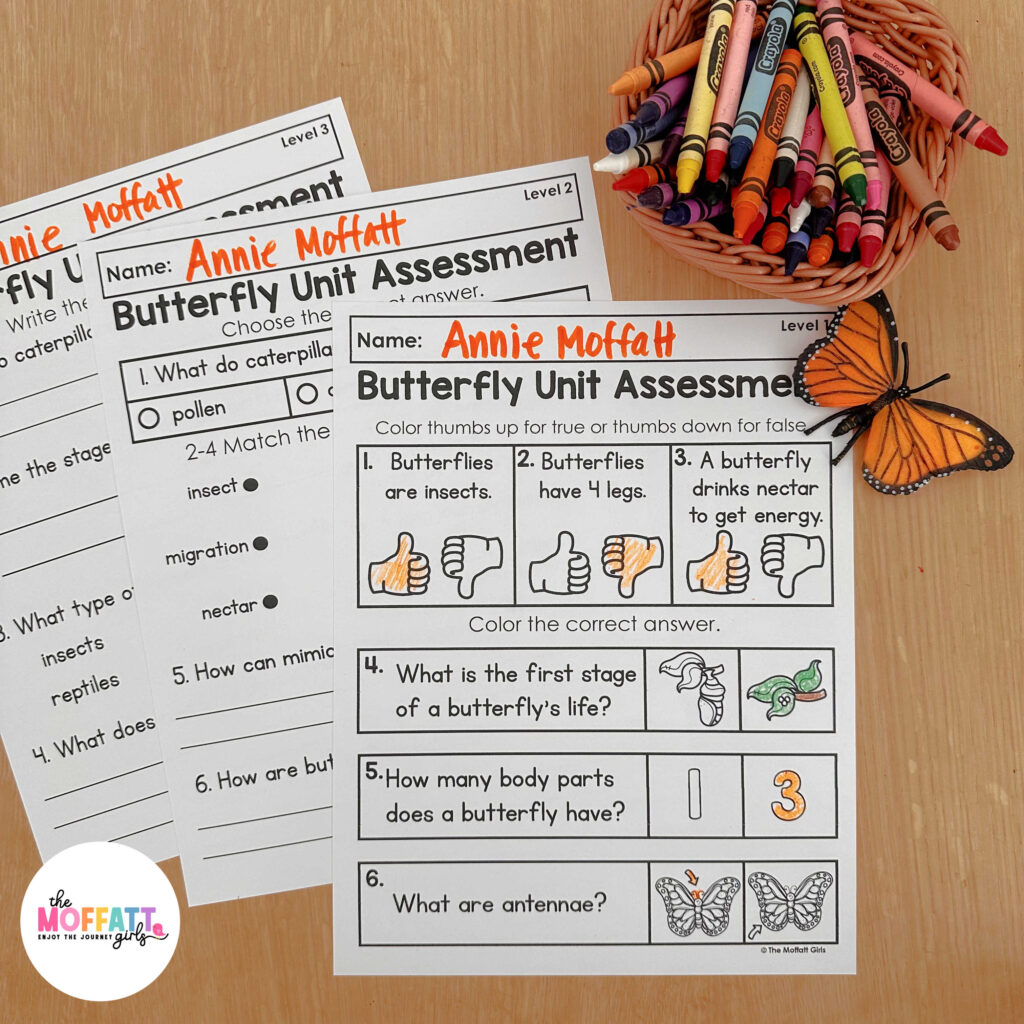
Leveled assessments are included to check understanding. Students show what they know about vocabulary, life cycle stages, and key concepts. These assessments help teachers and parents guide instruction and support student growth.
Looking for more spring science? Click Here to see the Frog Science Unit in action.
Share this:

Annie Moffatt
Annie Moffatt is a former elementary school teacher and homeschool mom with a passion for helping young learners thrive. With a background in early education and a heart for making learning fun, Annie designs engaging, low-prep resources that build confidence and success in the classroom. Her hands-on, kid-friendly approach has supported thousands of teachers and parents around the world in creating joyful learning experiences for their students.