




What is Phonemic Awareness and Why Teach it?
Share this:
Have you ever heard the term phonemic awareness and wondered what it is?
I get a lot of emails from parents who are ready to teach their child how to read. They tell me that their children know their letters and their sounds, therefore they are Ready to READ! “Where do we start and what do we do next?” they ask.
I LOVE their enthusiasm! I LOVE their willingness to dive right in.
However… diving into a full-blown reading curriculum at that early stage is not the next step. Instead, to build a strong foundation for reading success, children need to master Phonological/Phonemic Awareness.
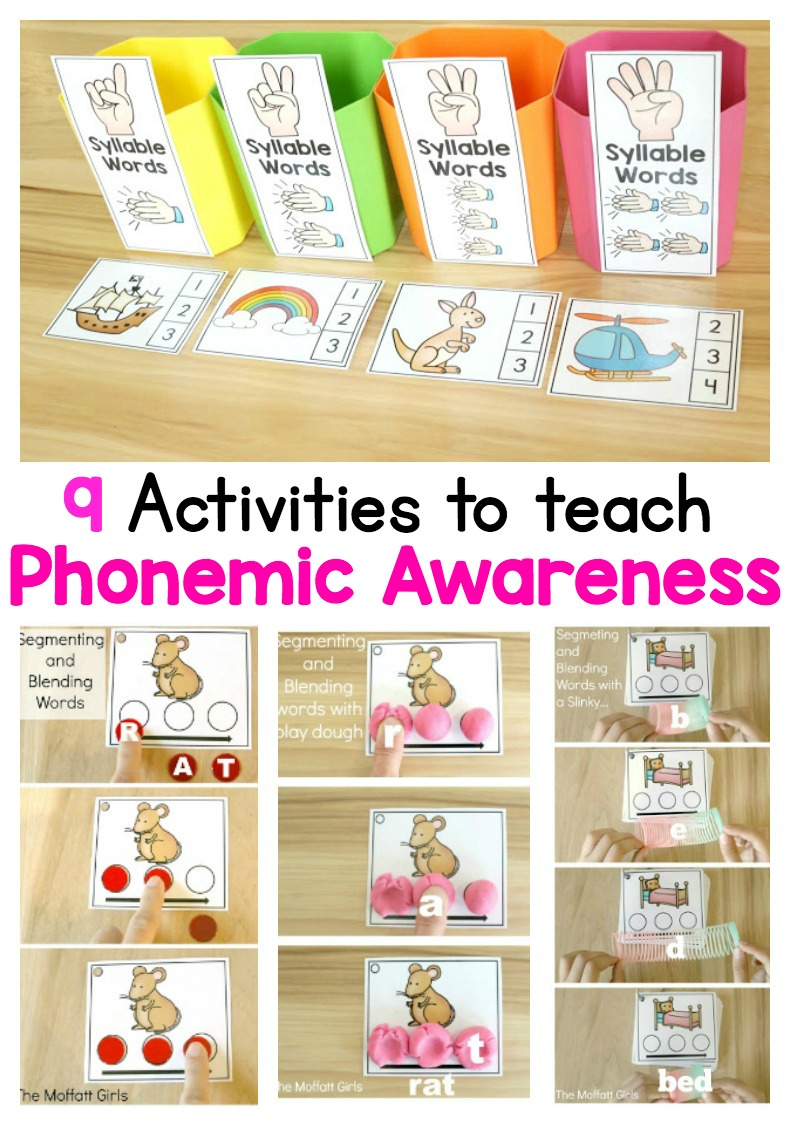
What is Phonological/Phonemic Awareness?
Phonological and Phonemic Awareness is the ability to hear, identify and manipulate sounds (phonemes). This skill provides a strong foundation for early reading success. As students become more proficient in hearing, identifying and manipulating sounds, they can successfully move onto segmenting and blending words. Therefore, a systematic and cohesive approach to teaching phonological awareness can build confident readers who are less likely to struggle with decoding and spelling skills. Students with strong phonemic awareness are much more likely to be successful readers.
Who Can Benefit from Phonological/Phonemic Awareness?
Reading instruction is important for all students. A strong foundation in phonological/phonemic awareness can benefit:
*Beginning Readers
*Struggling Readers
*Students with autism or other developmental disabilities
*Pre-Kindergarten, Kindergarten and 1st Grade Students
Authentic Phonemic Awareness is done without printed words. It is all about the sounds that letters make. It gives students the ability to work with sounds, manipulate sounds and master these sounds in a variety of ways. When students are able to do these skills successfully, they are able to jump into phonics with a lot less struggle. Phonics (not Phonemic Awareness) works with connecting the sounds to printed letters and words. When you target phonemic awareness first, it allows a child to focus on one thing…sounds. However, when you try to teach both phonemic awareness (sounds) and phonics (linking sounds to letters and words), it can be overwhelming and frustrating for children learning to read.
When a child struggles with reading, the gaps are often connected to a lack of phonemic awareness skills. Fortunately, going back and reinforcing these skills can help fill in the gaps and build stronger readers.
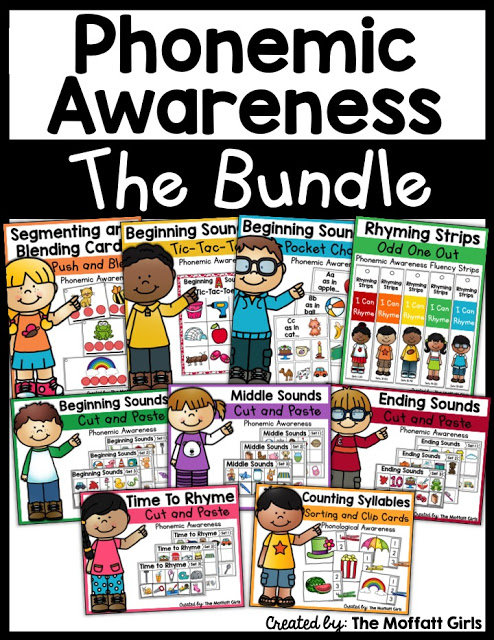
Within my Phonemic Awareness Bundle, I have provided an opportunity to practice many skills necessary to give children a strong foundation with sounds. Let’s take a look at this bundle, see how it works and why it is an important component to reading success.
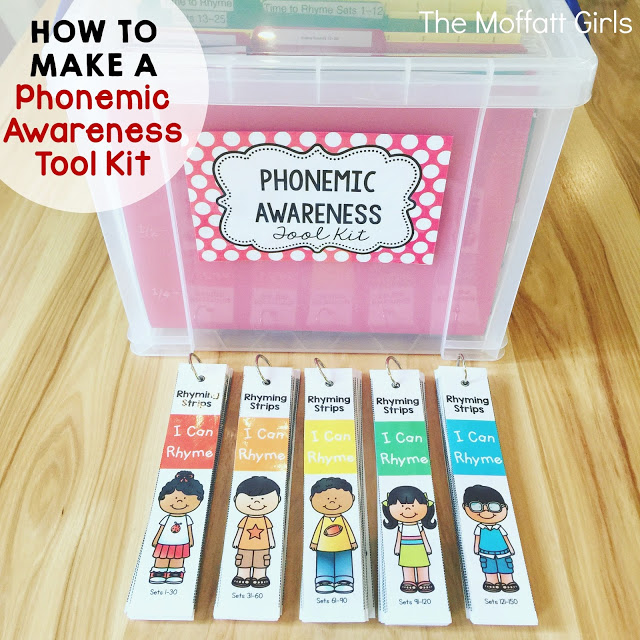
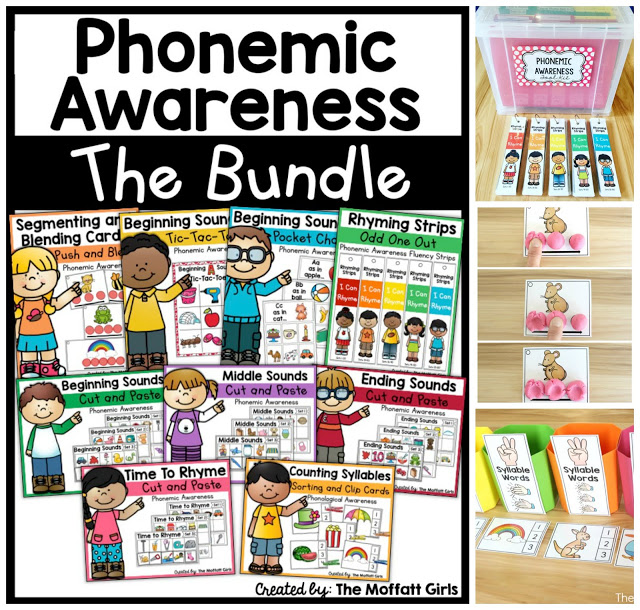 The pictures and activities that I am about to show you below are all stored in my Phonemic Awareness Kit. This is EASY to set up and just requires a box and some file folders. This method keeps me organized and all of my materials are in one place. When my teaching materials are organized, I am more equipped to meet the needs of those that I am teaching.
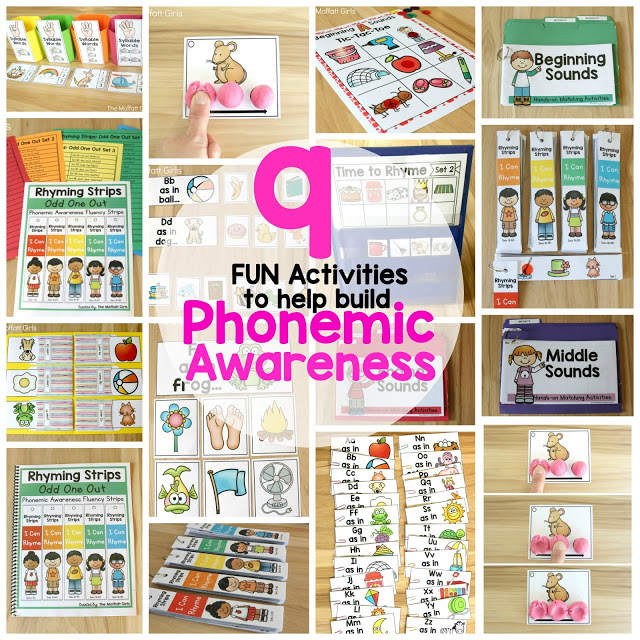
In this post, I will show you 13 different activities to help build phonemic awareness.
Also Included in the Bundle:
This bundle has everything that you’ll need to set a strong foundation for reading readiness. In addition to the activities, the bundle includes pre-assessments, quarterly scopes, lessons plans, post-assessments and progress trackers.
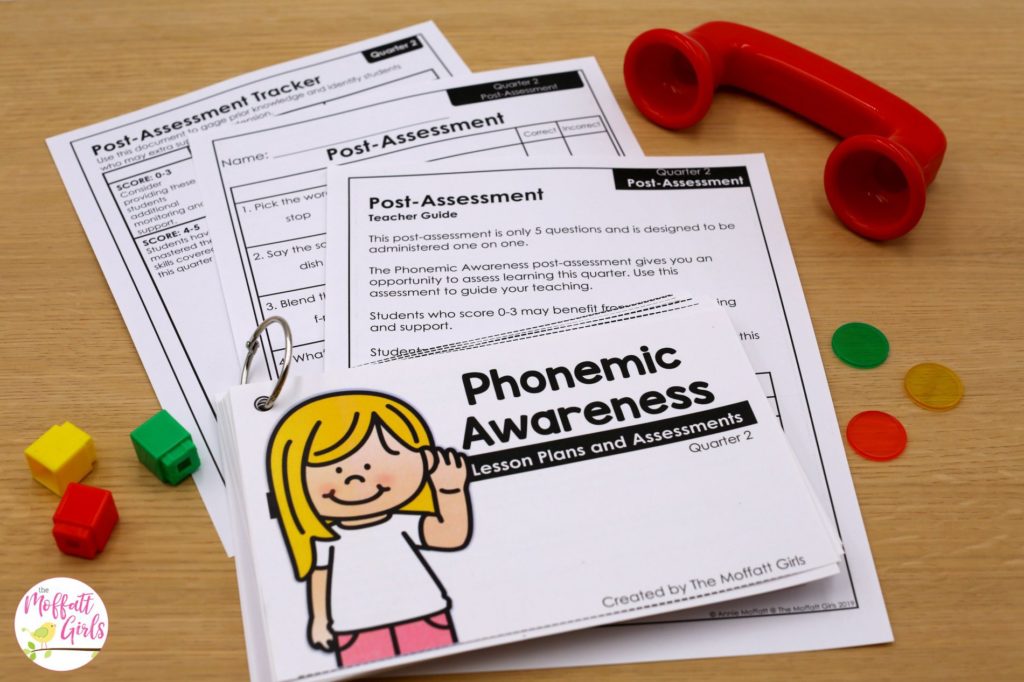
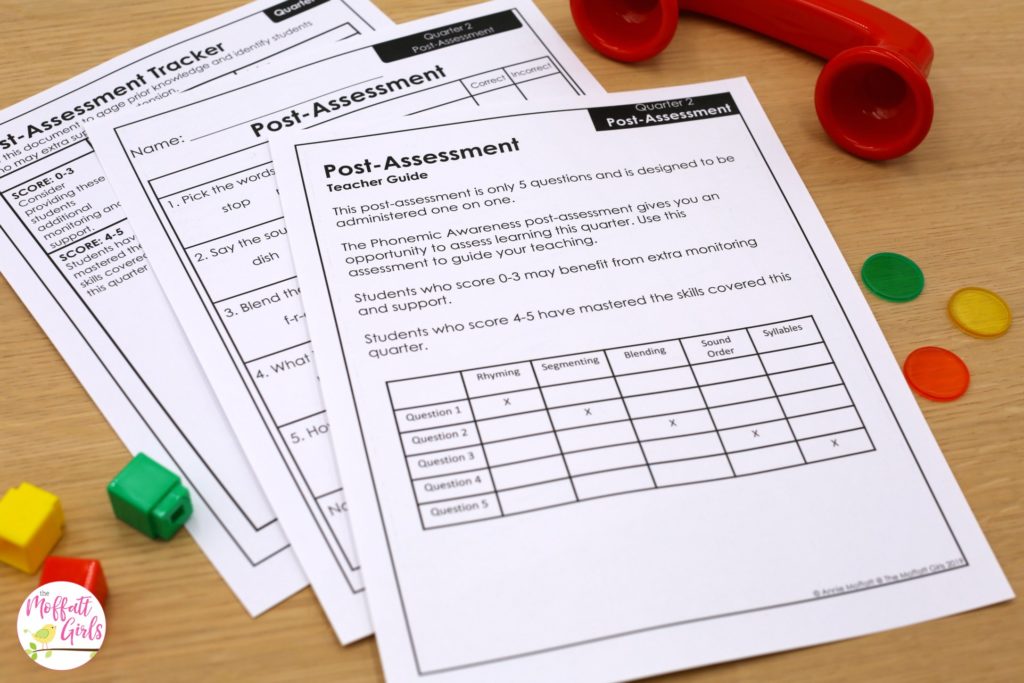
The mid-assessments help you to identify the pace of a student’s learning, while the post-assessment gives you the opportunity to gage mastery of the skills that have been taught. The assessment trackers allow you to easily identify small groups and students who may benefit from scaffold or extension activities.
Scope:
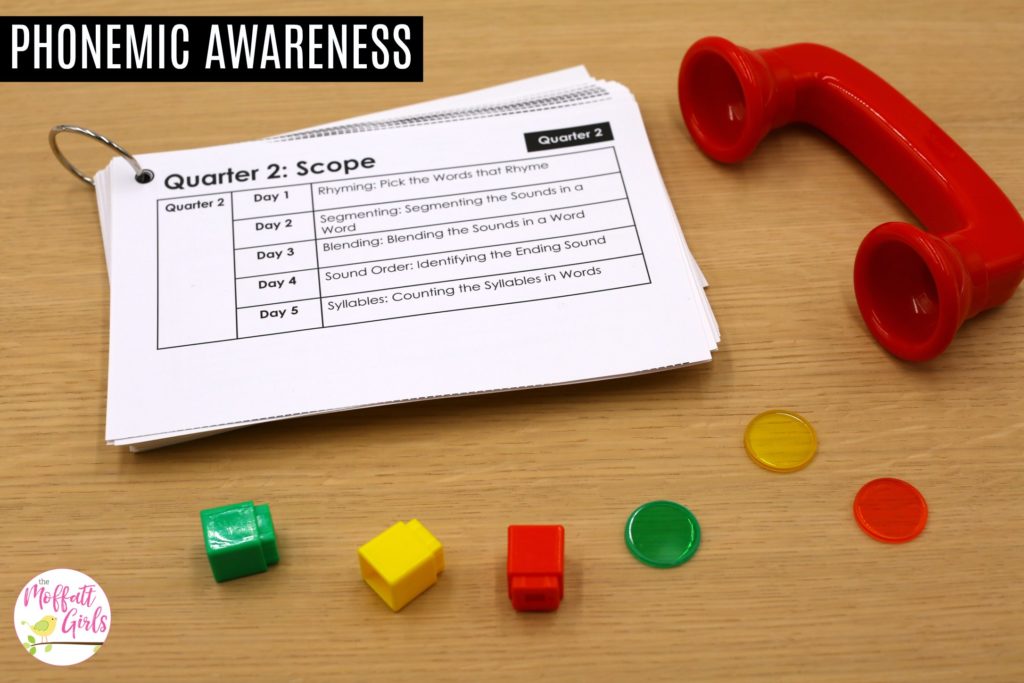
The scope gives you a brief outline of the skills that will be introduced and reviewed on a weekly basis.
Lesson Plans:
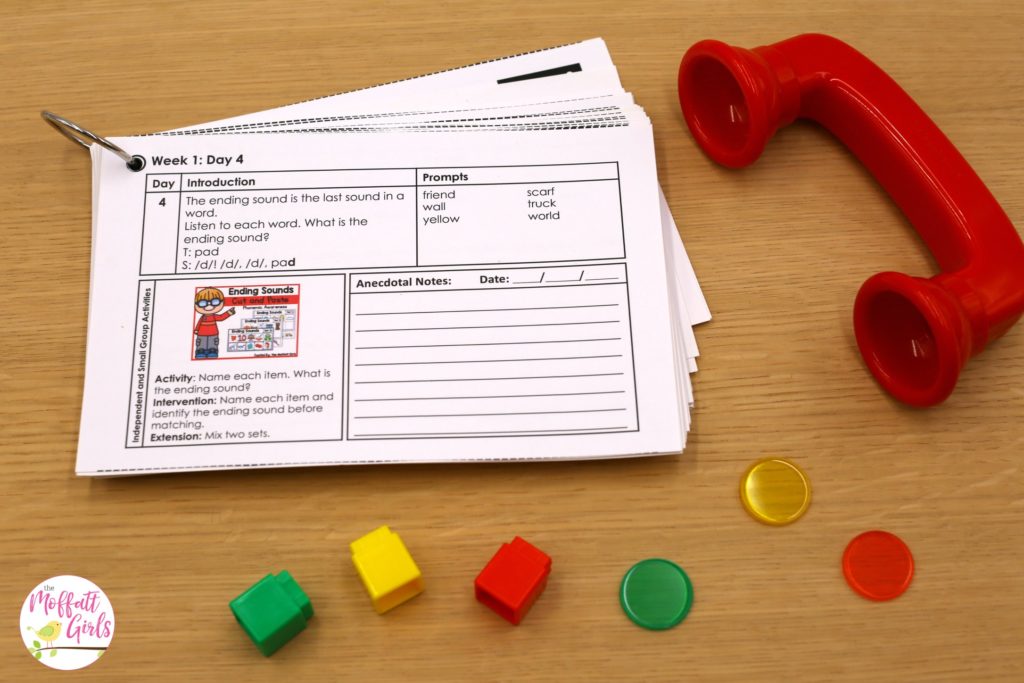
Each lesson plan offers a brief introduction or review that can be implemented in a large or small group. This lesson is then followed by an activity to allow students to practice what they have learned. A section of anecdotal notes to assist in your teaching.
What are the Components to Phonemic Awareness?
I like to start with and include the following packets when teaching phonemic awareness:
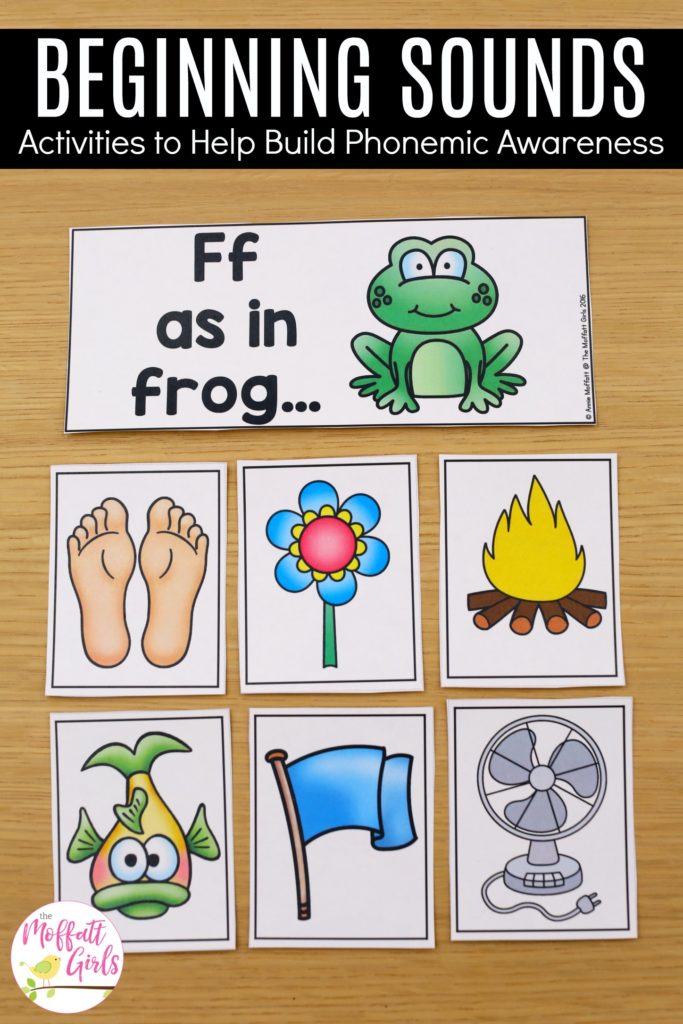
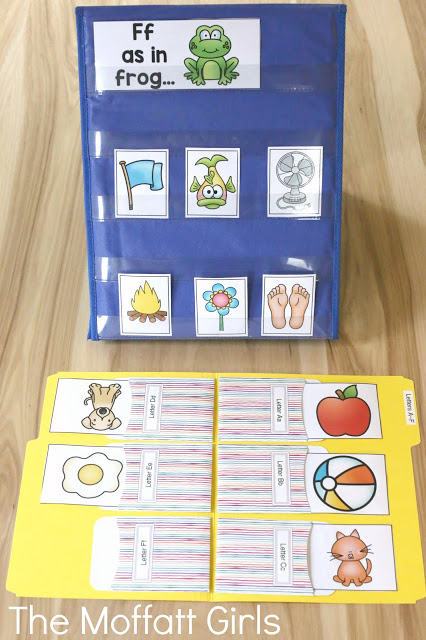
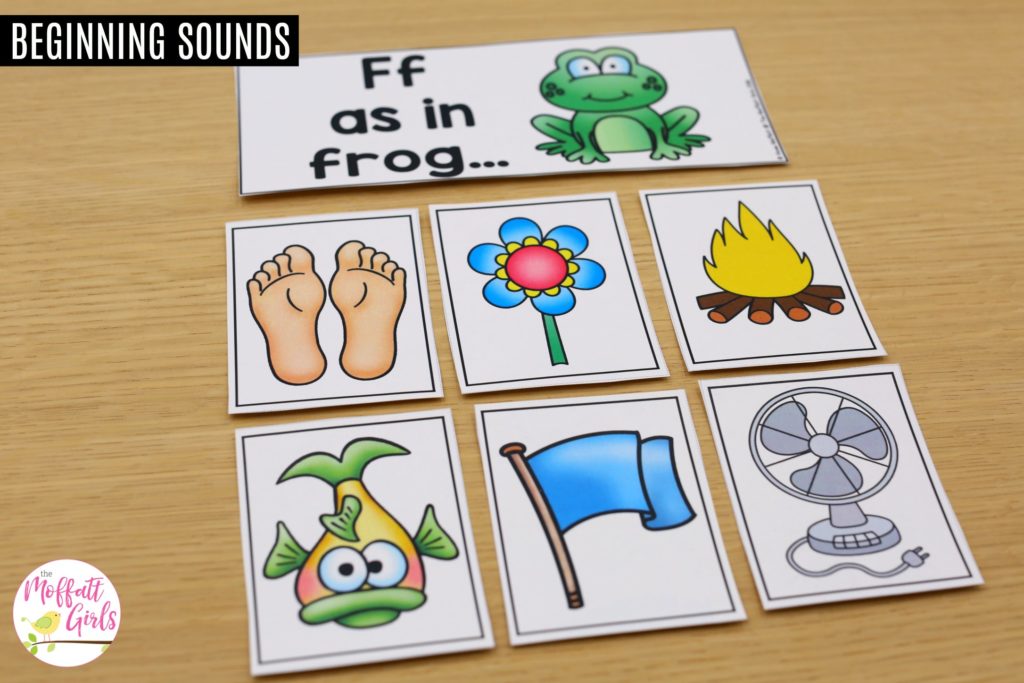
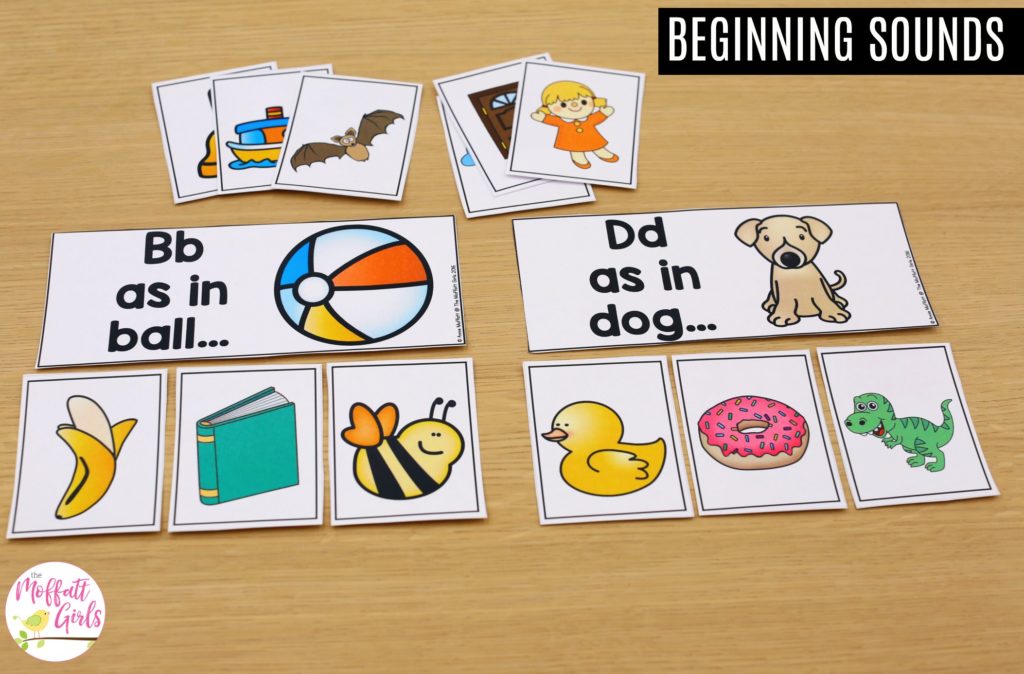
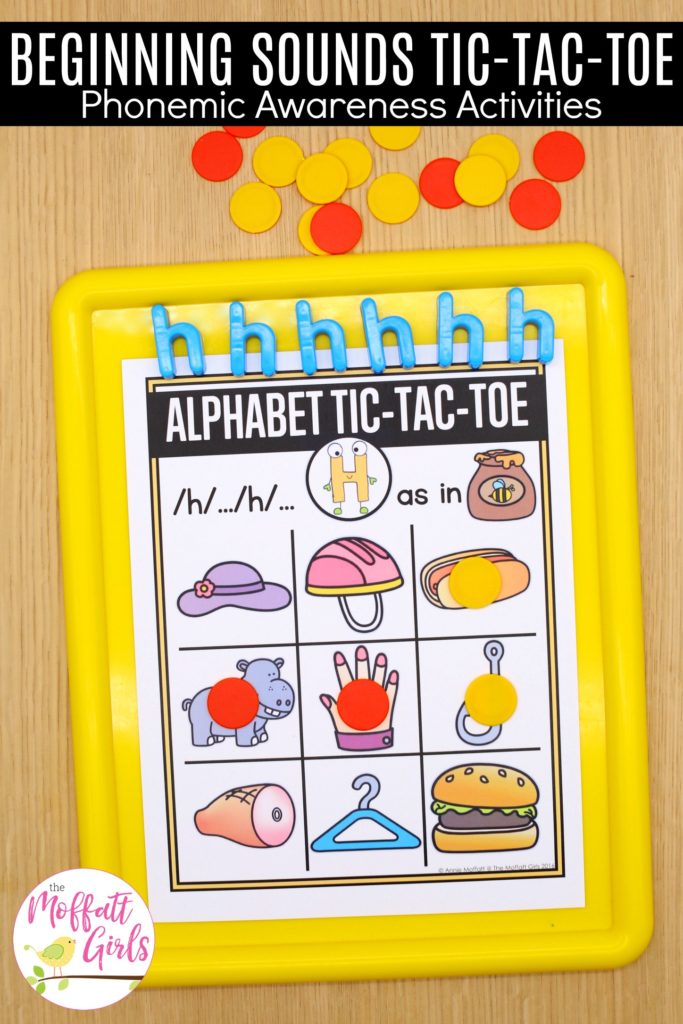
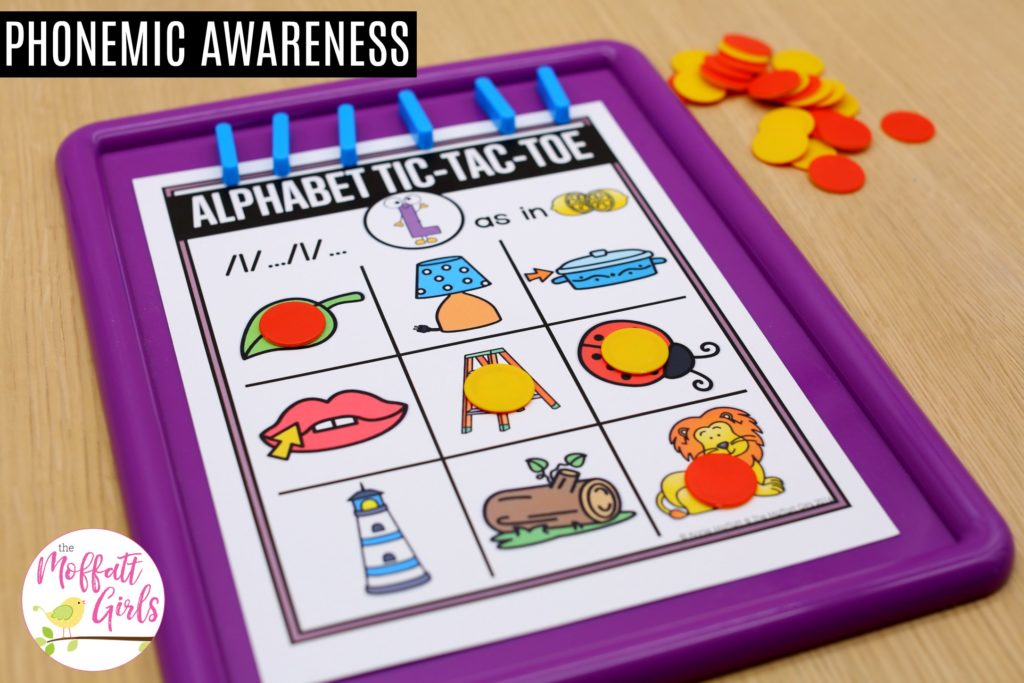
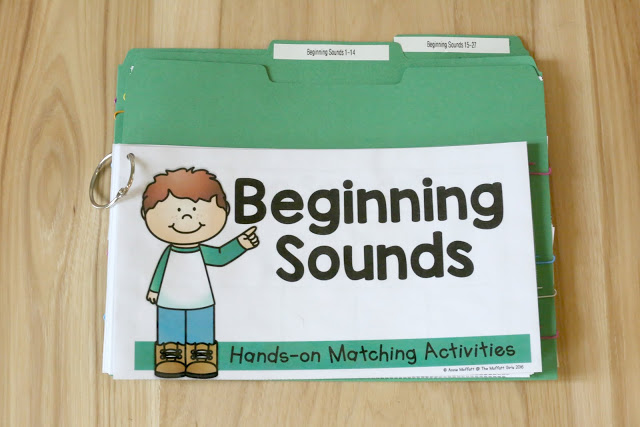
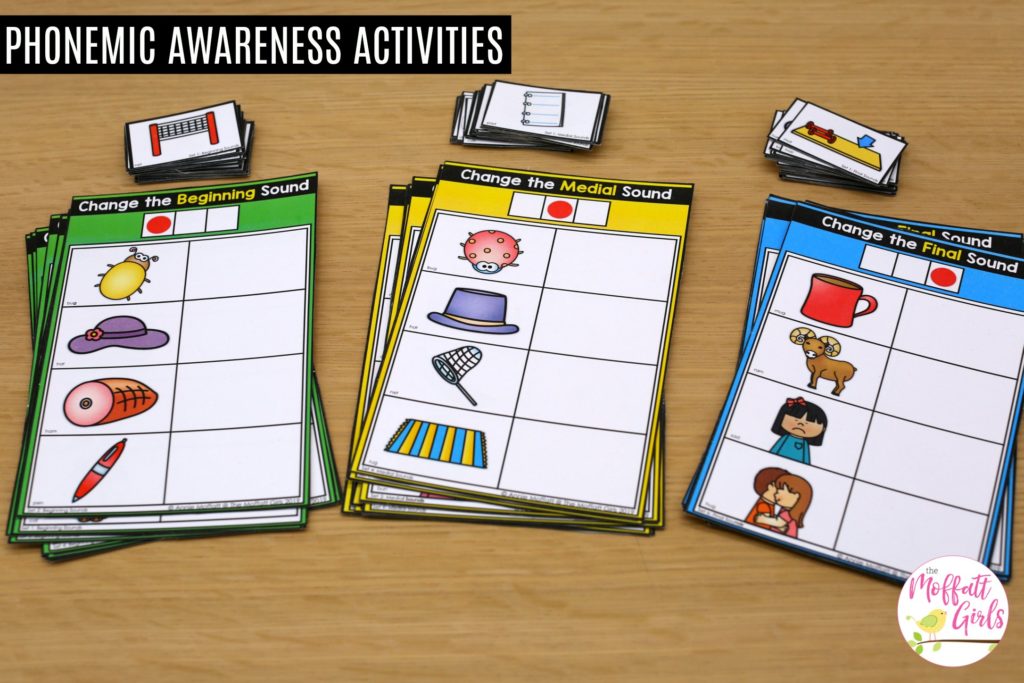
Let’s start with Beginning Sounds. This is a great place to start, but it is typically the only component of phonemic awareness that many people implement.
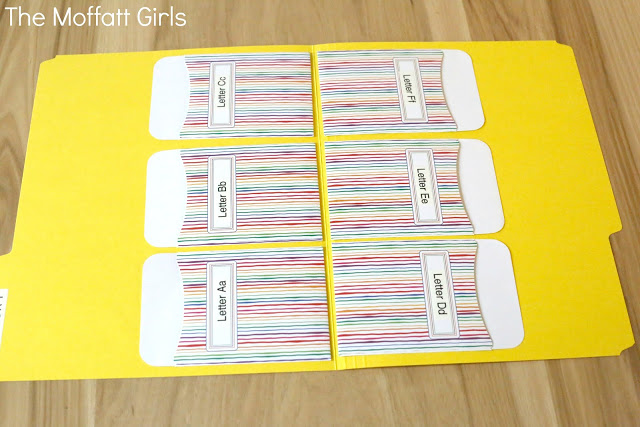
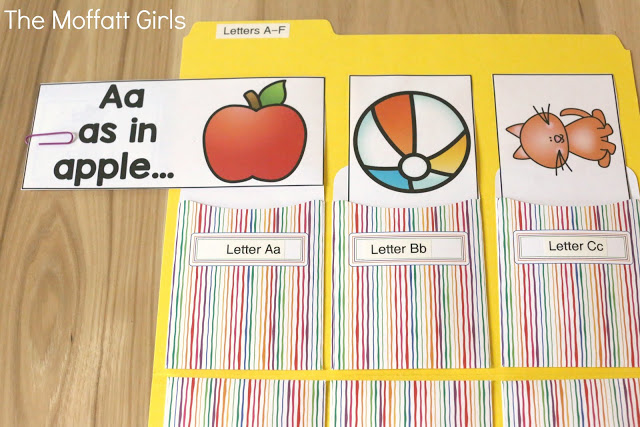
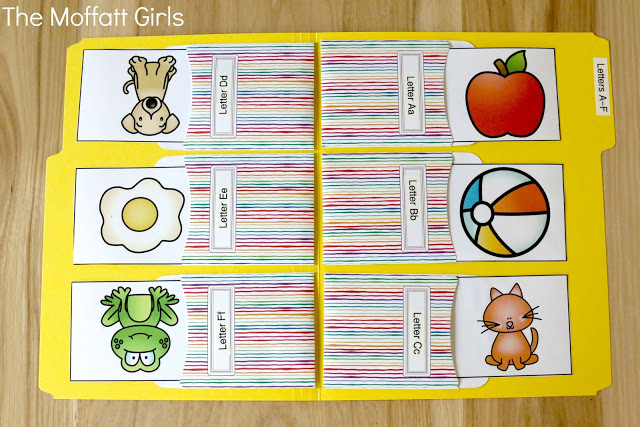
Once you print out the letters and picture cards, it is a great idea to set them up and get them organized. Therefore, I print, laminate and cut out all of the pieces.
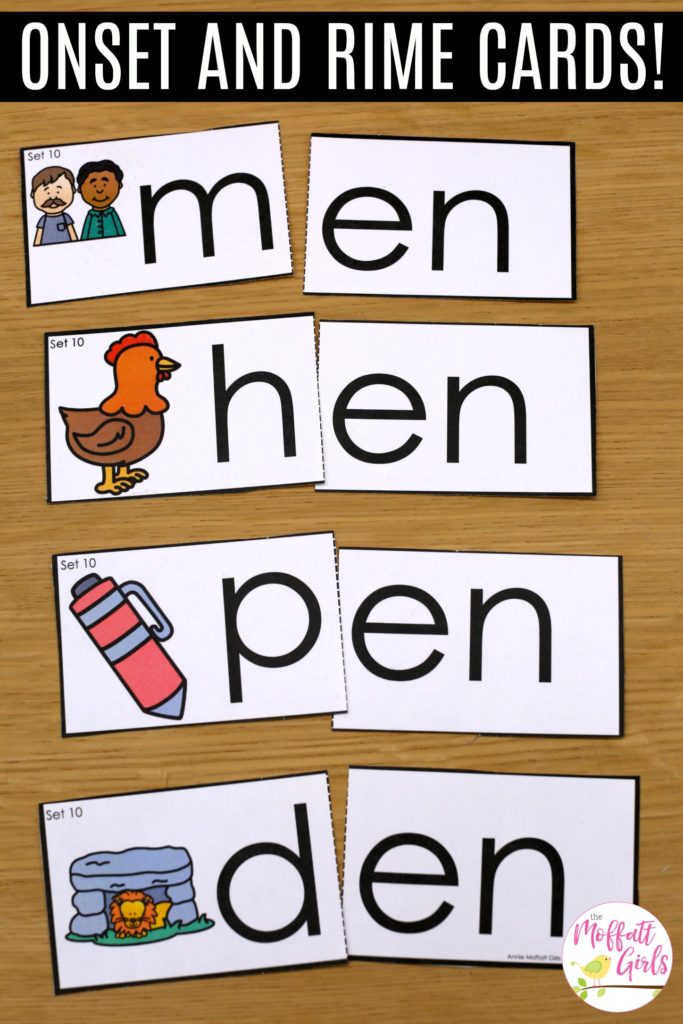
Although you typically don’t want to use printed letters or words when teaching phonemic awareness, I found it helpful with the pocket chart cards. It lays a great foundation for beginning sounds.
Each set of pocket chart cards has a picture of the beginning sound for every letter of the alphabet.
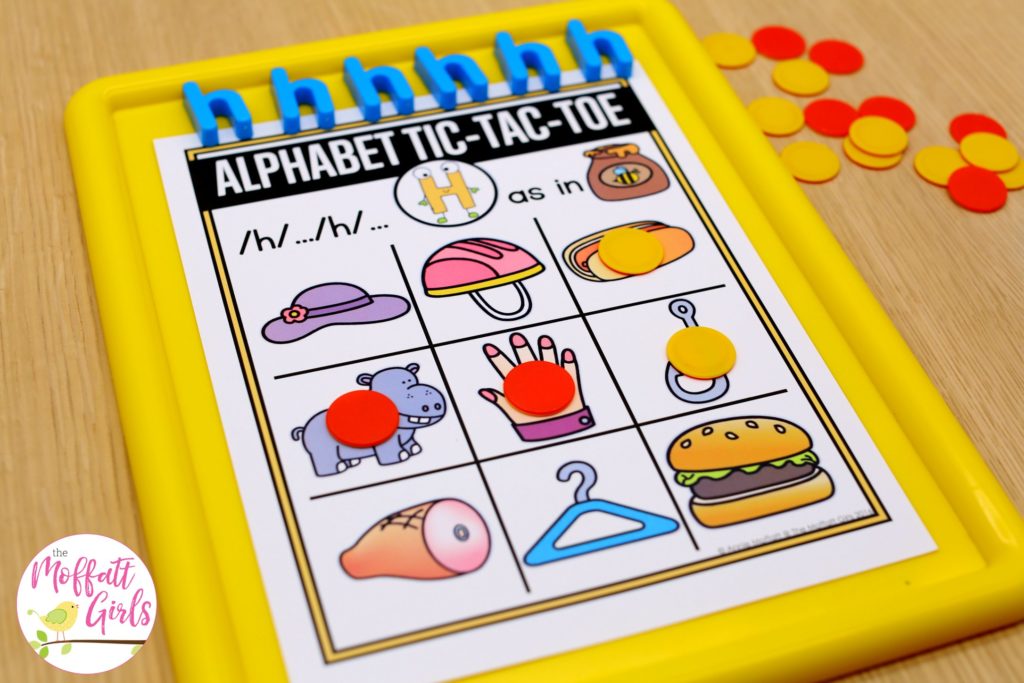
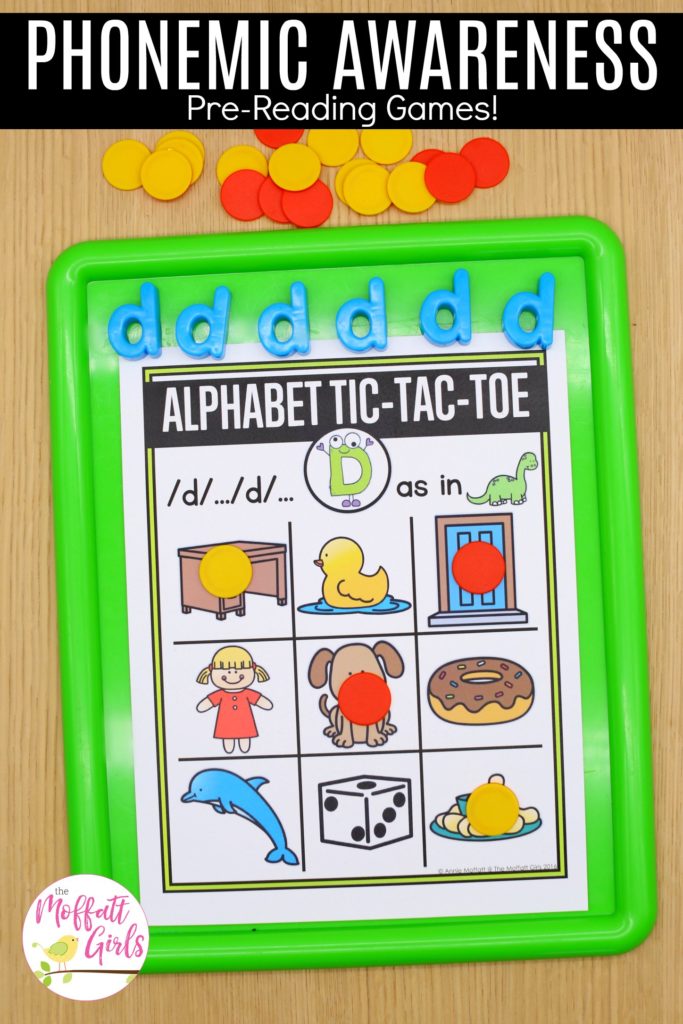
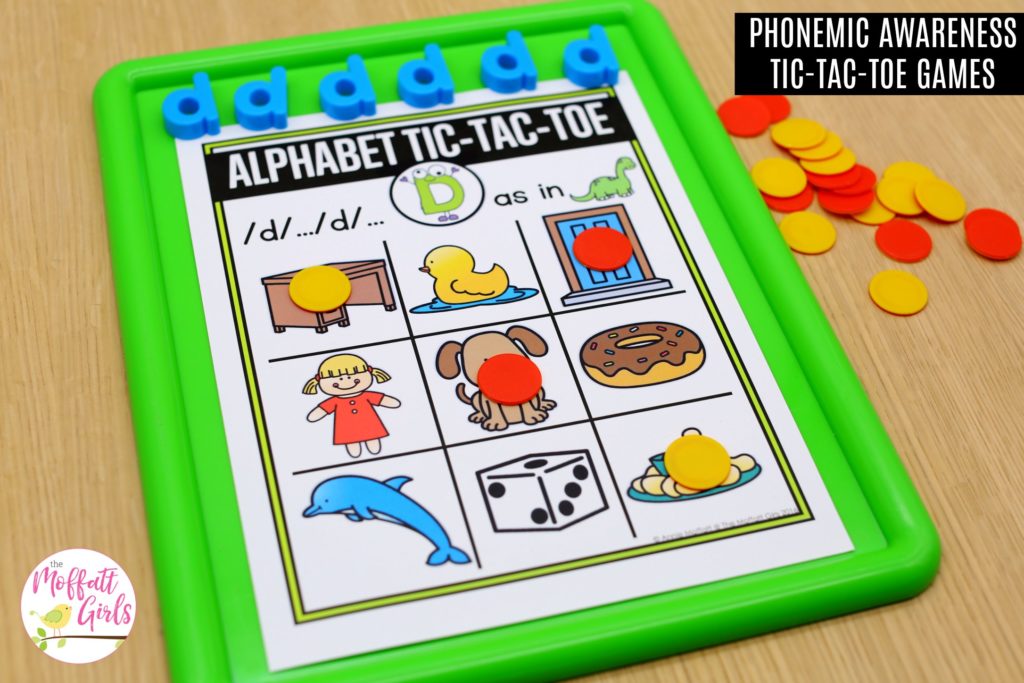
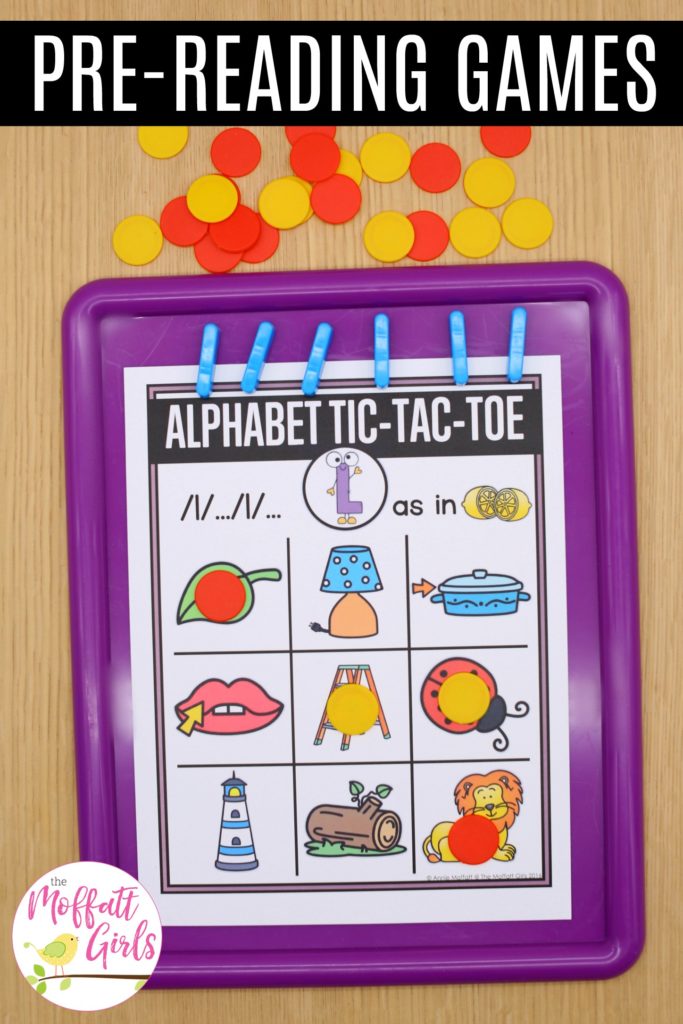
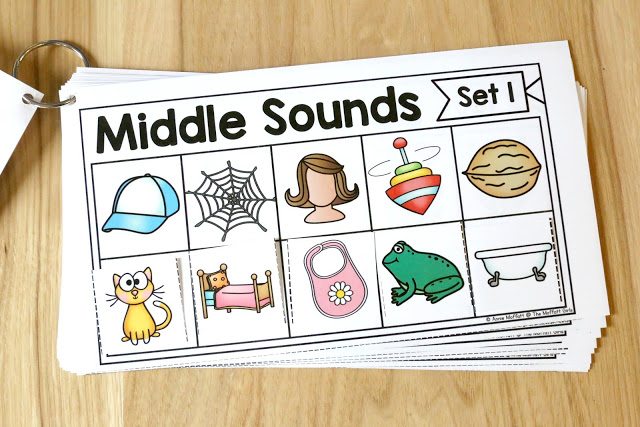
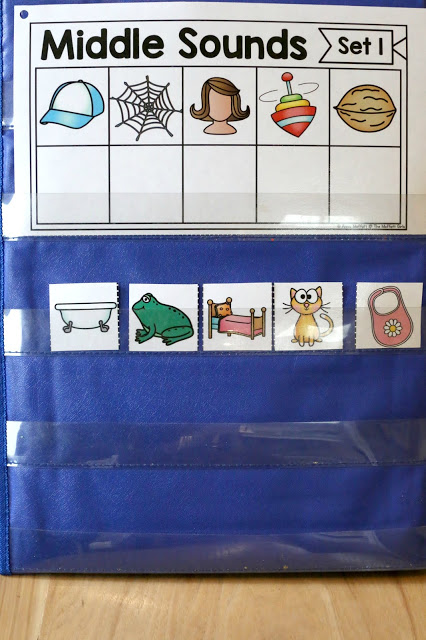
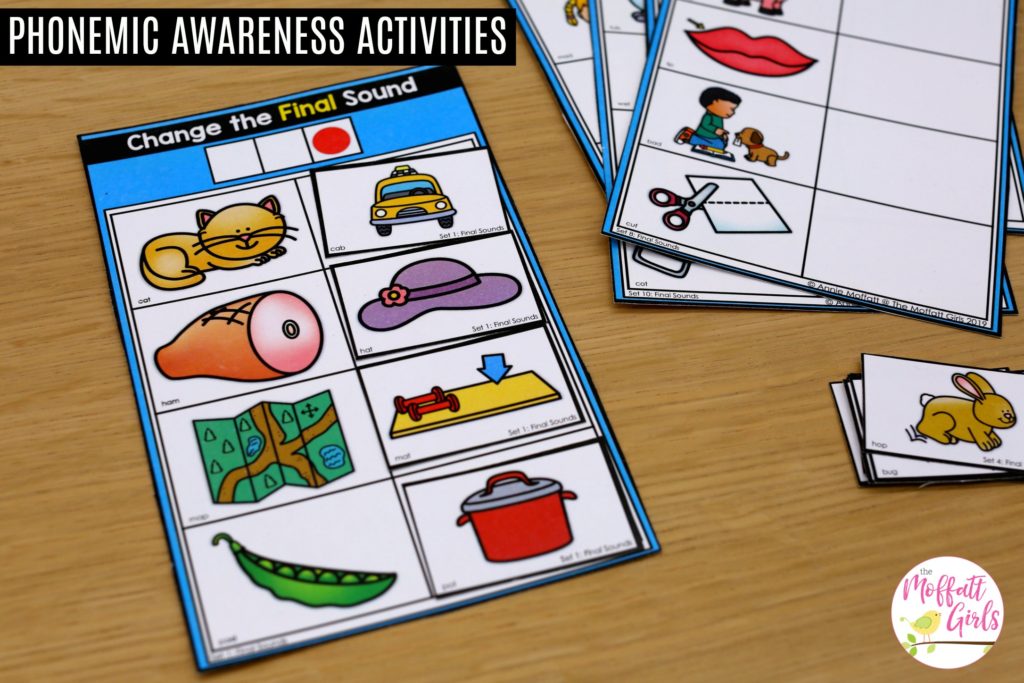
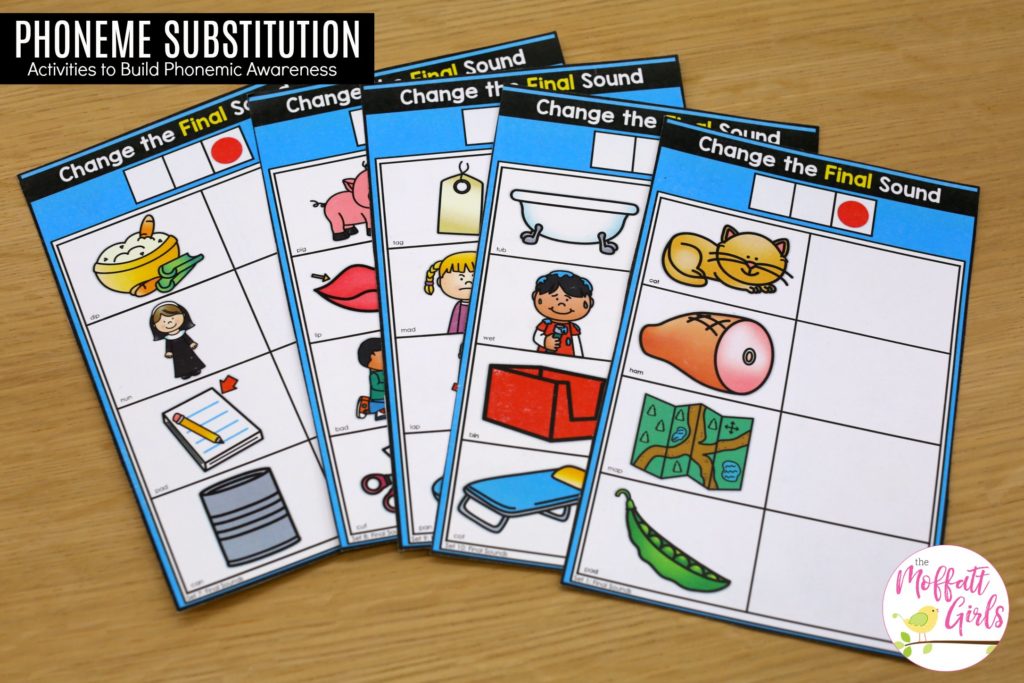
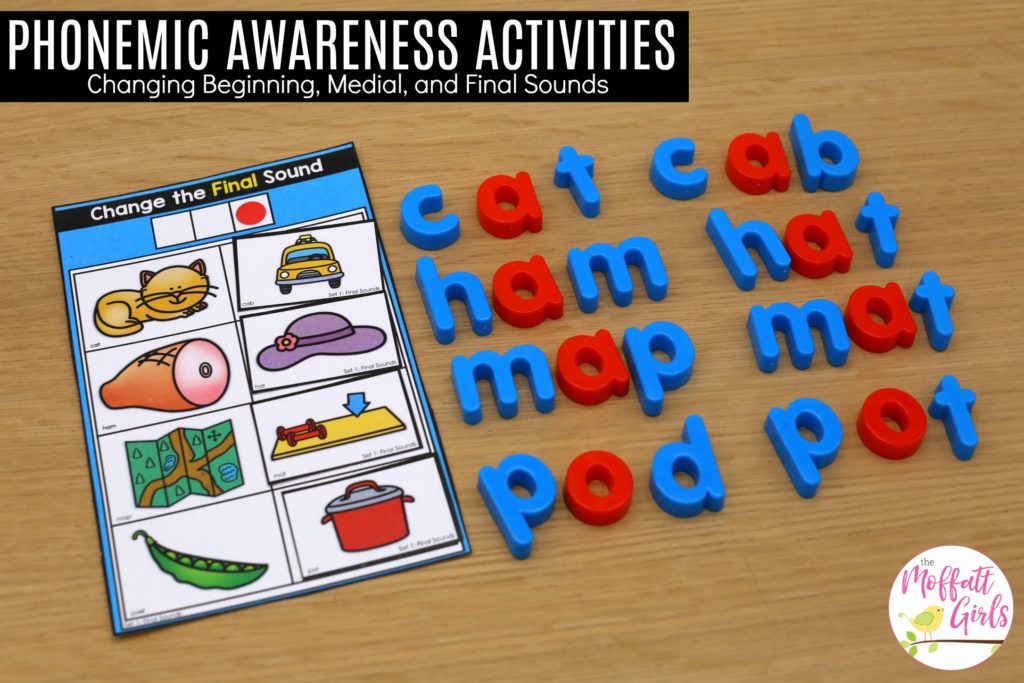
When beginning readers start to read, they often delete the ending sound and make up their own sound. For example, if they see (or even sound out) the “ca..” in a word, they automatically assume that it must be the word CAT. They don’t take time to sound out the ending sounds. Beginning readers often make up words as they go. However, by strategically focusing on ending sounds, you can eliminate this problem, and help students to hear the ending sounds in each word. By focusing on this skill of isolation sounds, you are helping to prepare a student to read successfully and with a lot less struggle. You are laying a foundation for success when they start to learn phonics.
For the ending sounds packets, you will need 2 file folders.
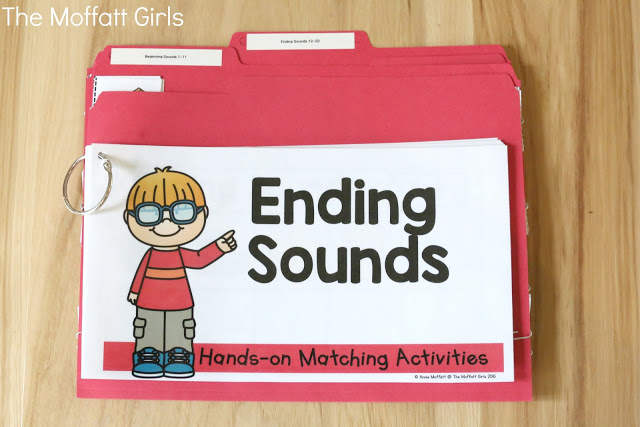
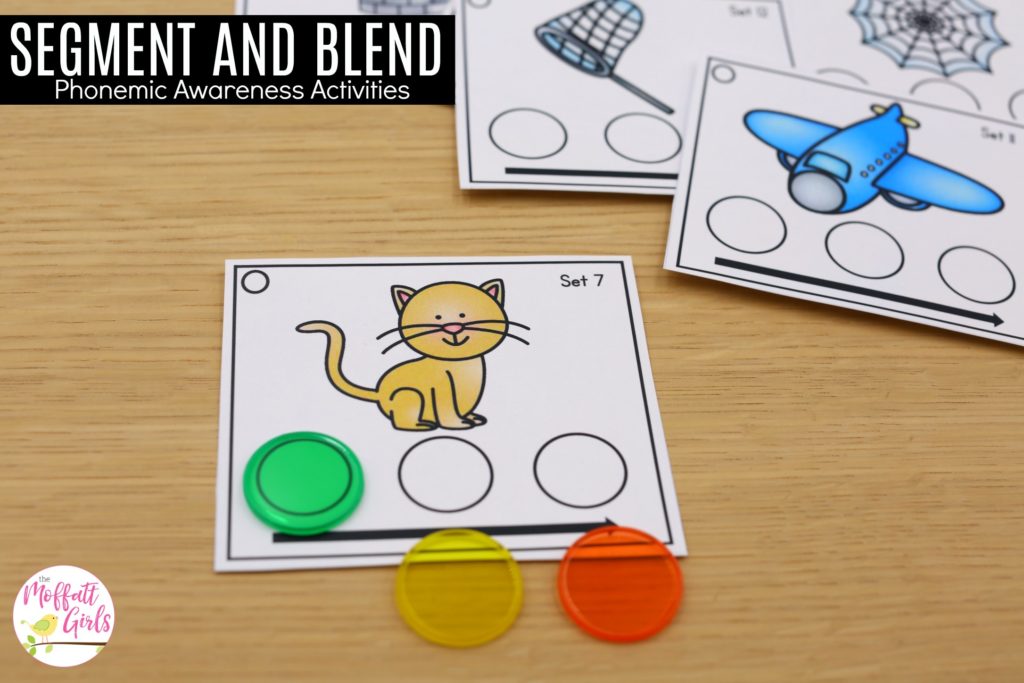
This is a FUN packet to work with as students use hands-on manipulatives to hear each sound and blend the sounds together. This task really helps set students up for success when it comes to phonics and sounding out words. I like to use these counters when segmenting and blending sounds in a word.
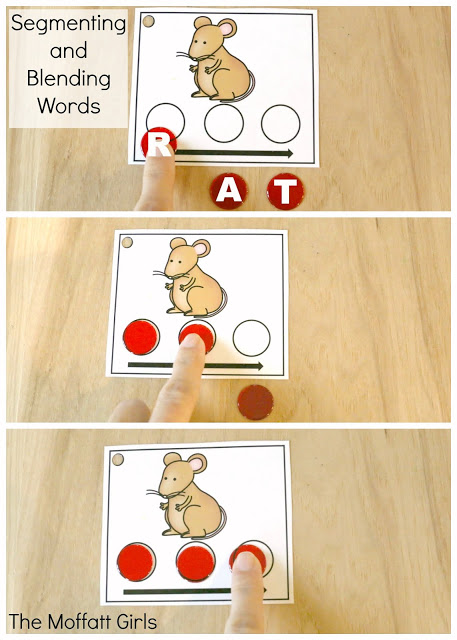
This is a picture of a rat. Even the word mouse would work.
The word rat has three sounds /r/ /a/ /t/….rat.
Students put a counter up for each sound they hear. This helps them isolate each sound in the word. If there are 3 circles, that means they must hear and isolate those 3 sounds. This really helps students to SLOW DOWN and isolate every sound.
Once they finish pushing up the counters for each sound, they sweep their finger across the arrow to blend the word.
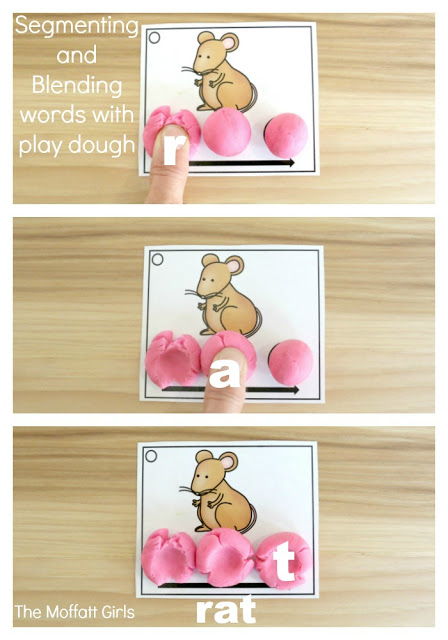
 The same thing can be done with play dough. All in all, having a child use some sort of manipulative helps the learning becomes more kinesthetic and hands-on. Notably, the physical aspect helps the brain connect what they are learning.
Begin by having students make a playdough ball for each circle on the mat. As they segment the phonemes (sound out each sound), they smash a ball.
It’s FUN, they like doing it, and they are really forced to hear each sound!
SUPER EFFECTIVE!!
Once again, they would use the arrow to sweep and blend the sounds to make the word.
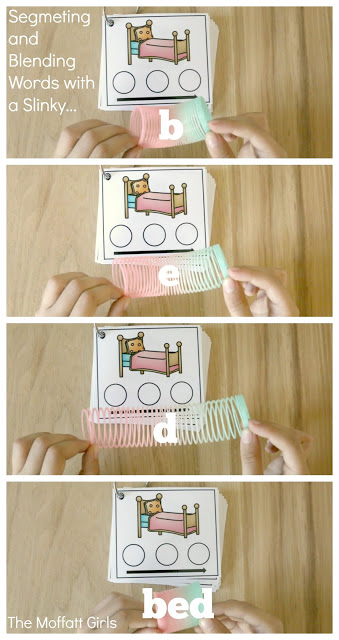
 One of my favorite ways to segment words and to blend them is with a slinky.
Not only are these activities great for developing phonemic awareness skills, but it also helps students build spelling skills.
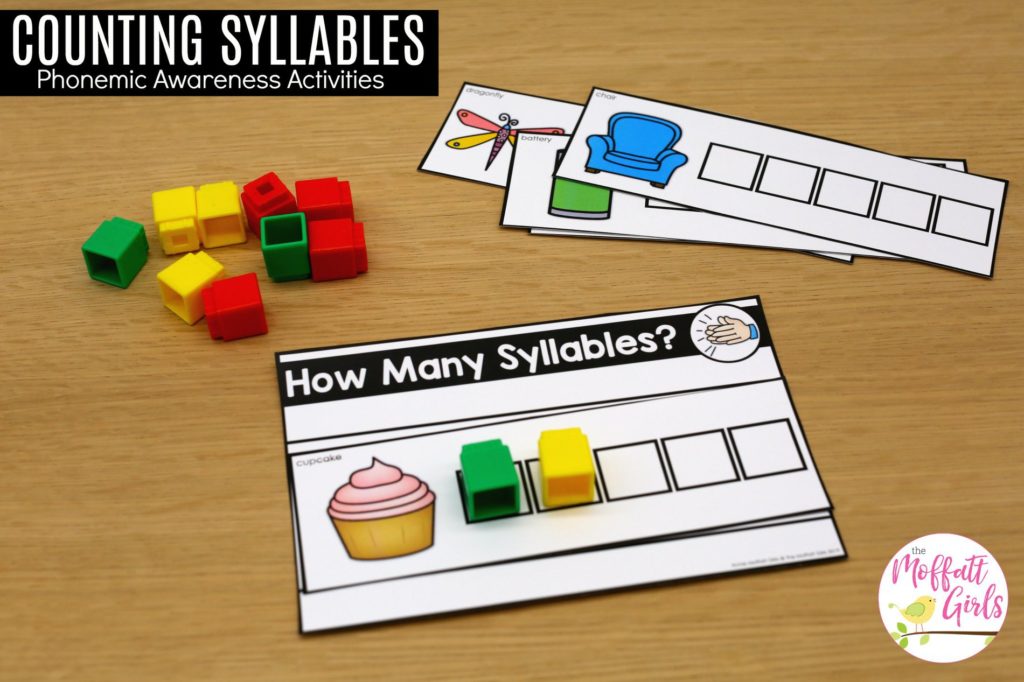
This packet works with words that have 2, 3, 4, and 5 phonemes (sounds).
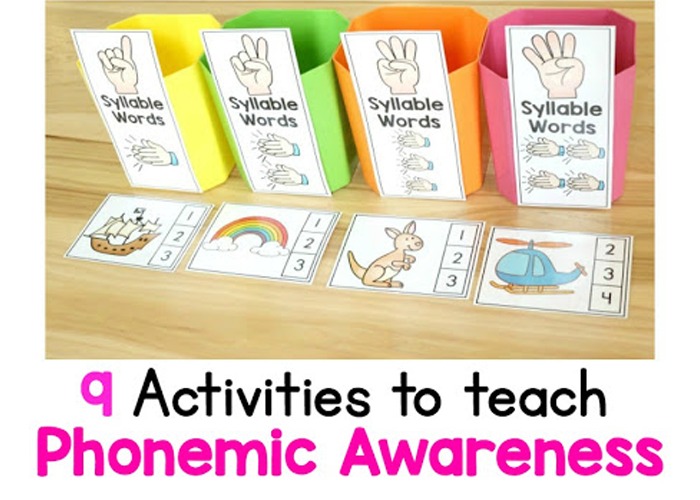
The Counting Syllables Sorting and Clip Cards are similar to the Visual and Tactile packet, except this activity include numerals to note how many syllables are in the word.
Option #1
Sort into containers by the number of syllables.NOTE: If students are struggling to hear the number of syllables in a word, have them place their hand under their chin. The mouth will open and the jaw will drop with each syllable. Once the student feels the jaw tap their hand, they know that is one syllable sound.I use four containers to sort the syllable cards.
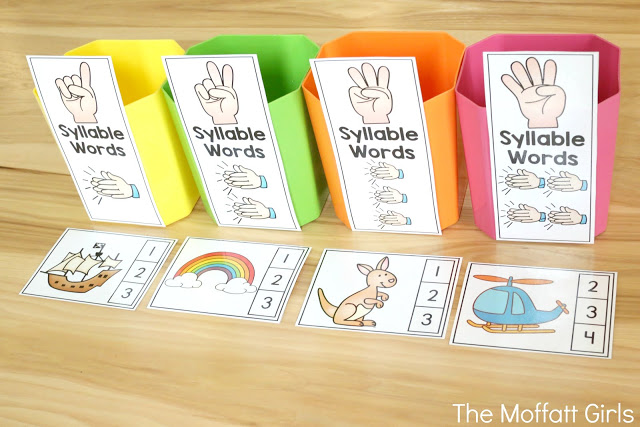 Option #2
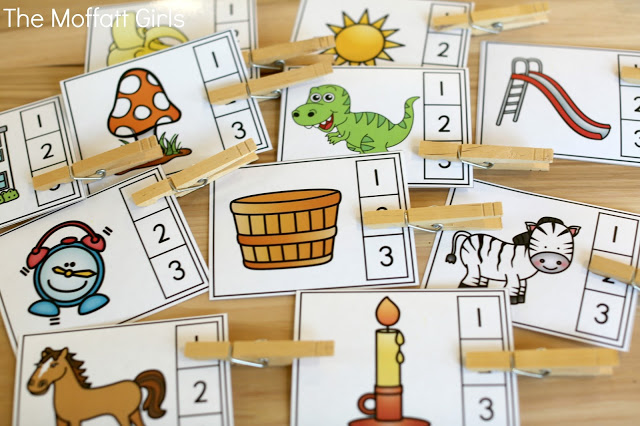
Use clothespins to clip the correct number of syllables for each picture.
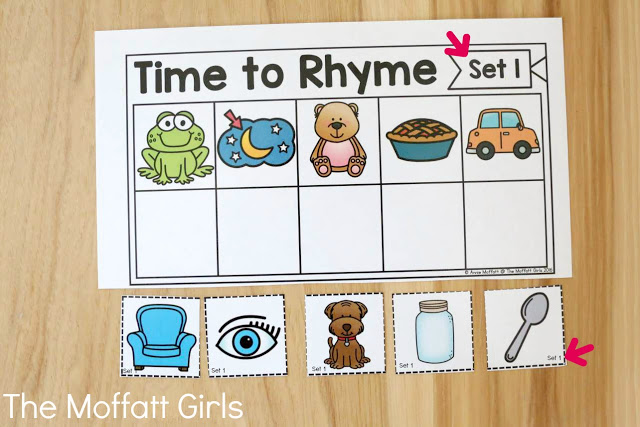
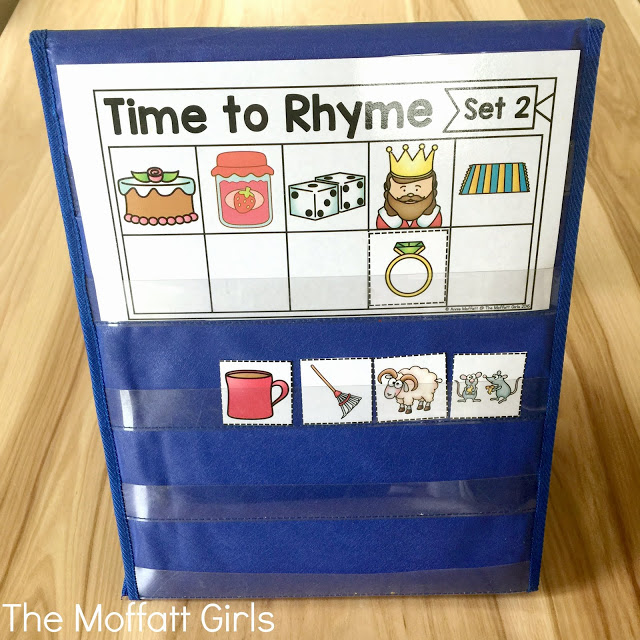
I like to use the pocket chart with this activity as well.
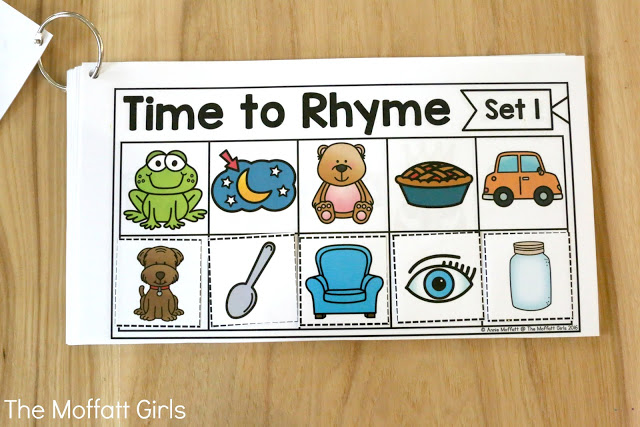
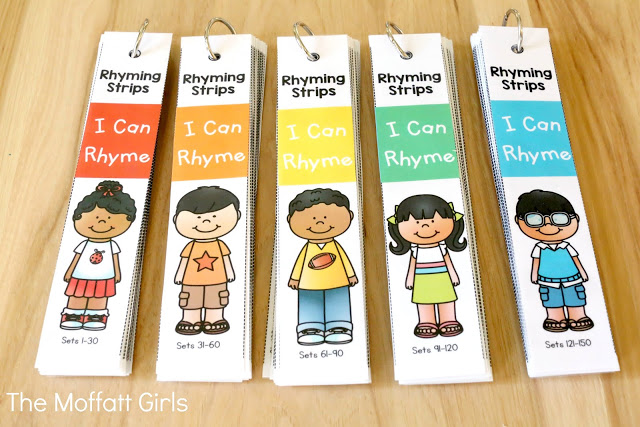
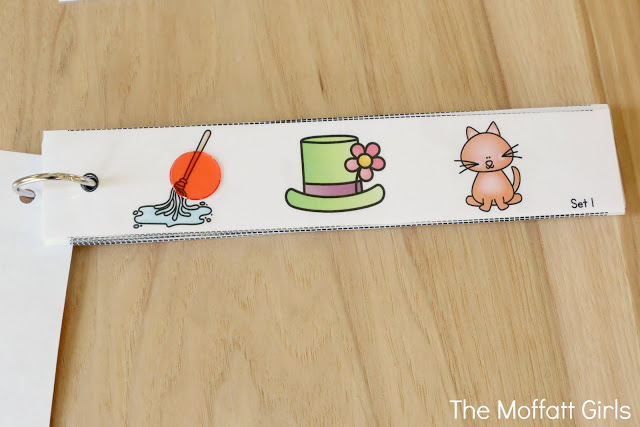
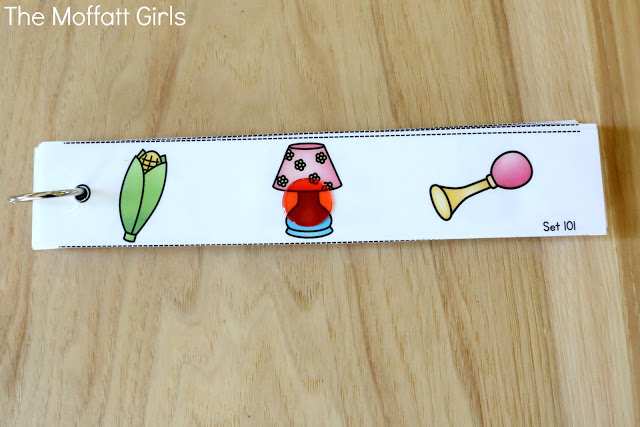
It tells you what the pictures are and which one is the odd one out.
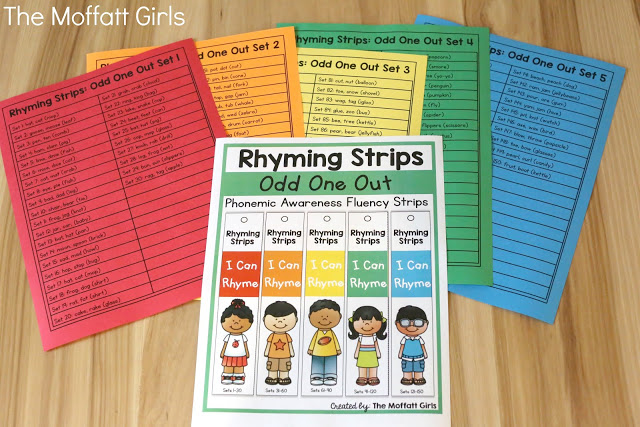
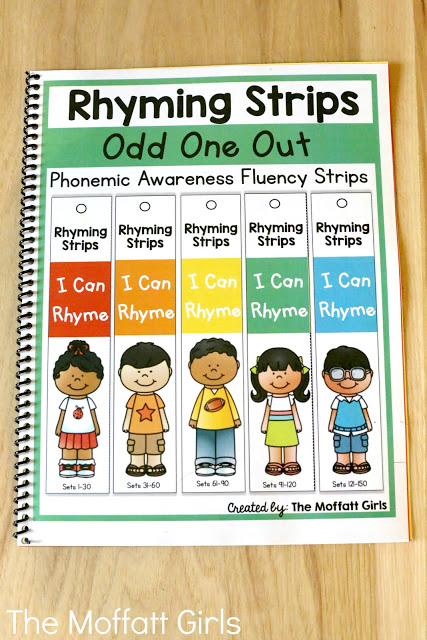
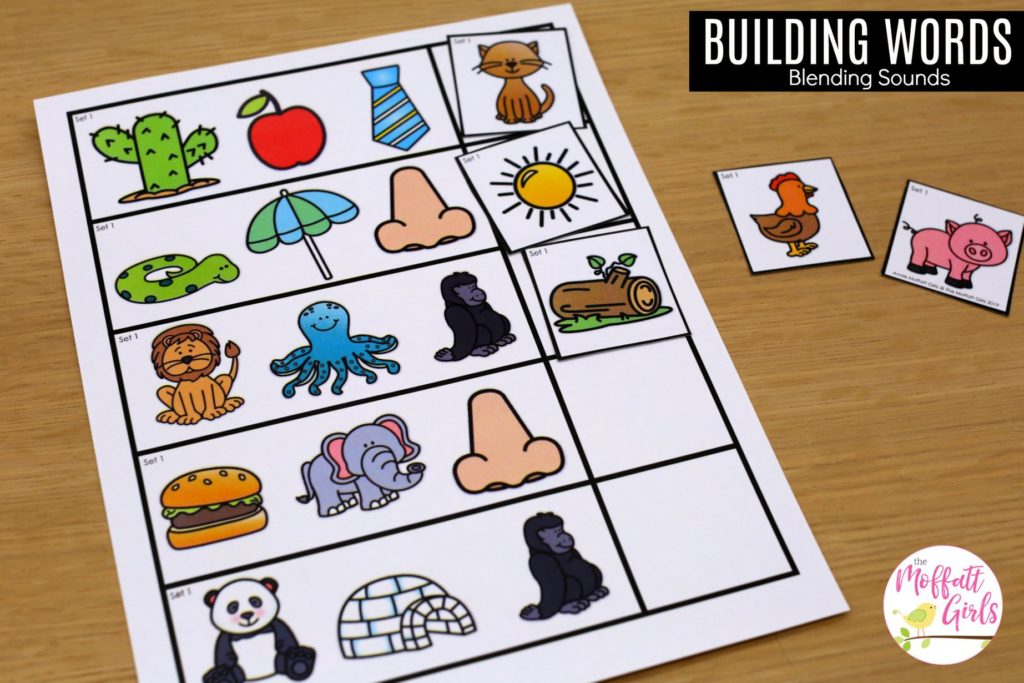
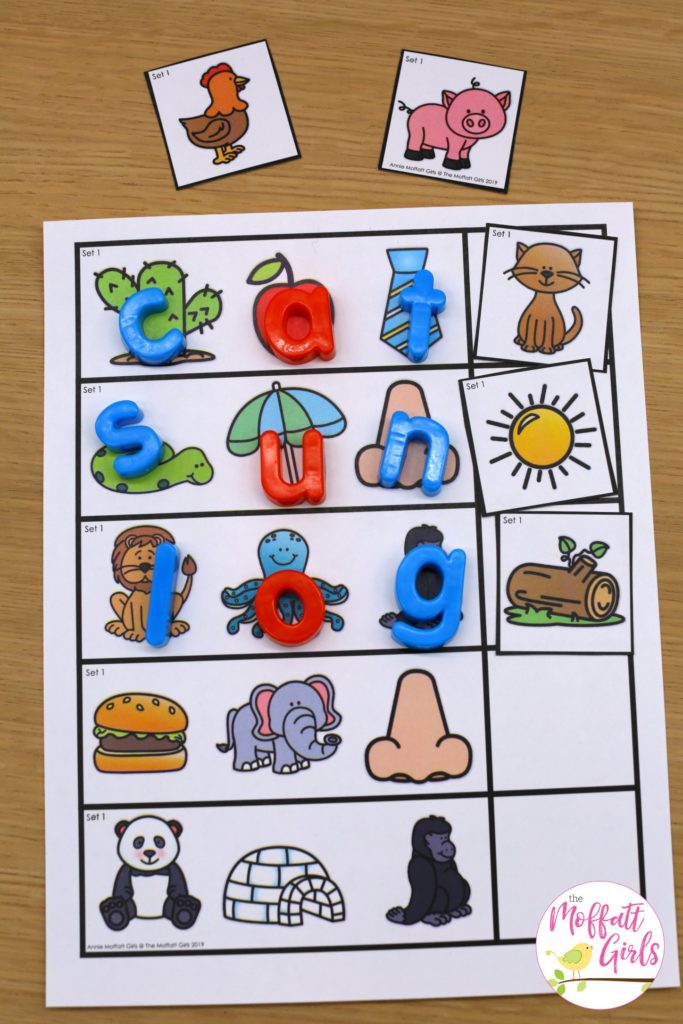
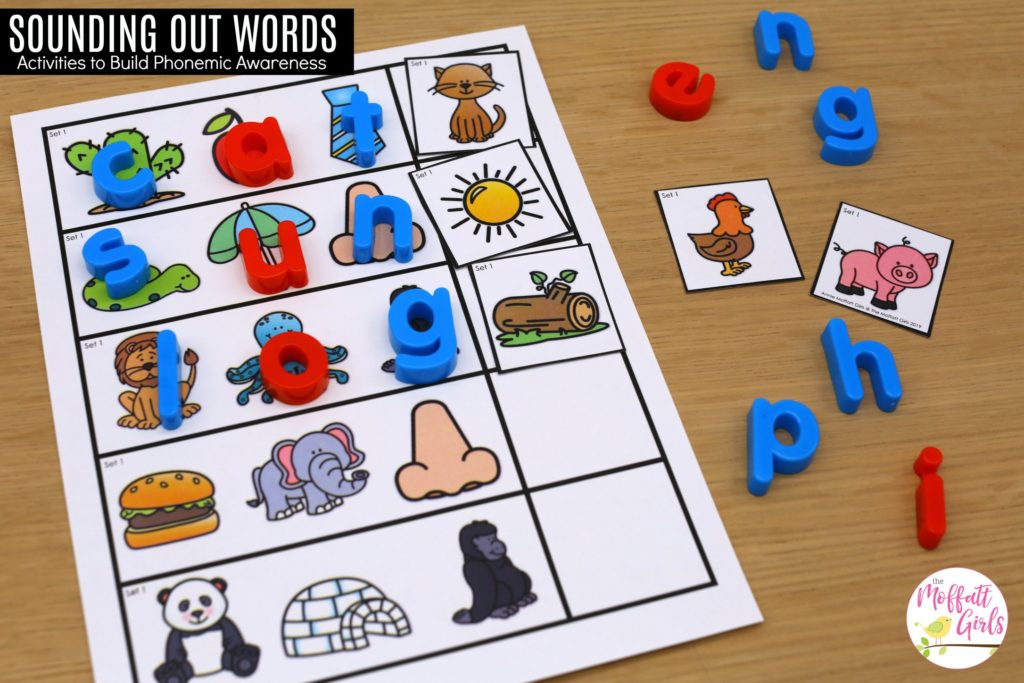
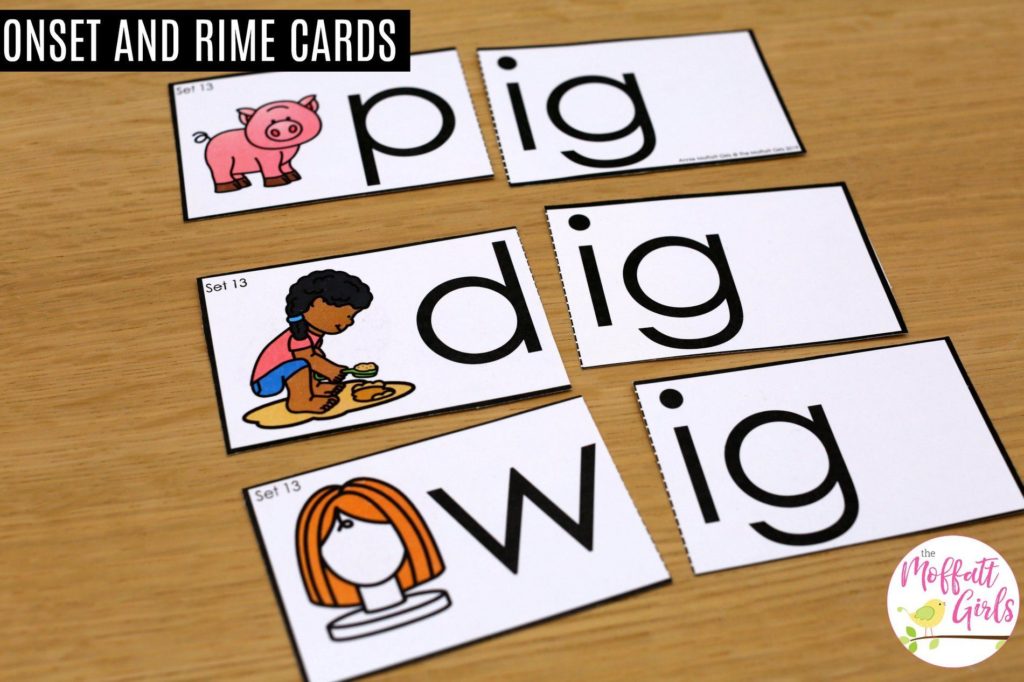
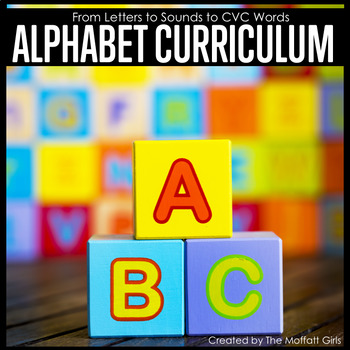
After the Alphabet Curriculum, here is the next stop:
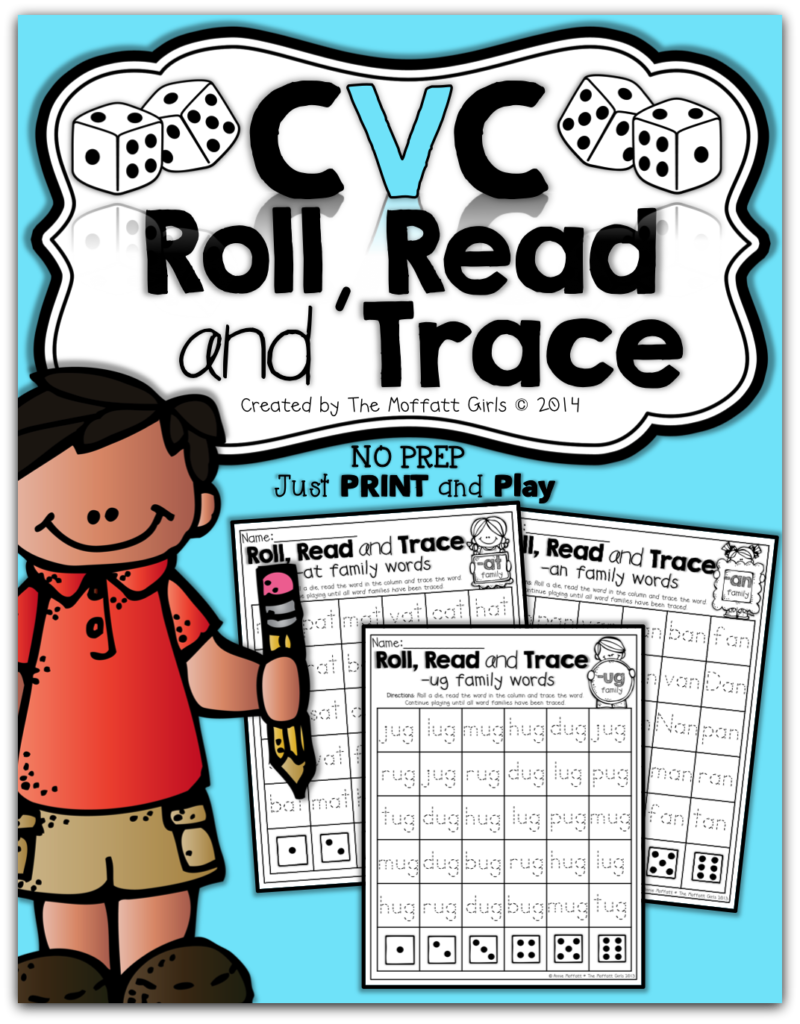
CVC Word Families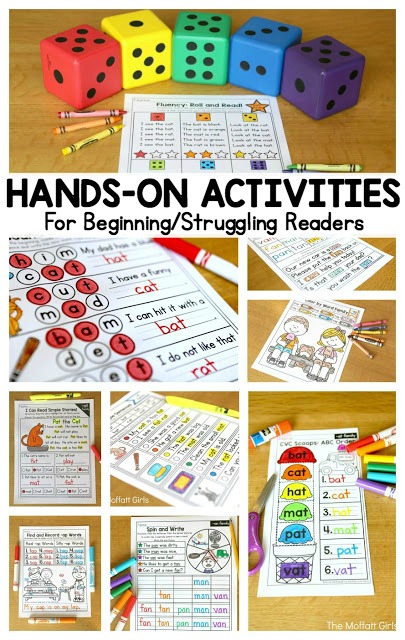 Learning to read should be such a special time for kids!
Keep enjoying the journey!
Please feel free to reach out to me if you have any questions.
Annie
Share this:

Annie Moffatt
Annie Moffatt is a former elementary school teacher and homeschool mom with a passion for helping young learners thrive. With a background in early education and a heart for making learning fun, Annie designs engaging, low-prep resources that build confidence and success in the classroom. Her hands-on, kid-friendly approach has supported thousands of teachers and parents around the world in creating joyful learning experiences for their students.
This post is full of great useful ideas. Thank you for sharing your knowledge.
You have so many great ideas and products. Such creative things to do.
Awesome
Awesome
I purchased the bundle and LOVE it! Is there anyway I could get a copy of the "cover" for my file box?
Hello
I was recently referred to your site by a seasoned homeschooling. I love this post and plan on buying the entire package. Can you please tell me how you teach the oo, qu,ee and etc. As these groupings of letters sound differently.
Thank you,
A new fan
Hi,
I am a brand new Kindergarten teacher and I am so thankful to have come across your posts. I have already purchased several of your TPT products. Thanks for making this process of information a lot simpler. Wish me luck!!!
Hi Pamela!
Congratulations! I am so happy to hear that this post is helpful!
Thank you so much for your kind words!
Annie 🙂
So many great ideas and useful tips. I plan on purchasing this bundle.
This is amazing, they you for the organizing tips, too. That is half, or in my case 3/4 of the battle.
Do you have more directions on setting up the kit or is it just each of the numbered sections above are the files in the kit?
I have been on Teachers Pay Teachers and cannot figure out how to purchase your stuff!
I wish it wasn’t so difficult to order!
My daughter, who lives out of state, has purchased your products.
I cannot see any place to Oder! So SAD!
Love your stuff that I have seen.
Disappointed,
Lynn McPherson
Hi Lynn,
Here is a link to a post on the Help Center that shows you how to create an account and purchase materials: https://www.teacherspayteachers.com/Help/About-TpT/How-do-I-download-or-buy-TpT-resources
I hope this helps!
Kindly,
Annie
This article is very helpful. A good refresher and the set is perfect to use with younger students and those struggling.
This are really great ideas!
This is amazing!! I always need more for phonemic awareness!!!!
This is an awesome resource!!
Thank you for posting this!
Where did you purchase the bin for the kit? I scanned the post and comments, but didn’t see if you mentioned it anywhere.
I am looking forward to using this. We homeschool and my oldest understood phonics a lot more than my current kindergartner. I am hoping this will help us!
Thanks, Laura
Hi Laura!
I can’t remember exactly where I got the bin from, but you can use a standard file folder box like this one: click here. That box should have enough room for you to include some of the manipulatives also. If you are short on space, you can get one like this: click here. I hope that helps!
Kindly,
Annie
Is the bundle a peg and we print it out?
I meant PDF
Hi Jocelyn,
Yes, the Phonemic Awareness Bundle can be purchased as a PDF and printed from home or school. Here is a link to where you can purchase and download the bundle: Click Here.
Kindly,
Annie
I LOVE this!!!! I am a Kindergarten Teacher and having your kit, all organized in once small space, sounds heavenly! Thank you so much for sharing.
Where did you purchase the library pockets? Can’t seem to find any.
Hi Ala!
I’m not sure exactly where I got them from, but I found quite a few on Amazon by searching “library card pockets.” Here is one that seems reasonably priced and is colorful: Click Here. I hope this helps!
Kindly,
Annie
I found the library pockets at Staples!
thank you for your wonderful ideas.
This is the best phonemic/phonics activities. I’m new in teaching and this will be helpful! Thank you for sharing this!
Hi Khanyi,
Thank you so much for your sweet words! Let me know if you need any help finding resources.
Kindly,
Annie
I have a 5 yr old boy I am starting 5k with at home. He still can’t identify each letter by name nor does he know the sound to all of them. Which kit should I start with? It looks to me like I could use this with some cvc word,/ reader books as his phonics instruction for 5k?
Hi Aubrey!
That’s a great question! I would move to the Alphabet Curriculum if you’ve already started introducing Phonemic Awareness. Here’s a link to the Alphabet Curriculum blog post: Click Here.
I hope that helps!
Kindly,
Annie
Hi dear Annie,
I just love your enthusiasm in teaching kids and your own daughters. I’m a full-time mom with three precious kids.I’m also a private English tutor. I’d love to use this material to teach my kids and my students as well. The lessons look fun and organized! I love that! However I’d love to know if this lesson is appropriate for kids who are not English speakers. I’m for Taiwan by the way. Are there any guidance or suggestions for young learners whose mother language is Mandarin. Which item(curriculum)would you recommend me to use? Thanks so much for your time!
Ps. My kids’ age are 2,5,and 7. Students are 3, 5 and 8.
Hi Vanna,
These activities would be great for non-English speakers as you are teaching them English. You can gage how quickly you move through the activities based on how easily they pick up the concepts.
I hope this helps!
Kindly,
Annie
I enjoy what you guys are usually up too. This sort of clever work and coverage! Keep up the wonderful works guys I’ve added you guys to my blog roll.
Dr.Ethix First Aid Kits Box
Im a classroom teacher turned stay at home mom about to begin her homeschool journey! love your products and plan to use your math and many of your literacy pieces for our curriculum. I love how you share suggestions on how to best organize the materials. Would you be able to share. A photo of what the time to rhyme folder storage looks like ?
Hello!
I just purchased the alphabet curriculm and phonemic awareness bundle. I read where you suggest to start with the phonemic awareness? Do you recommend going in the order of the lesson plans? Reason I ask is because I tried the rhyming lesson 1/ day 1 and my daughter was confused. She can recite her ABCs but can’t identify the letter nor sound yet. What do you suggest? It’s my first year to homeschool.
I read this blog post more than one time because this is very interesting article which you like to read again and again.
Good. Thank you for sharing.
Thank you for sharing this blog. This will help of me to increase my knowledge & more.
Aerospace Engineering
Aerospace Engineering Fees in India
Aerospace Engineering Requirements
Aerospace Engineering Subjects
Aerospace Engineering Salary
Aerospace Engineering scope
Aerospace Engineering Admission Process
I read your blog post, it was a good read. I really appreciate it
Hello Annie,
Before I start the phonemic awareness pack do you sell any materials related to learning the alphabet and sounds please?
Erica