




Spider Science Unit and Craft
Share this:
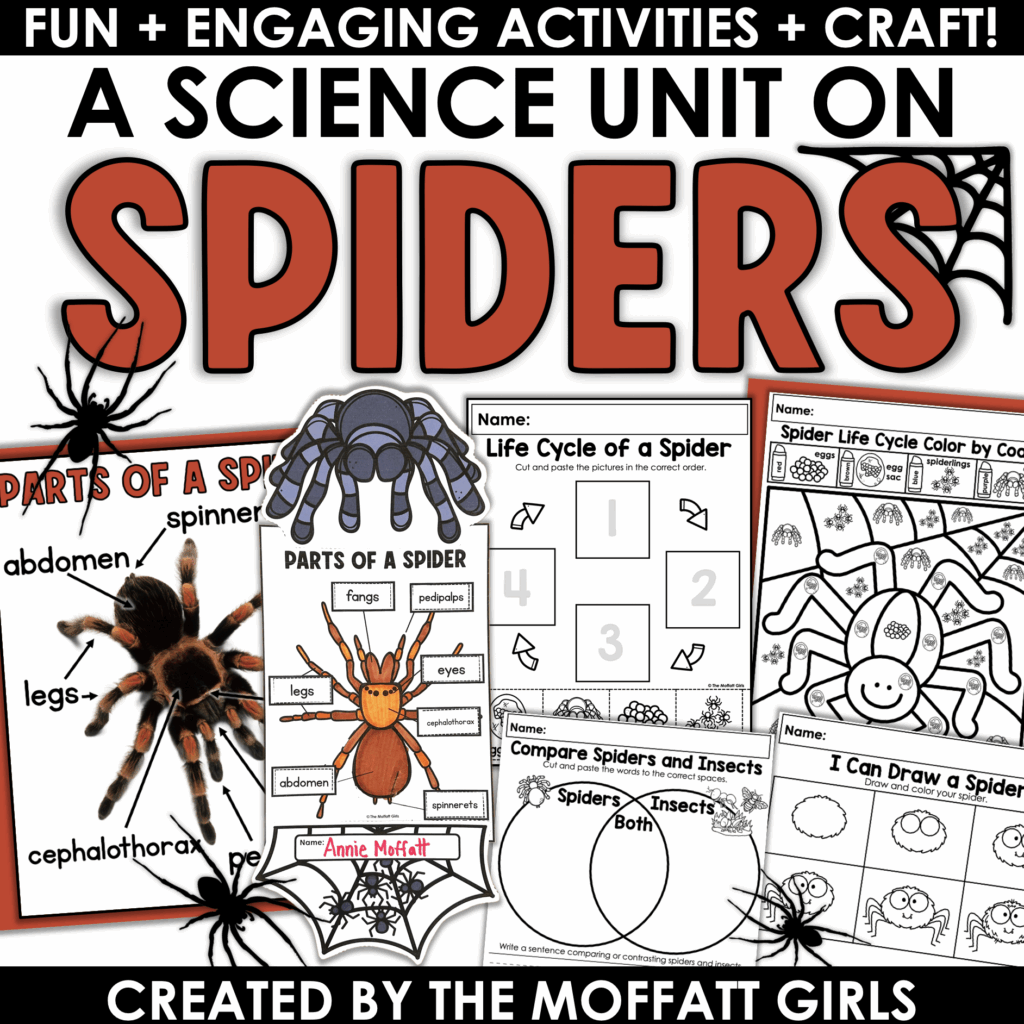
If you’re looking for a way to bring science, literacy, and creative thinking together in a fall unit, this Spider Science: Parts of a Spider & Life Cycle product is just the ticket. It’s packed with scaffolded, engaging, and easy-to-use materials that help students explore spider science in depth. Here’s how it all comes together and why it’s a fantastic choice for teachers and parents.
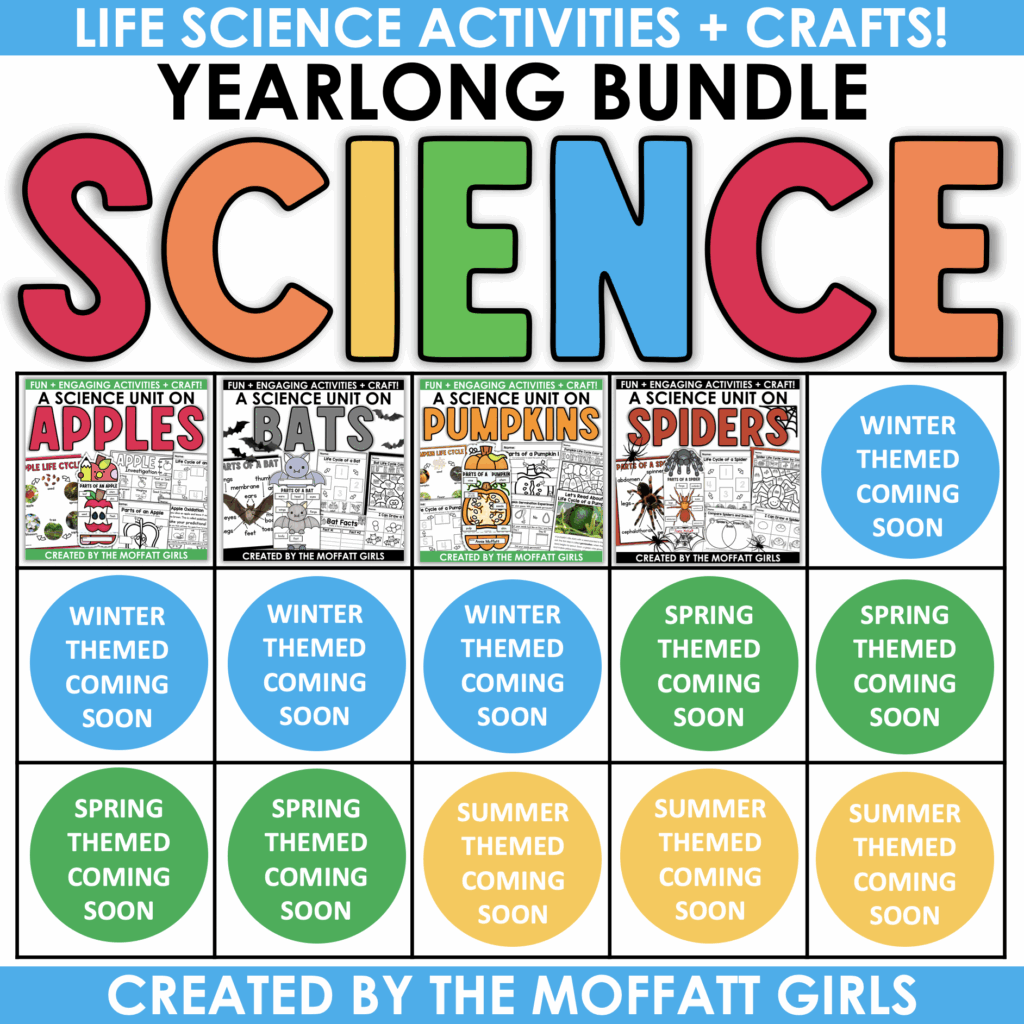
This Spider Science Unit is part of the Yearlong Science Bundle: Click Here.
What Makes This Spider Science Unit Shine
This unit isn’t just a set of worksheets. It’s a cohesive, cross-curricular spider exploration. Every component supports spider science learning and gives students multiple ways to interact with the content. You’ll find materials for science, reading, writing, art, and assessment all rolled into one convenient package.
Let’s break down exactly what’s included and how you can use it.
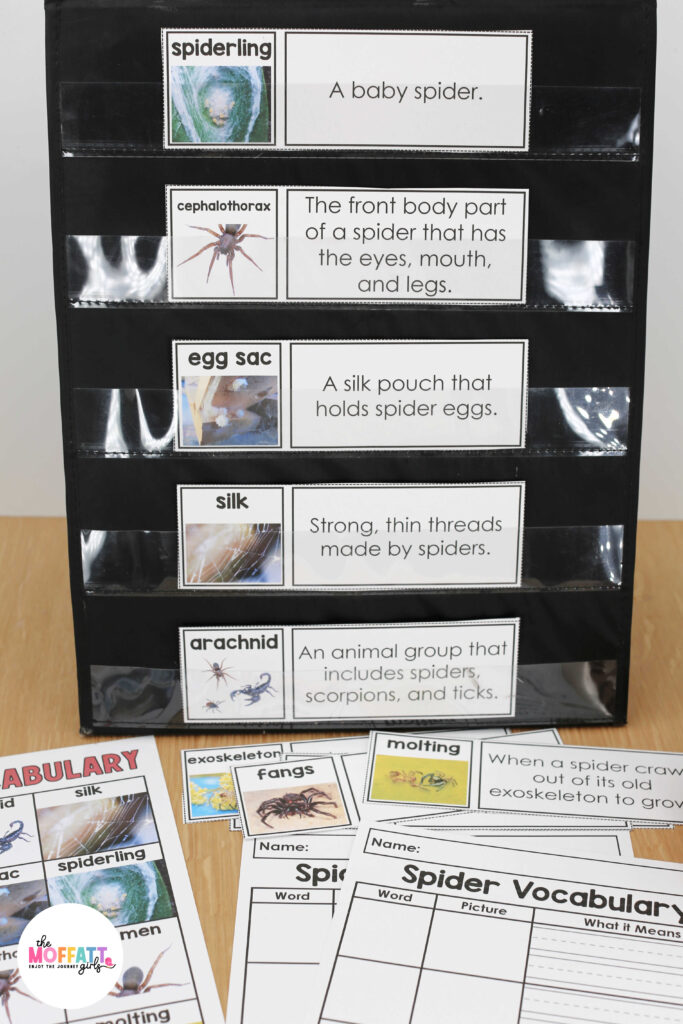
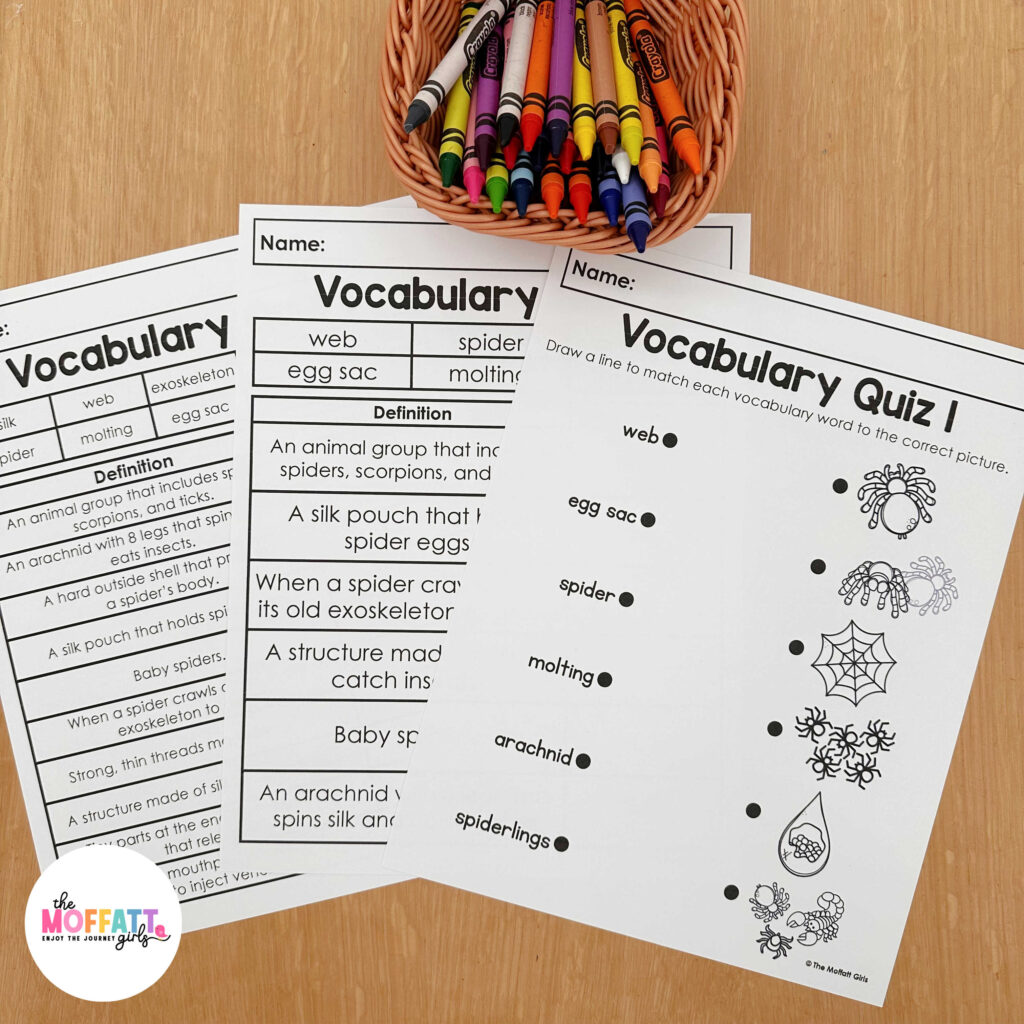
Vocabulary Practice
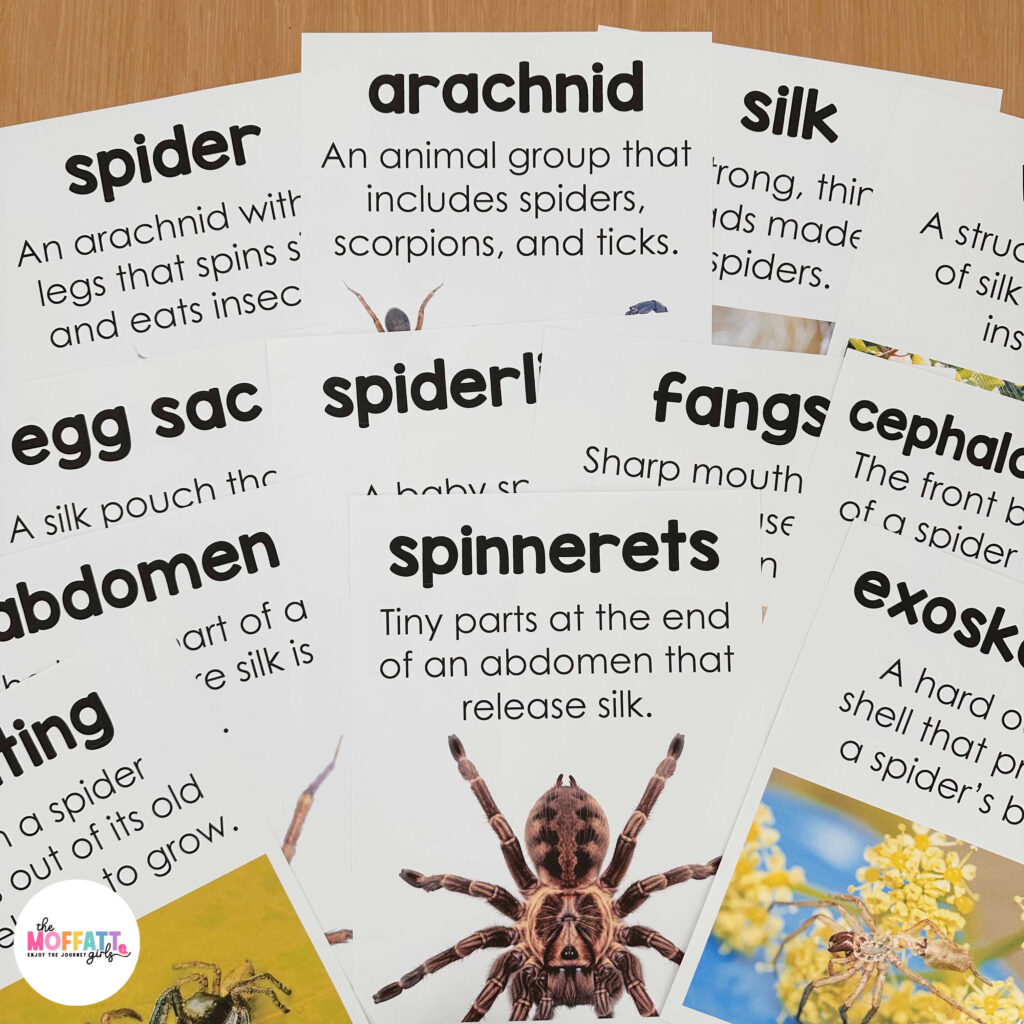
In any science unit, strong vocabulary is a must. This spider science unit includes vocabulary cards, word walls, and matching or sorting activities that introduce terms like arachnid, cephalothorax, abdomen, spinnerets, molt, and exoskeleton. These supports help students internalize scientific language and refer back to it during experiments, reading, and discussion.
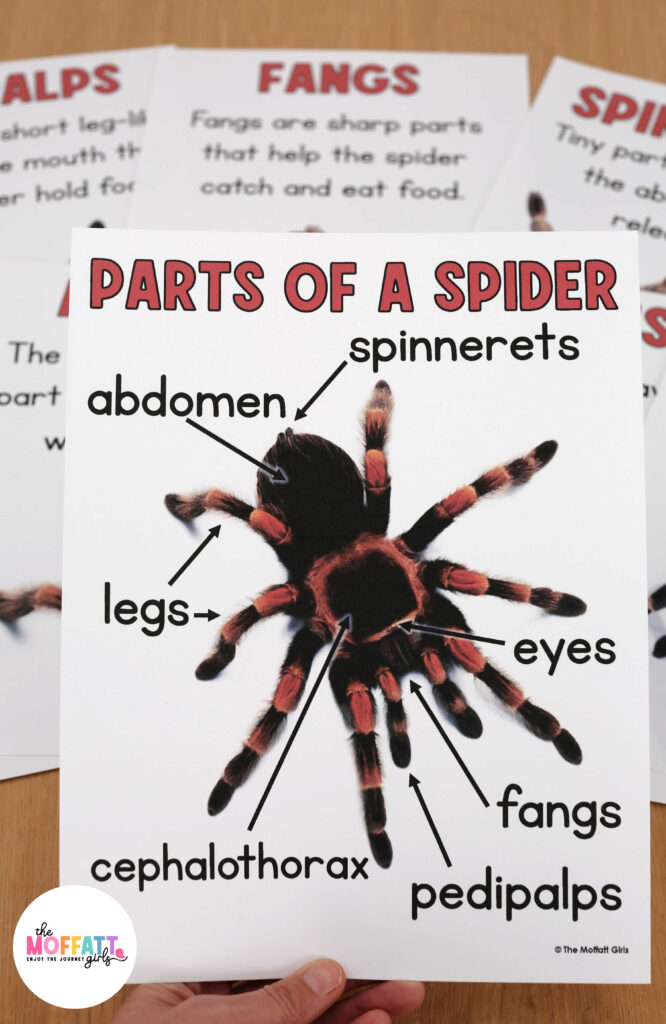
Parts of a Spider
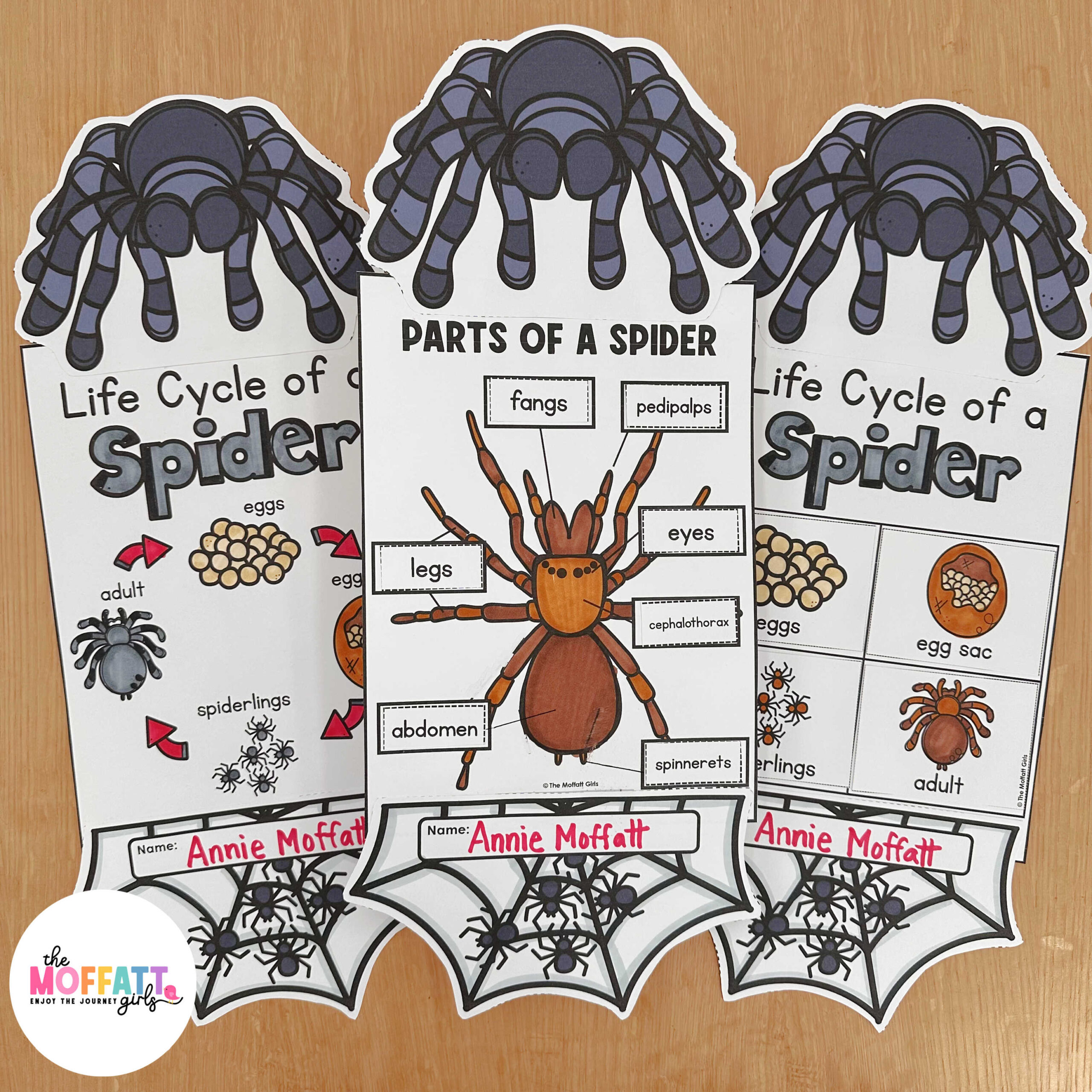
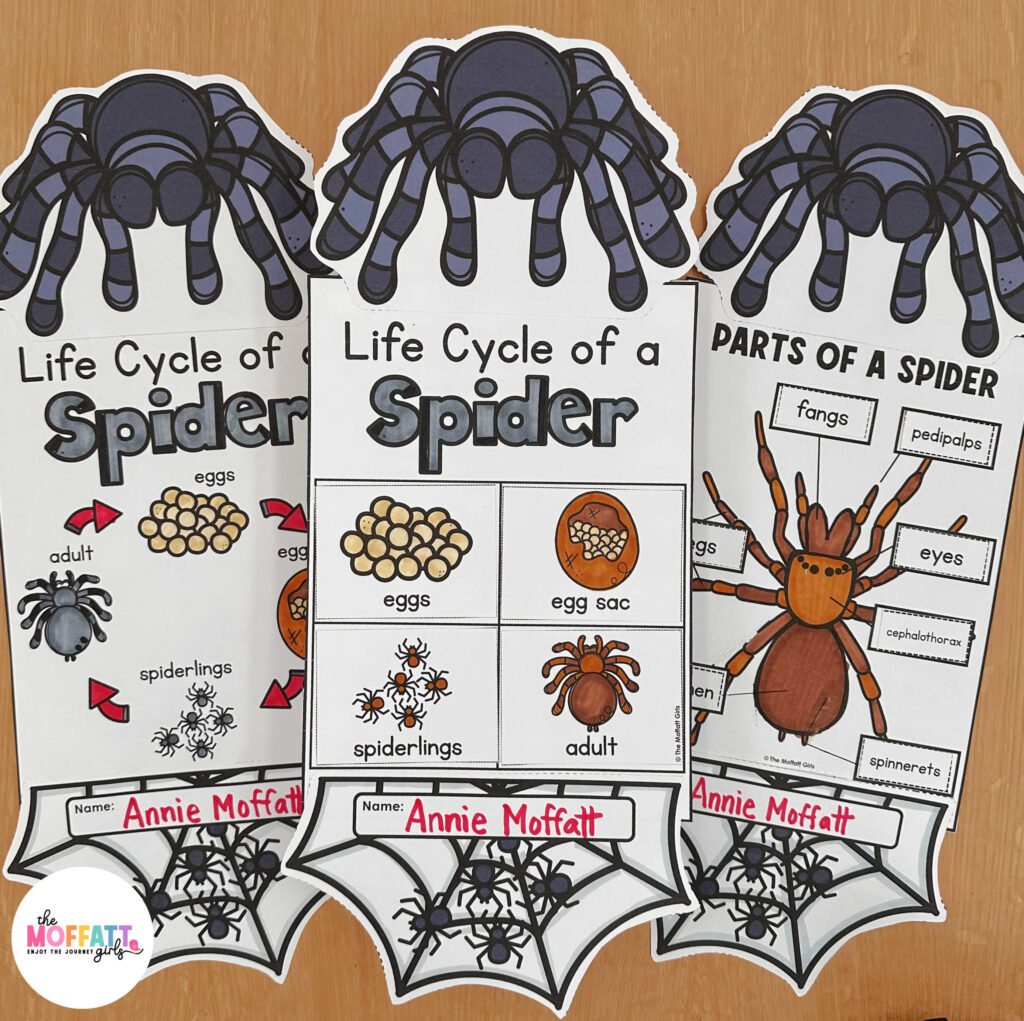
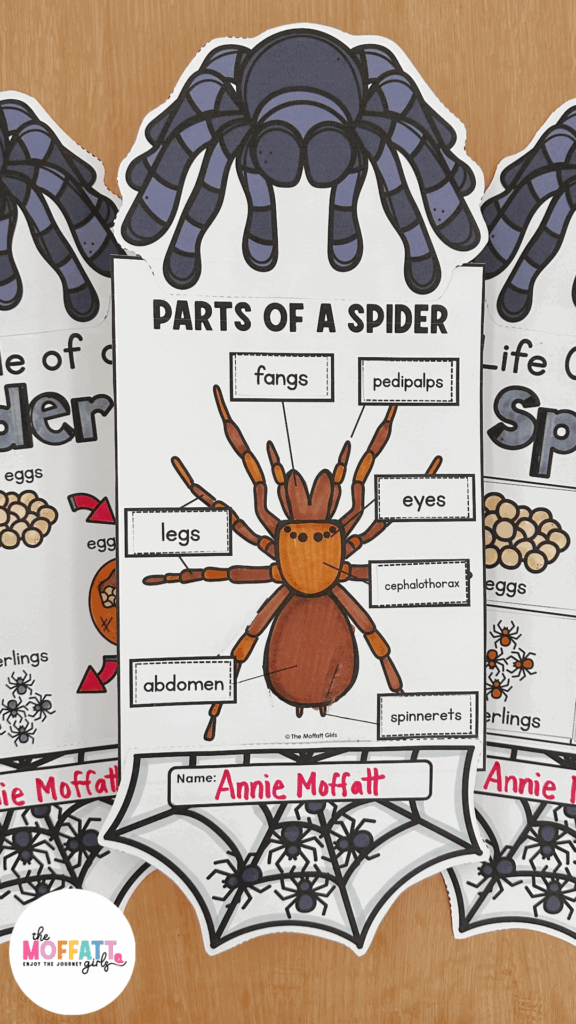
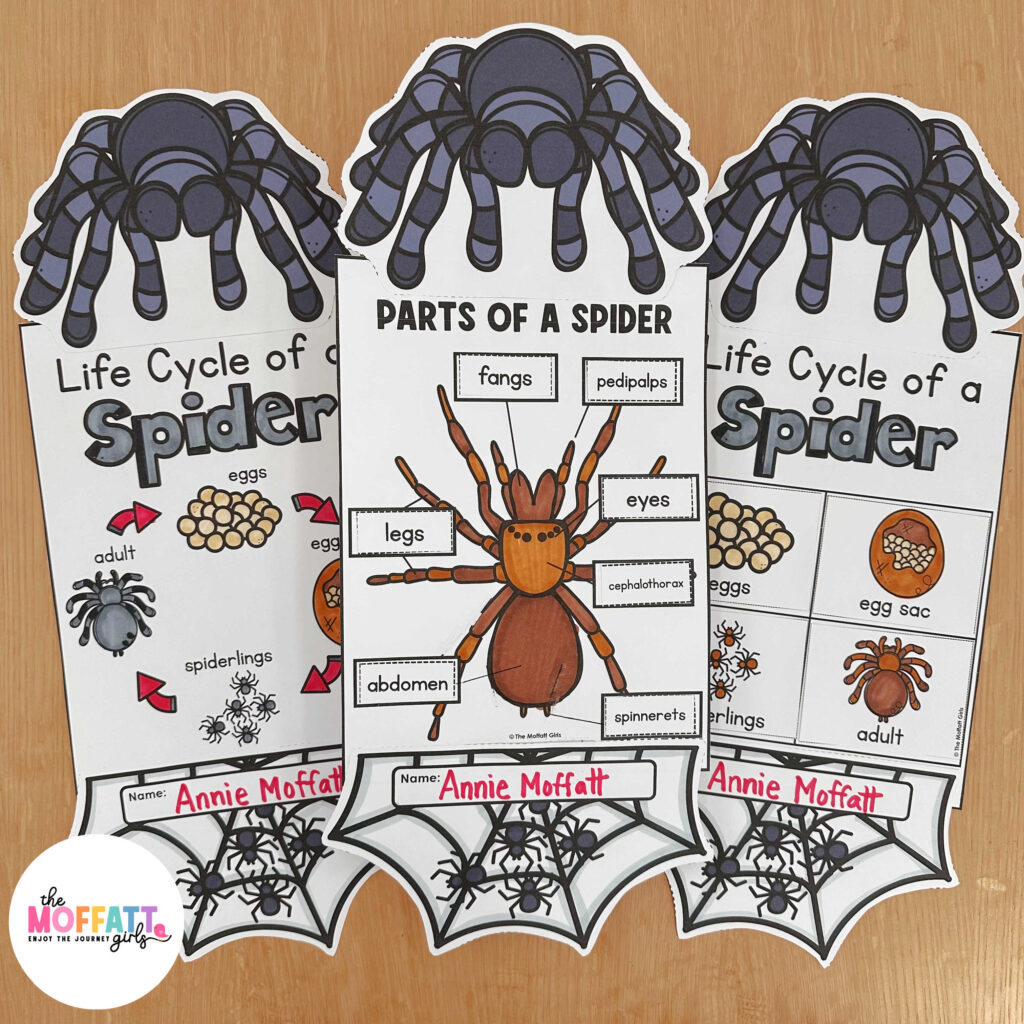
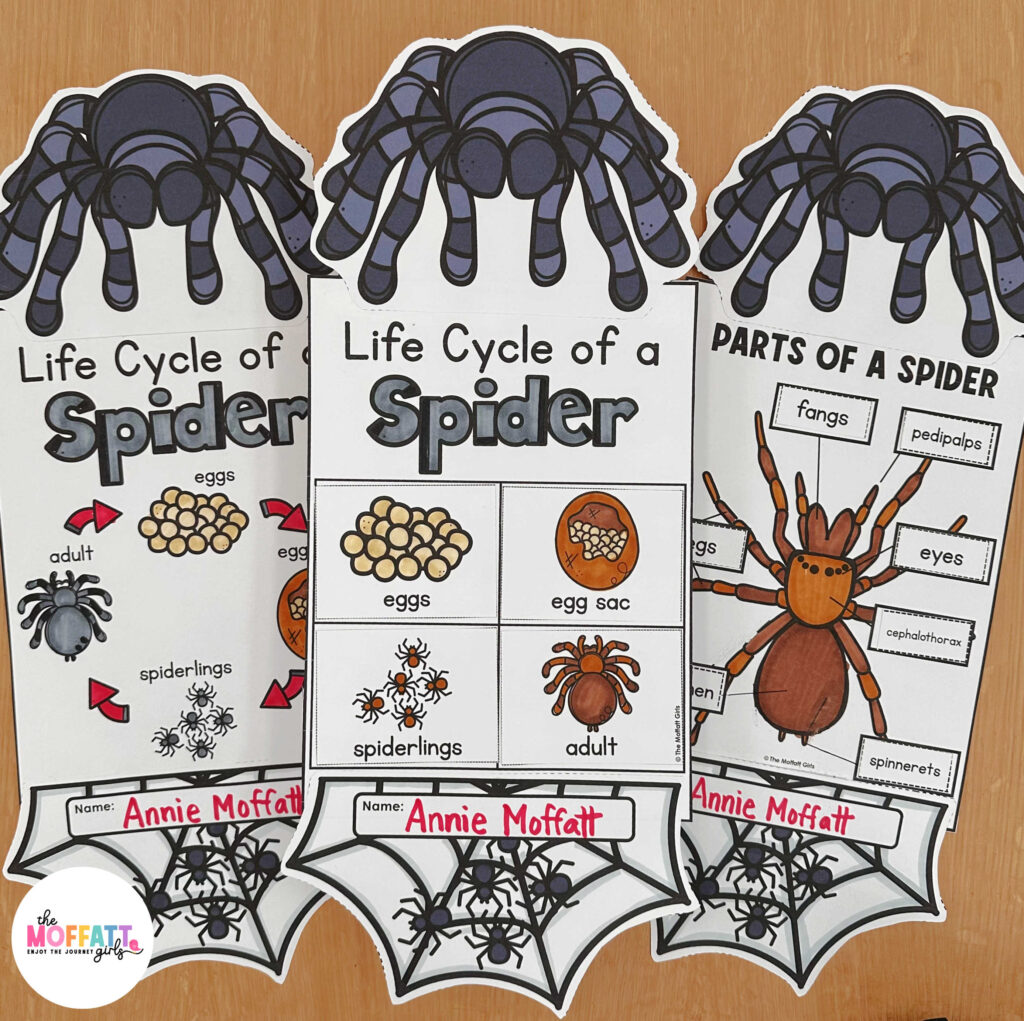
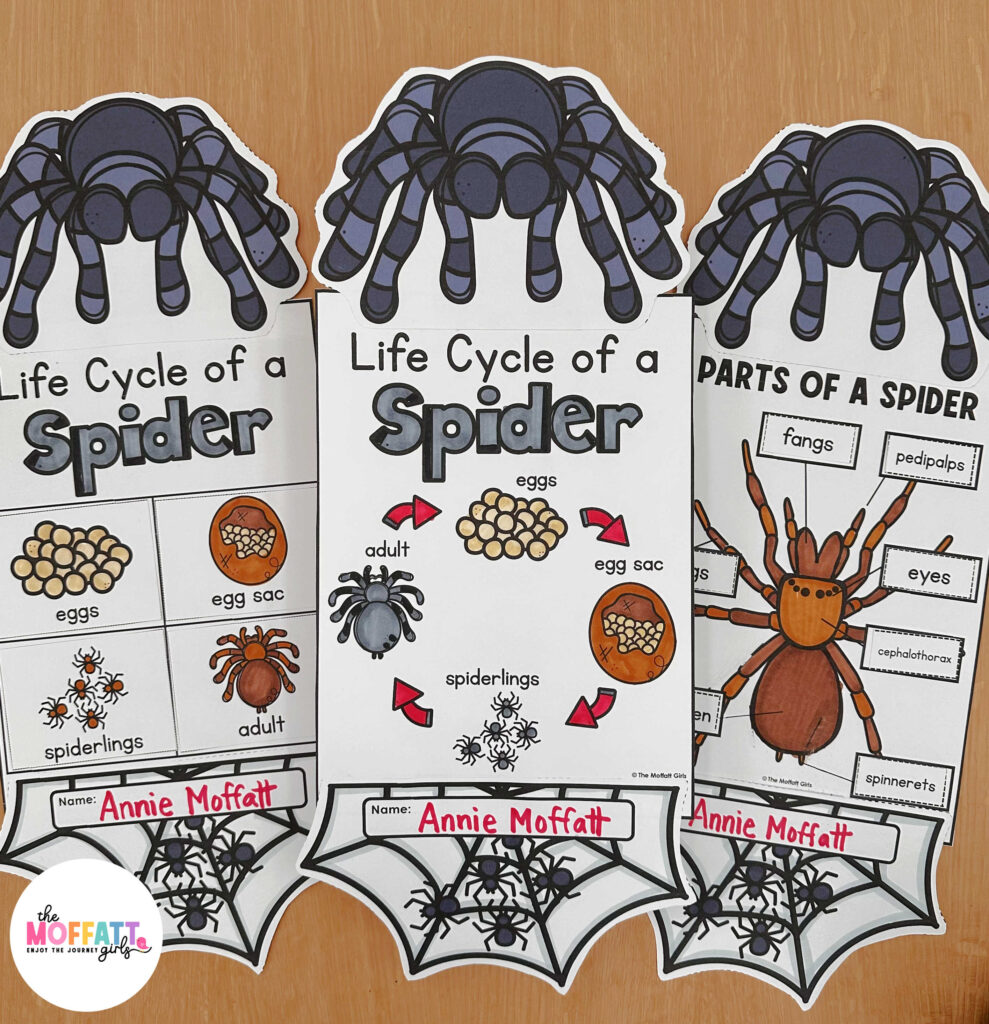
Before you dive into the life cycle, students learn the parts of a spider. With labeled diagrams, cut-and-paste sheets, and visual supports, students will explore features like the legs, body segments (cephalothorax and abdomen), spinnerets, pedipalps, and fangs. This helps them understand how structure relates to function, key in any spider science investigation.
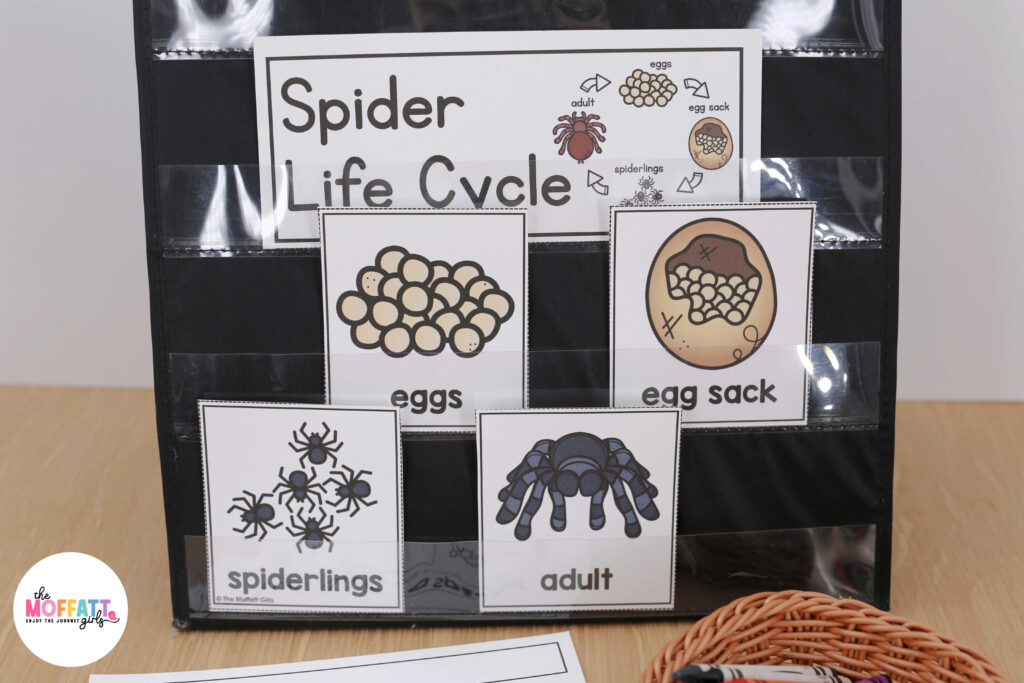
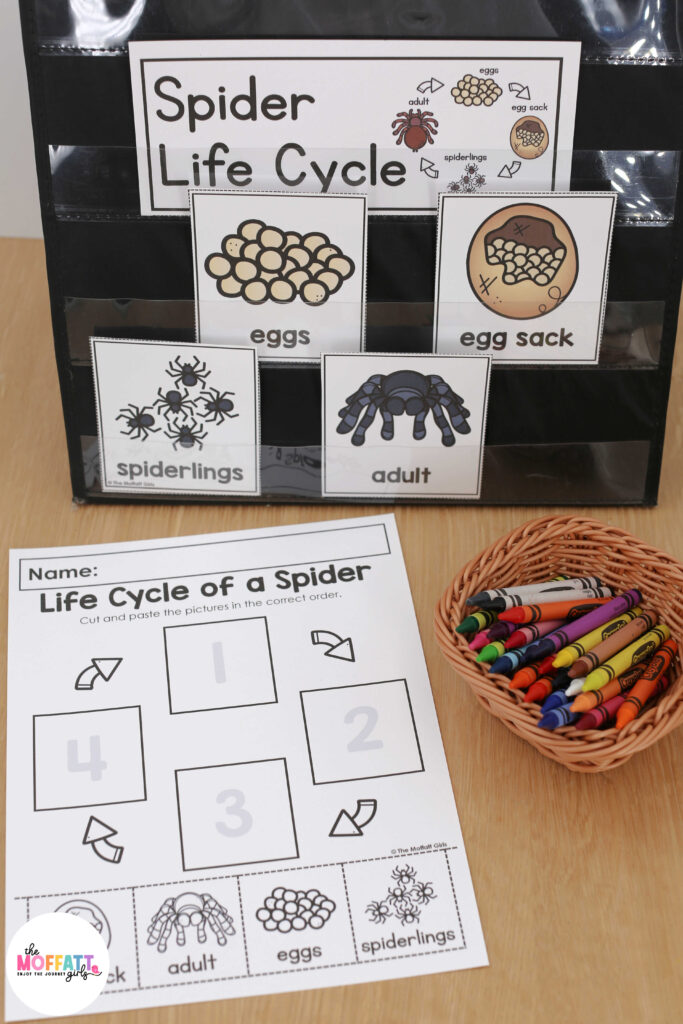
Life Cycle of a Spider
Students explore how spiders grow and change over time in the life cycle of a spider section. In general, spiders pass through four primary life stages: egg, egg sac, spiderling, and adult. The unit typically includes sequencing charts, mini books, and visuals to illustrate how spiderlings hatch, molt, and eventually mature into adults. This brings the concept of spider science full circle, showing how each stage leads into the next.
Reading Comprehension Passages with Questions
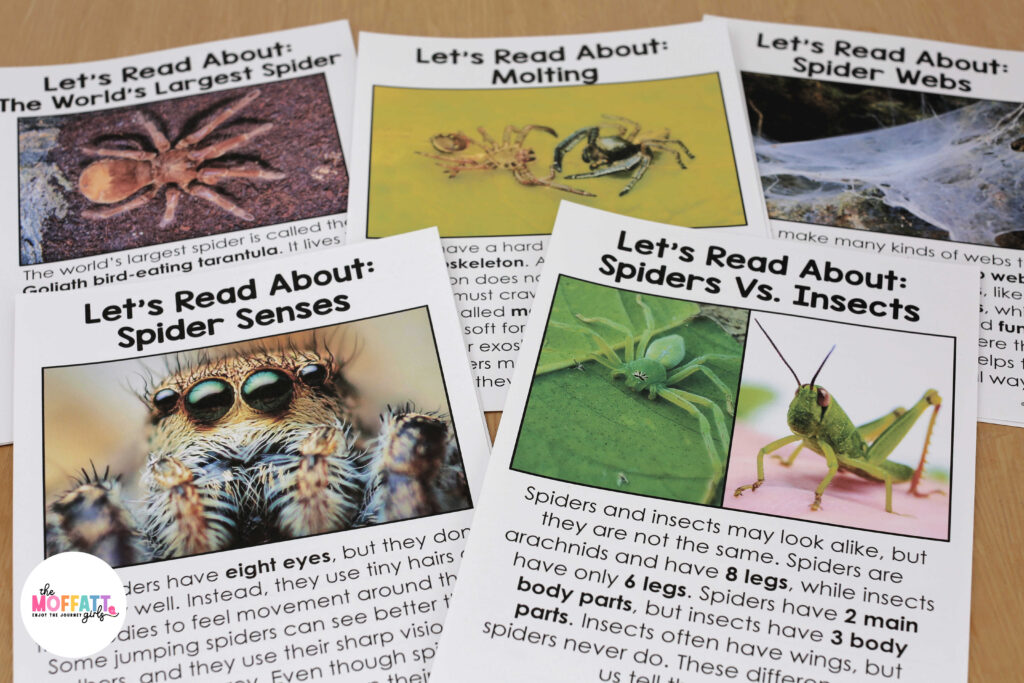
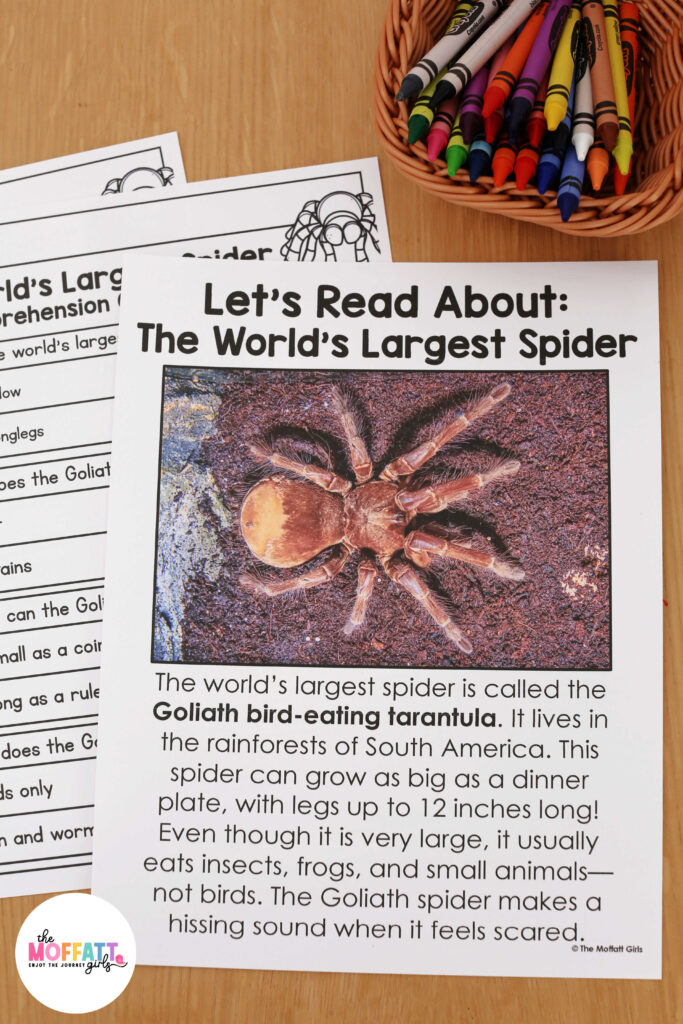
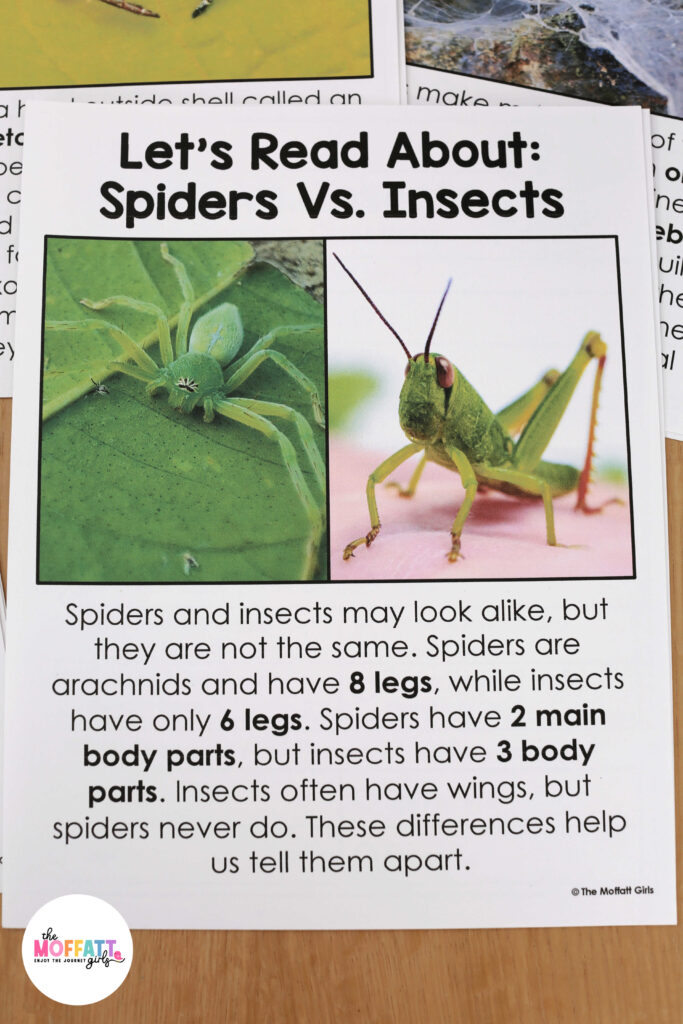
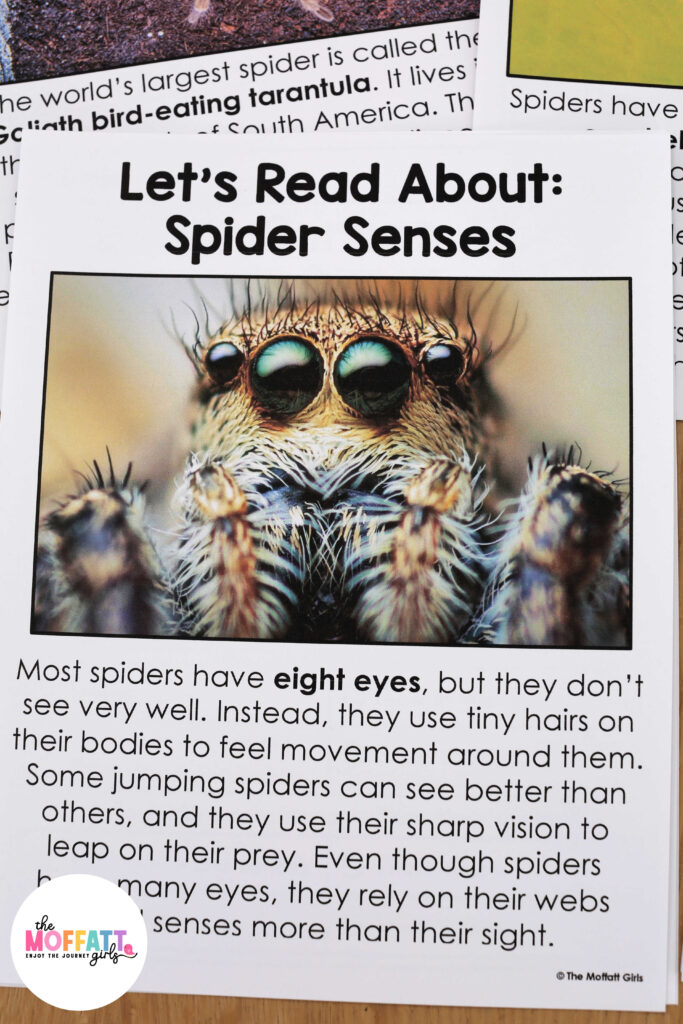
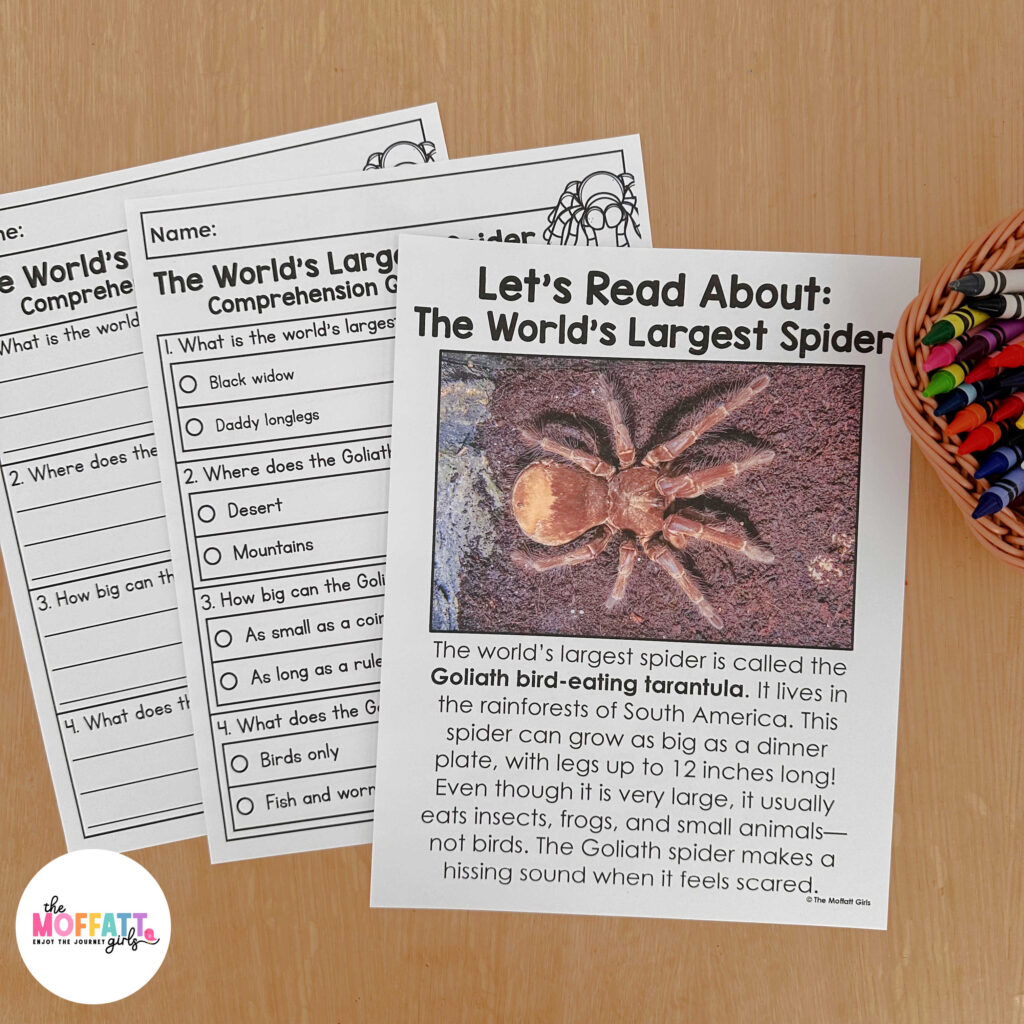
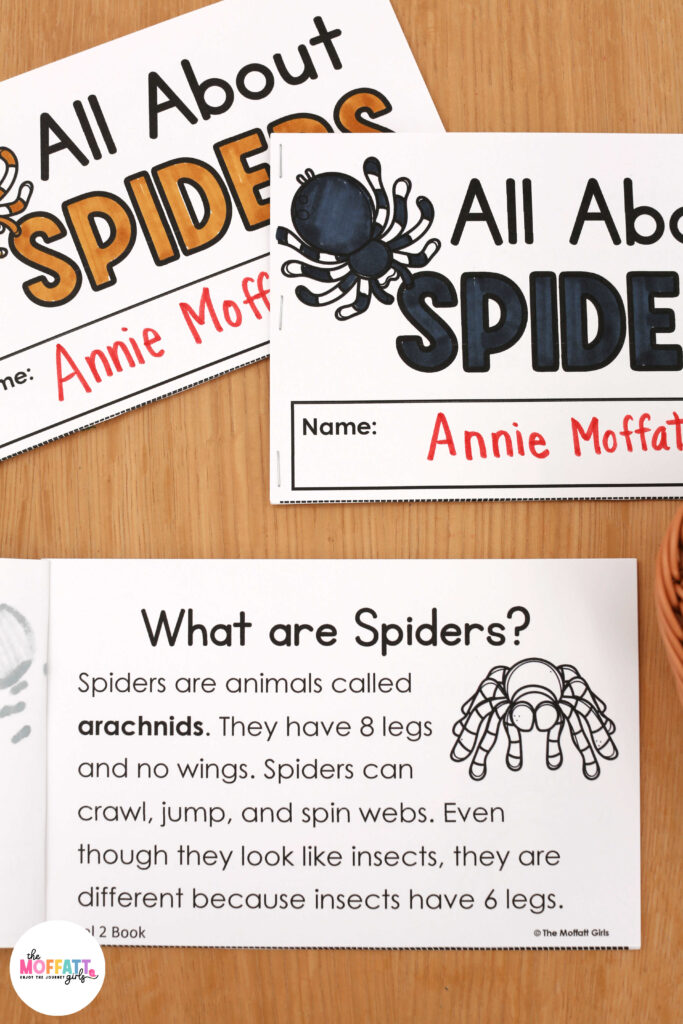
To integrate literacy with science, the product includes nonfiction passages about spiders, including how they build webs, how they survive, and their life cycle. Each passage is followed by comprehension questions that check for understanding and promote close reading. This strengthens reading skills while reinforcing spider science concepts.
Leveled Books
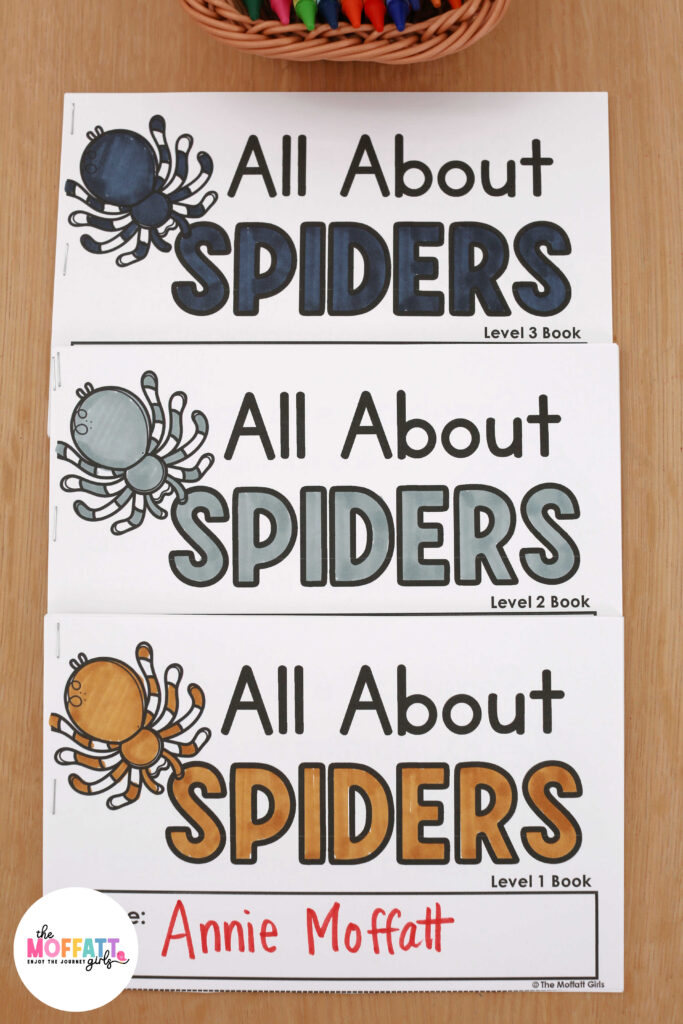
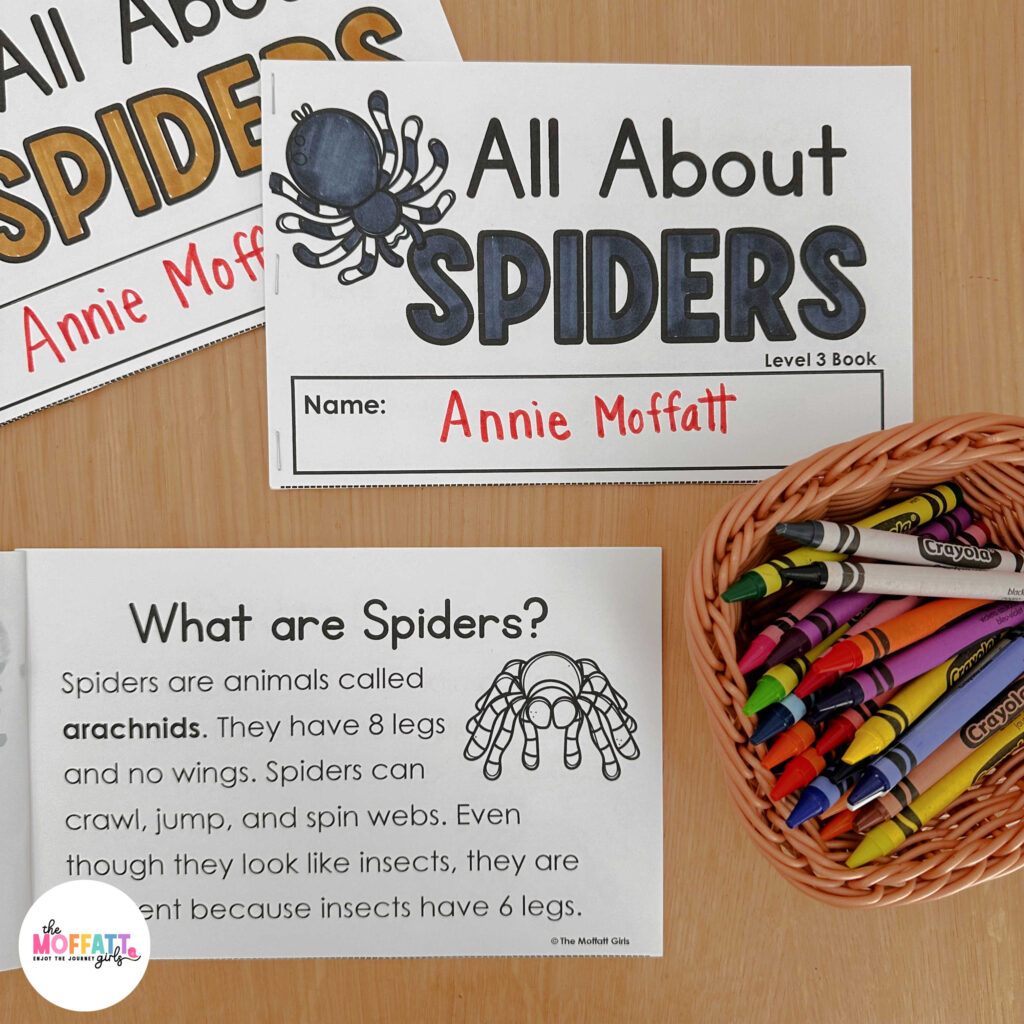
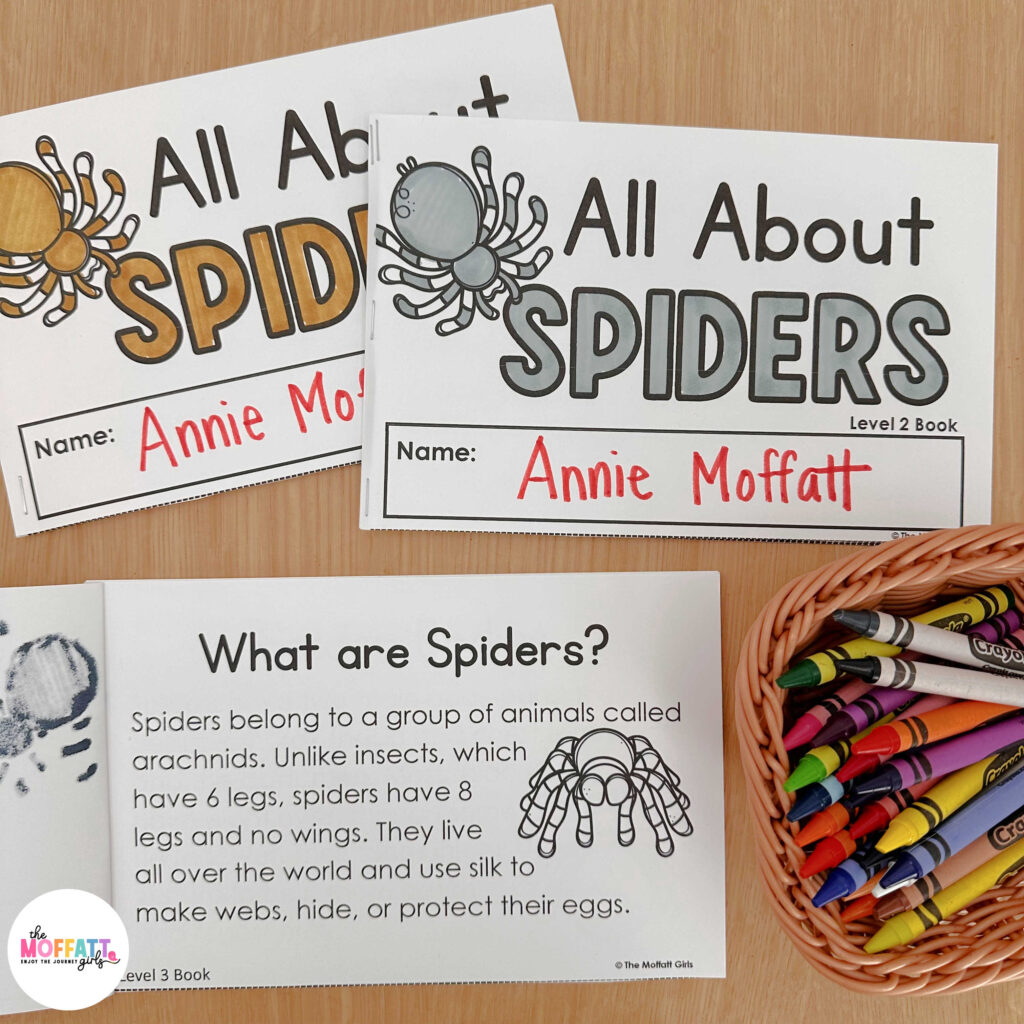
Not all students read at the same level, which is why this resource includes leveled books about spiders and spiders’ life processes. This differentiation makes the same spider science topic accessible to both emerging and more fluent readers, allowing everyone to engage in the same science content at their own pace.
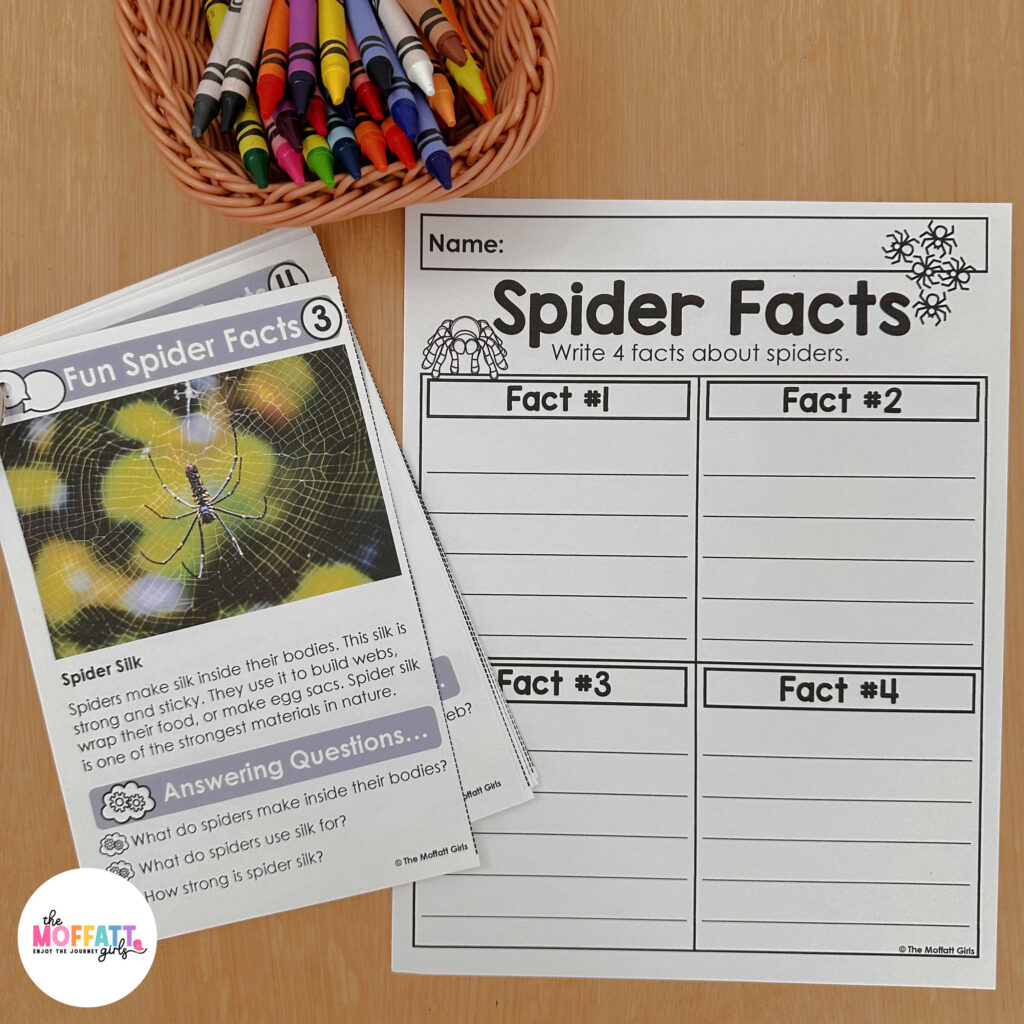
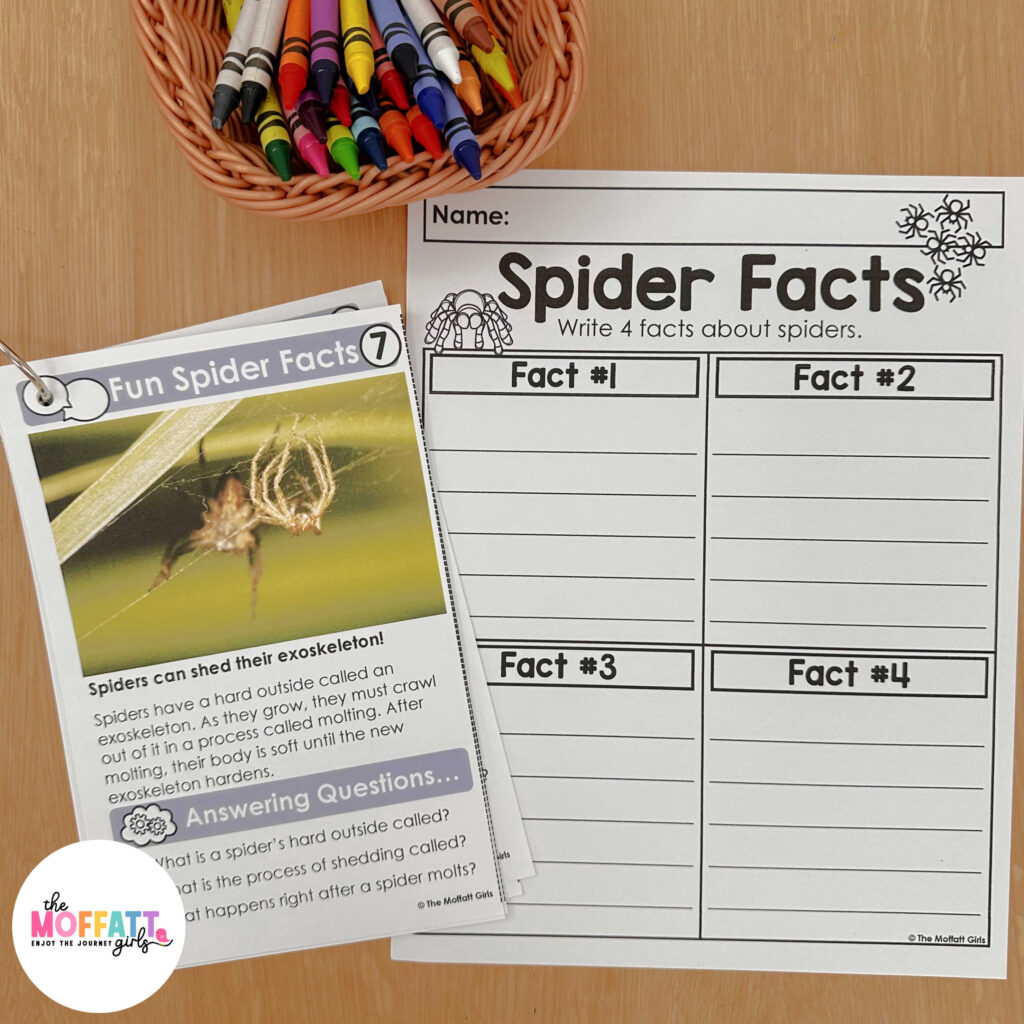
Fun Spider Facts
To spark curiosity, the unit includes interesting facts about spiders—how many eyes they typically have, how they spin silk, differences in web types, and how molting works. Including these tidbits helps students see that spider science isn’t just about diagrams and life cycles; it’s about living creatures with fascinating adaptations.
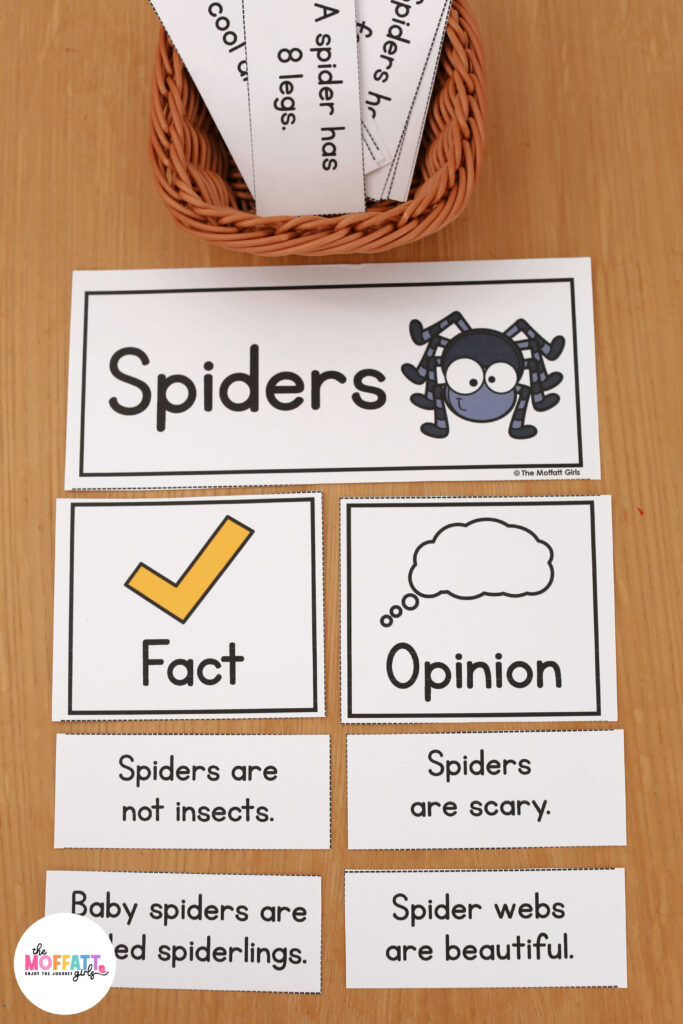
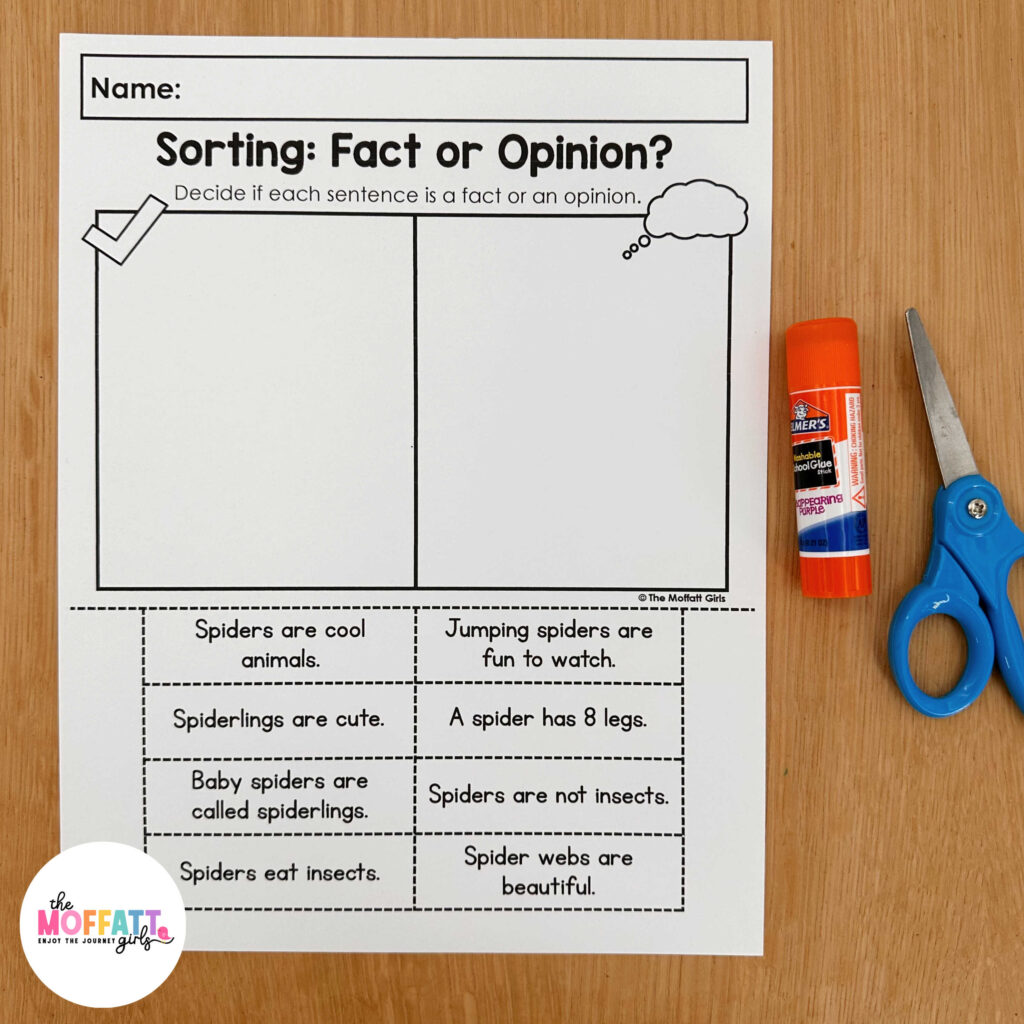
Facts Vs. Opinions
The study of spider science provides the perfect opportunity to discuss the differences between facts and opinions. One favorite is the Facts vs. Opinions Center, where students sort statements about spiders—like “Spiders spin silk” or “Spiders are scary”—to decide which are true facts and which are personal opinions.
Extras: Writing Prompts, Directed Drawings, and Color-by-Code
To deepen student engagement, this unit includes:
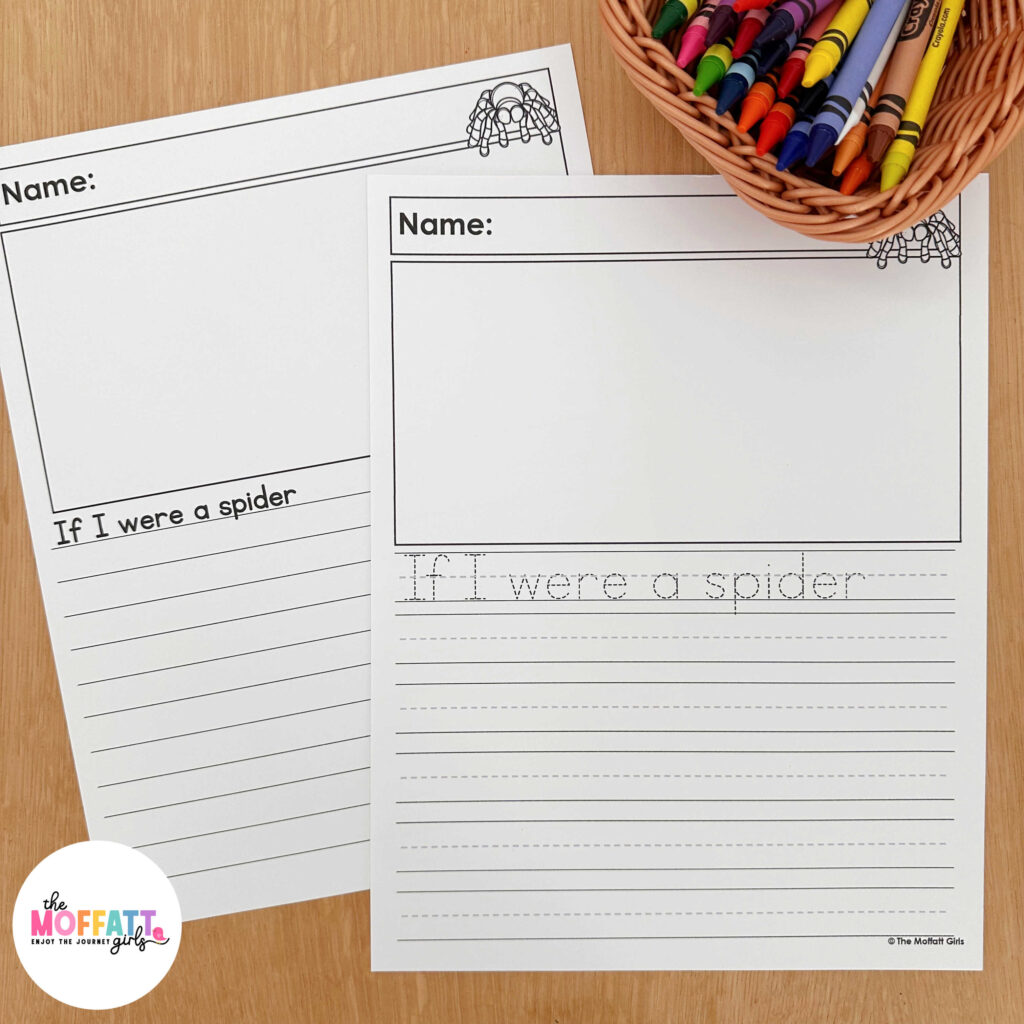
- Writing Prompts that prompt students to imagine being a spider or to explain how a spider’s features help it survive.
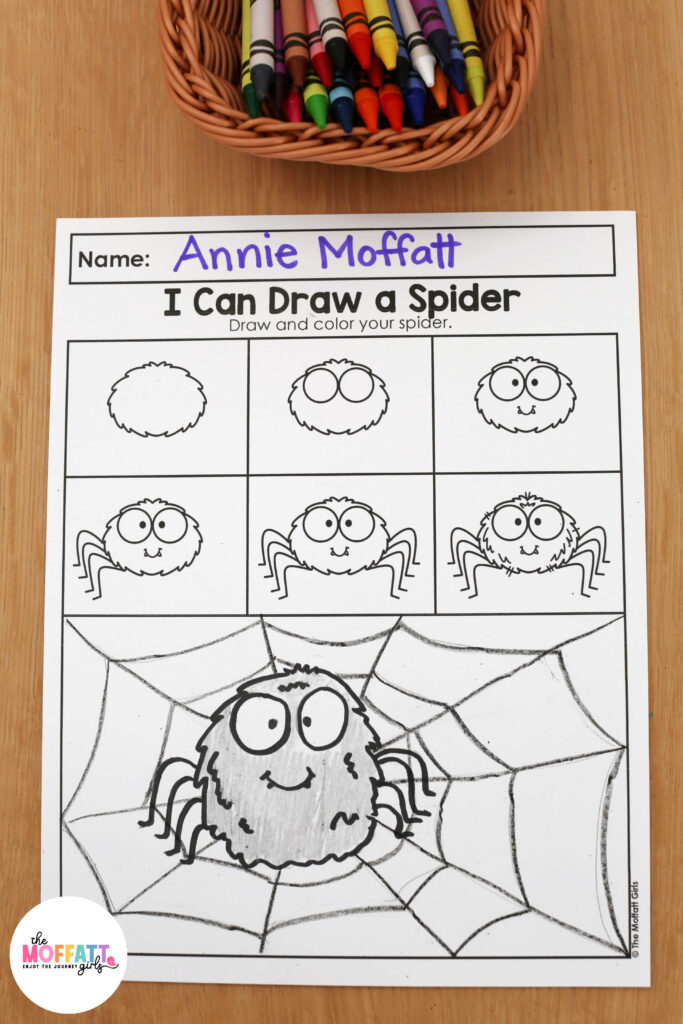
- Directed Drawings guide students step by step to draw spiders or their webs, reinforcing observation and spatial reasoning.
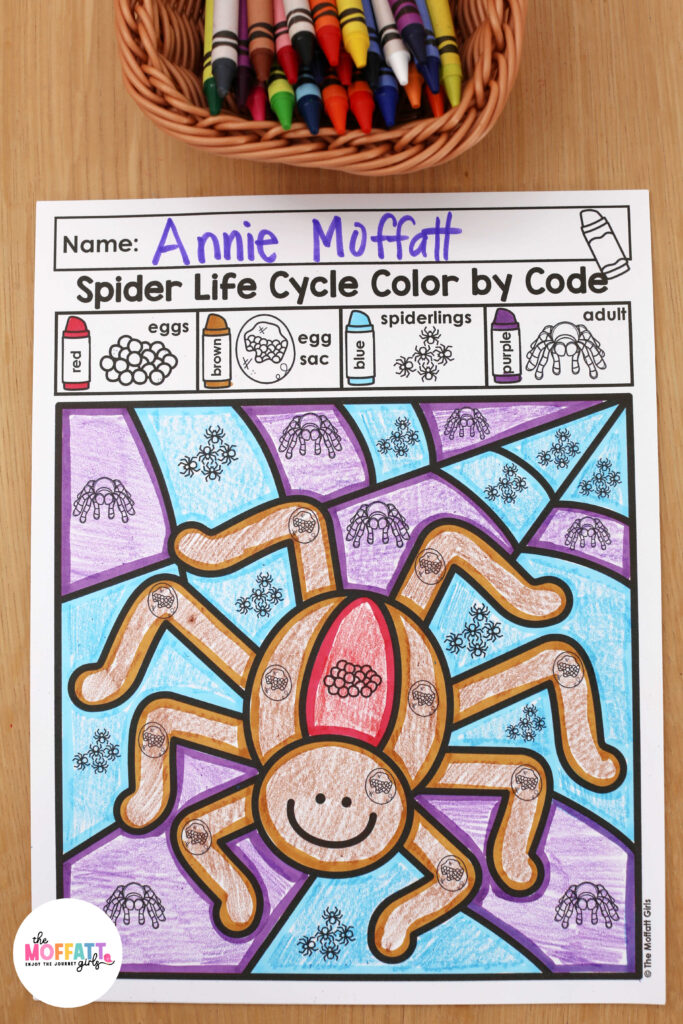
- Color-by-Code activities allow students to color parts of a spider or stages of its life cycle by following a code. These act as fun review tools while reinforcing vocabulary and structure.
Spider Craft
Hands-on work helps students internalize what they’ve learned. The spider craftivity allows students to assemble and label their own spider model or create a life cycle wheel or flap book. This blend of art and science makes spider science tangible and memorable—and gives you a fantastic display piece!
Leveled Unit Assessments
To measure understanding, the unit contains leveled assessments on vocabulary, reading, life cycle stages, parts identification, and comprehension. Because they’re leveled, you can assess students at different ability levels, giving you useful data to guide future instruction.
Ready to Explore Spider Science?
The Spider Science Unit is the perfect way to bring curiosity and excitement into your fall lessons. With engaging vocabulary work, hands-on activities, and leveled materials for every learner, students will love exploring the world of spiders while building science and literacy skills. Whether used in the classroom or at home, this resource makes spider science meaningful, memorable, and fun for everyone.
Are you looking for more fun activities for the month of October? Check out the October No Prep Packets blog post: Click Here.
Share this:

Annie Moffatt
Annie Moffatt is a former elementary school teacher and homeschool mom with a passion for helping young learners thrive. With a background in early education and a heart for making learning fun, Annie designs engaging, low-prep resources that build confidence and success in the classroom. Her hands-on, kid-friendly approach has supported thousands of teachers and parents around the world in creating joyful learning experiences for their students.