





Bat Science
Share this:
Fall is the perfect time to dive into a fascinating new topic: bat science. Whether you are teaching in the classroom or at home, this Bat Life Science Unit is packed with hands-on, leveled, and literacy-rich activities that make learning about bats fun, meaningful, and accessible for every learner.

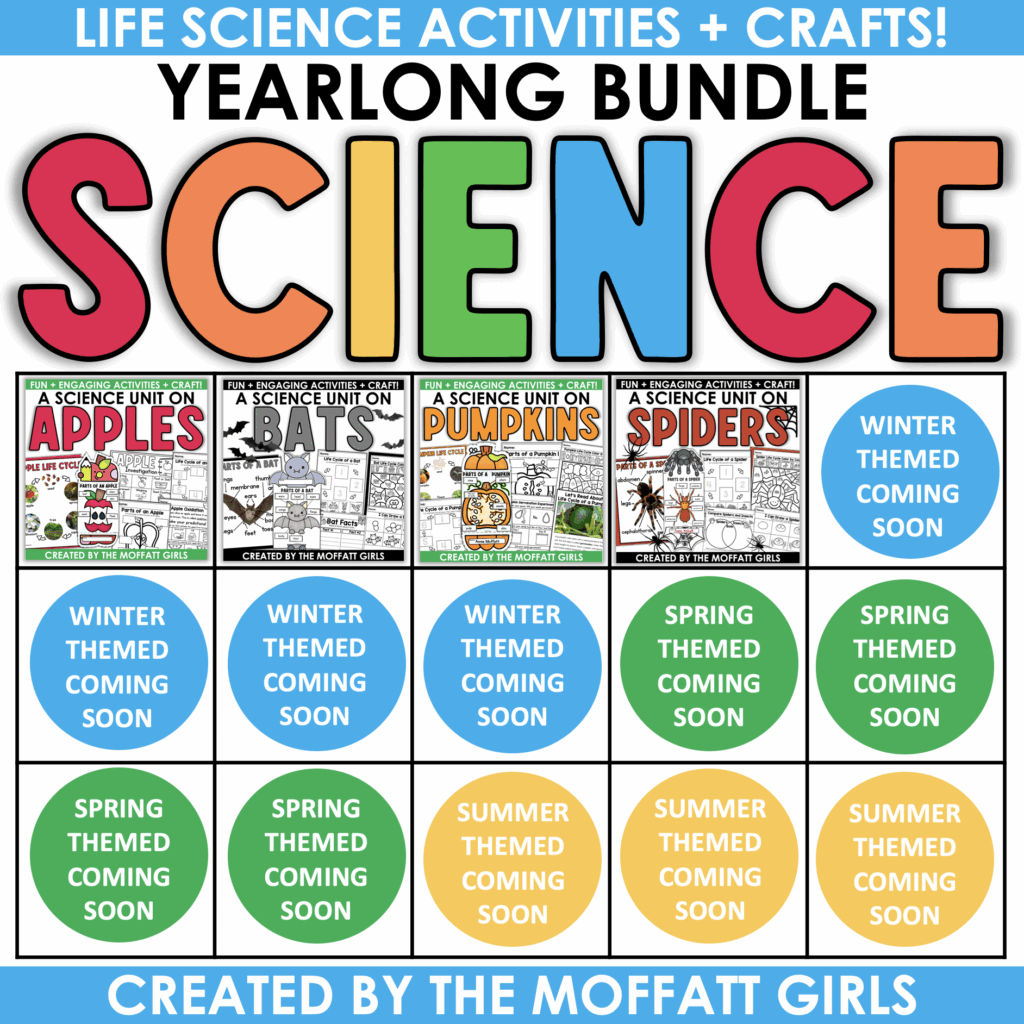
This Bat Science Unit is part of the Yearlong Science Bundle: Click Here.
Why This Bat Science Unit Stands Out
This resource is more than just worksheets. It is a complete bat science learning experience. Teachers love that everything is no-prep and ready to go, while parents appreciate that it is fun, educational, and adaptable for home learning. Students get to read, write, draw, experiment, and create while developing a deep understanding of these amazing nocturnal creatures. From vocabulary building to reading comprehension, writing, crafts, and directed drawings, this resource has everything you need to bring bat science to life while keeping your students engaged and excited.
Vocabulary
Start your bat science unit with key vocabulary that helps students build background knowledge. Word cards, visual supports, and matching activities introduce important terms like wingspan, nocturnal, echolocation, roost, and mammal. These vocabulary tools make it easy for students to understand new words and use them confidently during discussions, writing, and reading.


Parts of a Bat
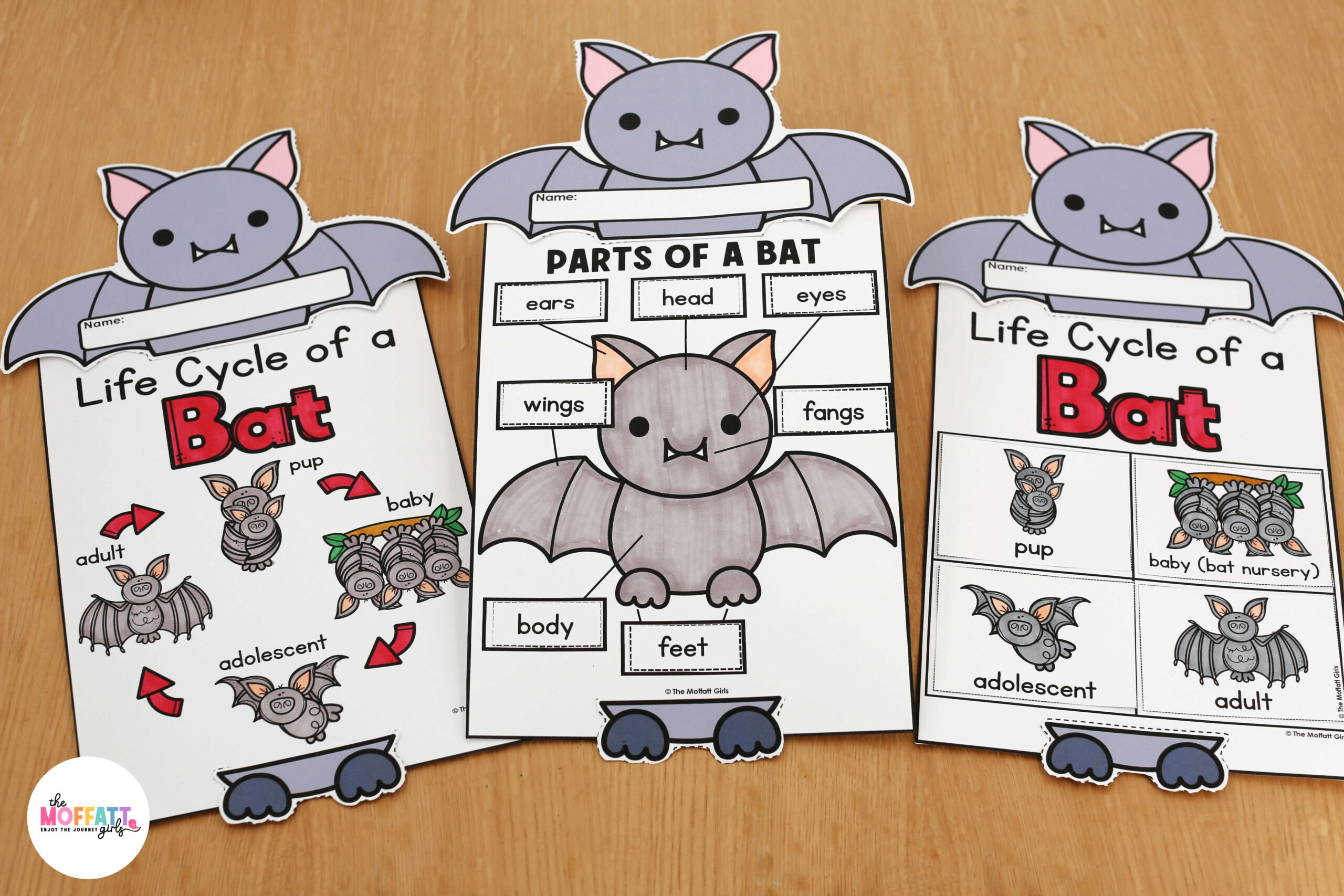
Students love learning about the parts of a bat! With labeled diagrams, cut-and-paste activities, and visual posters, they’ll explore the unique features that help bats fly, hunt, and survive. This section of the bat science unit helps students recognize the bat’s wings, ears, body, mouth, legs, toes, and wing membrane while reinforcing key scientific concepts about structure and function.

Life Cycle of a Bat
In this part of the bat science unit, students discover how bats grow and change, from a baby pup to a full-grown adult. Using sequencing charts and engaging visuals, students can easily grasp each stage of the bat life cycle. It is a perfect opportunity to connect reading, science, and observation skills in a developmentally appropriate way.


Reading Comprehension Passages and Questions
Bring literacy and bat science together with leveled reading comprehension passages. Each passage teaches students fascinating facts about bats, including their habitats, diets, and behaviors, followed by questions that check for understanding. The passages are differentiated so all learners can read about the same topic at their own level, making small-group or independent reading easy to manage.

Leveled Books
Every student deserves to feel successful while learning about science! This resource includes leveled books that align with the same bat science content. Whether your learners are beginning readers or more advanced, they can all access the same rich vocabulary and key concepts, presented at just the right level of difficulty.


Fun Facts about Bats
Did you know that some bats can eat over 1,000 insects in just one night? Or that bats are the only mammal that can fly? These fun facts spark curiosity and help kids see how important bats are to our world. This section makes learning about bat science both informative and exciting—perfect for class discussions or mini research projects!


Extras
The extras in this bat science unit make it even more engaging, acting as a reinforcement and extension to key concepts students have been learning about in this unit.
Writing Prompt
Writing Prompts encourage creative and informational writing. Students might describe what it would be like to be a bat for a day or explain how bats help the environment.

Directed Drawing
Directed Drawings guide students step-by-step in creating their own bats, helping them connect art to science.

Color by Code
Color-by-Code activities reinforce vocabulary and comprehension while giving students a fun, low-prep way to review the life cycle of a bat.


Bat Craft
No bat science unit is complete without a fun craft. Students can create their own bat craftivity to show what they have learned. Whether it is labeling parts of a bat or illustrating the life cycle, this hands-on project helps reinforce learning while building fine motor skills. It also makes a wonderful bulletin board display for your fall classroom.

Leveled Unit Assessments
Finally, assess what students have learned with leveled unit assessments that cover vocabulary, reading comprehension, and key bat science concepts. The built-in differentiation allows you to check understanding for all learners in a simple, stress-free way.

Ready to Explore Bat Science?
With this bat science unit, you will have everything you need to make learning about bats exciting, meaningful, and memorable this fall. Perfect for classrooms, homeschool lessons, or small groups, this resource helps students build curiosity and confidence while exploring the incredible world of bats.
Are you looking for more fun activities for the month of October? Check out the October No Prep Packets blog post: Click Here.
Share this:

Annie Moffatt
Annie Moffatt is a former elementary school teacher and homeschool mom with a passion for helping young learners thrive. With a background in early education and a heart for making learning fun, Annie designs engaging, low-prep resources that build confidence and success in the classroom. Her hands-on, kid-friendly approach has supported thousands of teachers and parents around the world in creating joyful learning experiences for their students.