



Pumpkin Science Unit and Craft
Share this:
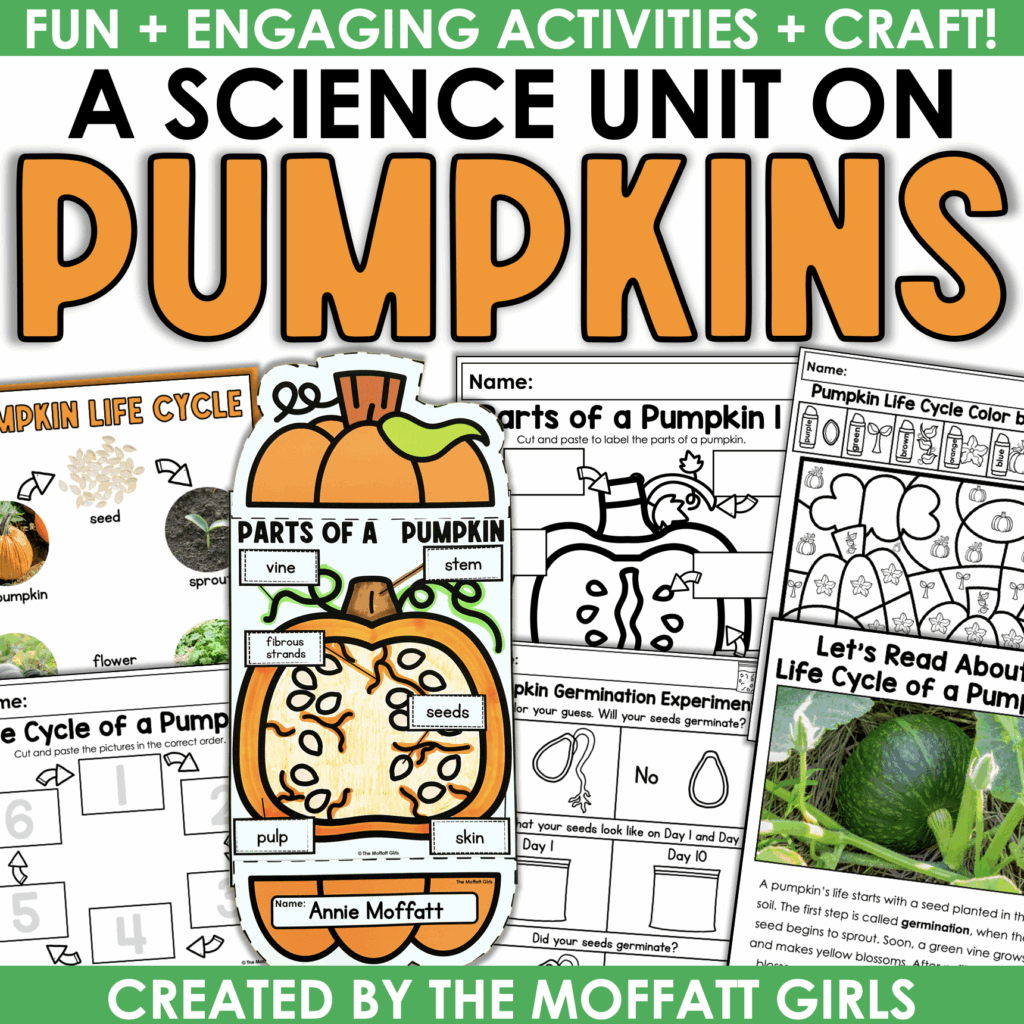
If you’re a teacher or a parent who loves combining meaningful science with literacy and creativity, this Pumpkin Science unit is going to be your new favorite go-to. It’s full of hands-on, differentiated, and cross-curricular resources that bring pumpkin science to life in a way that’s fun, engaging, and super teacher-friendly. Let me walk you through all the powerful features inside and why this is such a gem for fall learning.
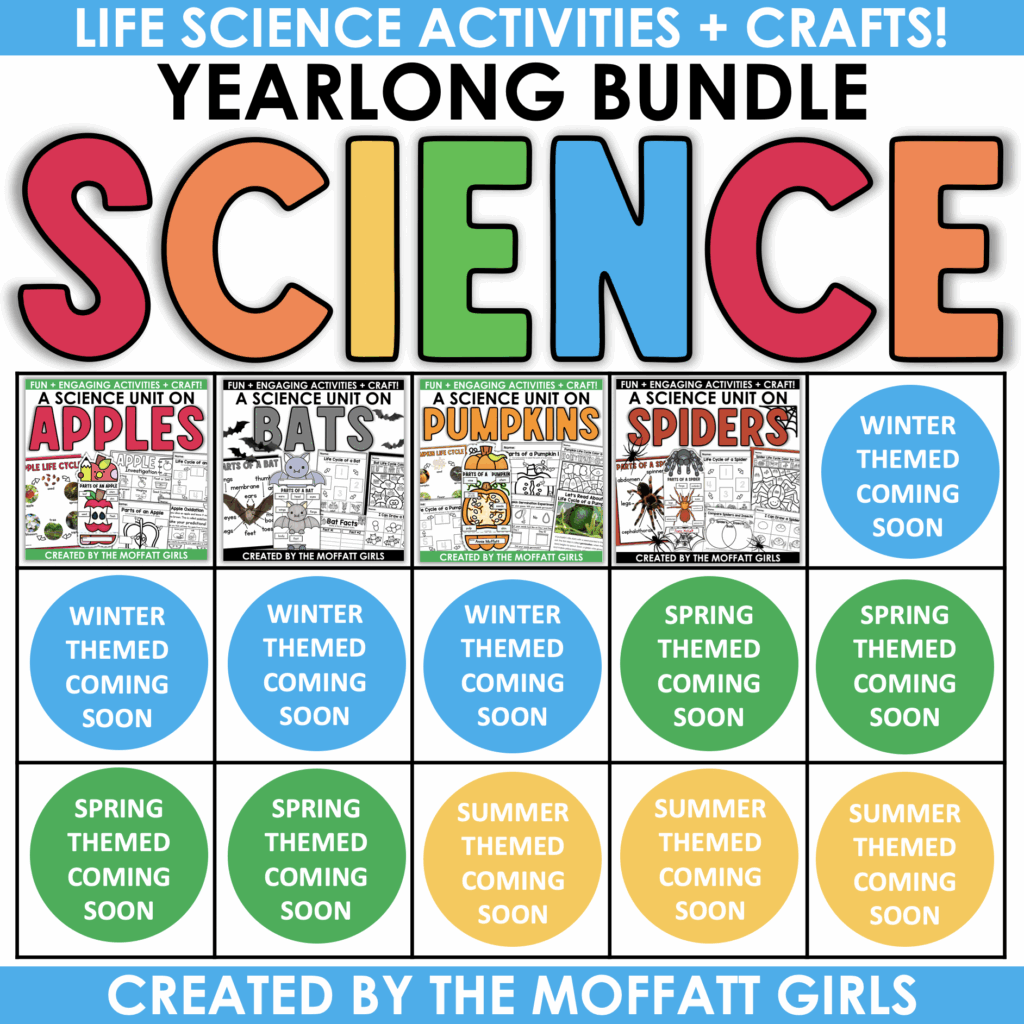
This Pumpkin Science Unit is part of the Yearlong Science Bundle: Click Here.
Why This Pumpkin Science Unit Stands Out
Pumpkin units are a fall staple, but not all of them dive deep. This unit doesn’t just skim the surface — it weaves pumpkin science throughout vocabulary, experiments, reading, writing, crafts, and assessment. You get a full, robust pumpkin investigation that connects kids to real science, literacy, and creativity. And everything is designed so students of different levels can access it simultaneously.
What You’ll Find Inside & How It Supports Learning
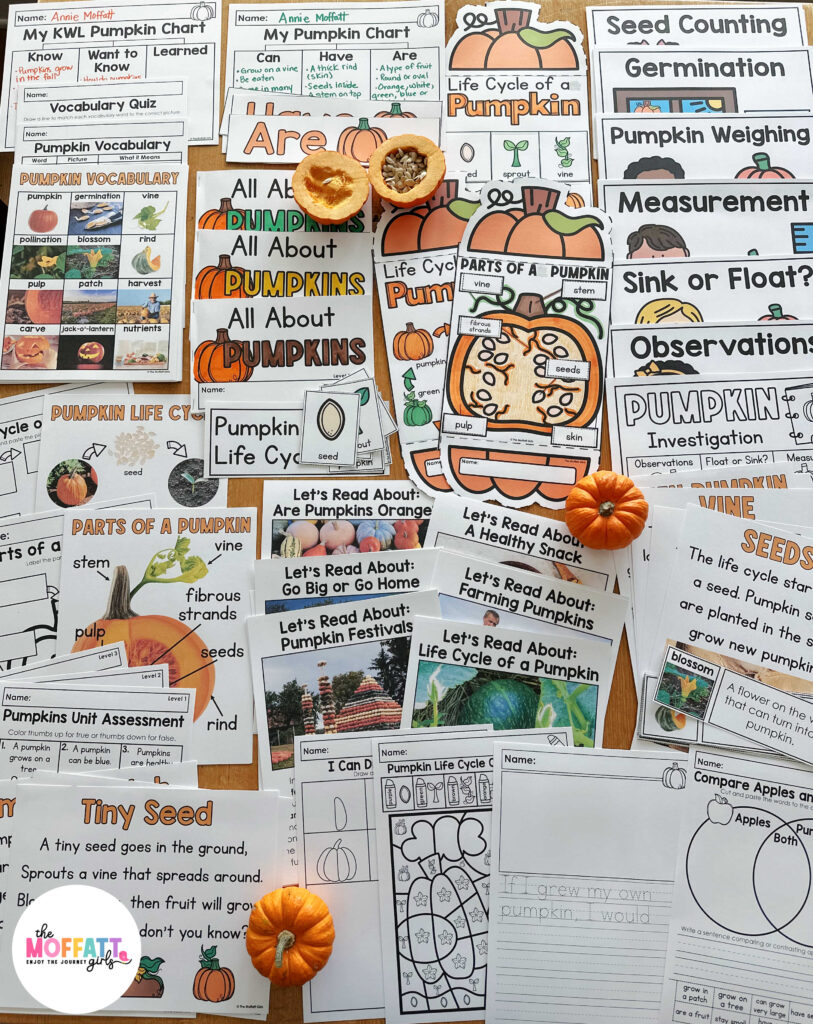
Here’s how each component strengthens your teaching and gives students multiple ways to explore pumpkin science:
Vocabulary Practice
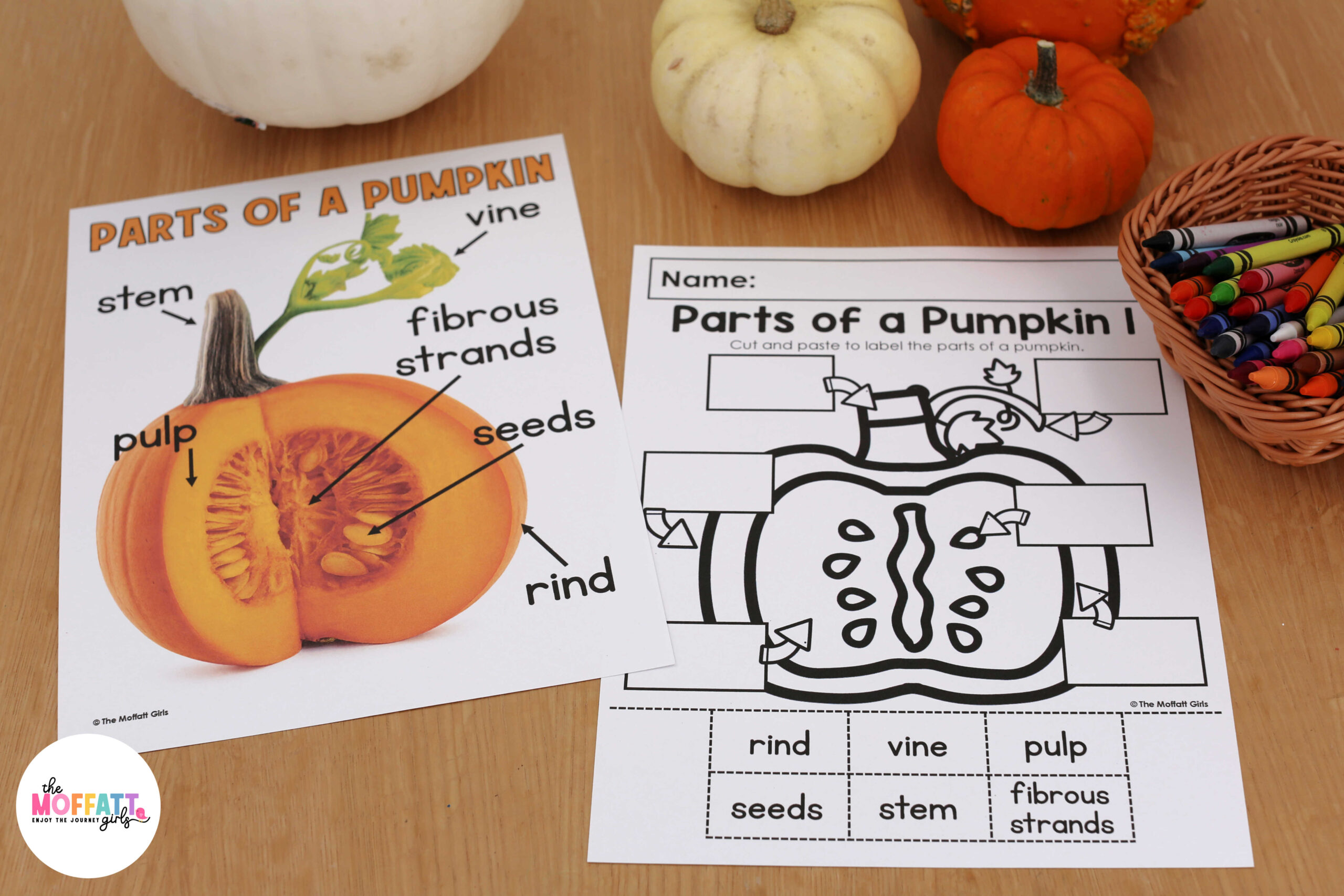
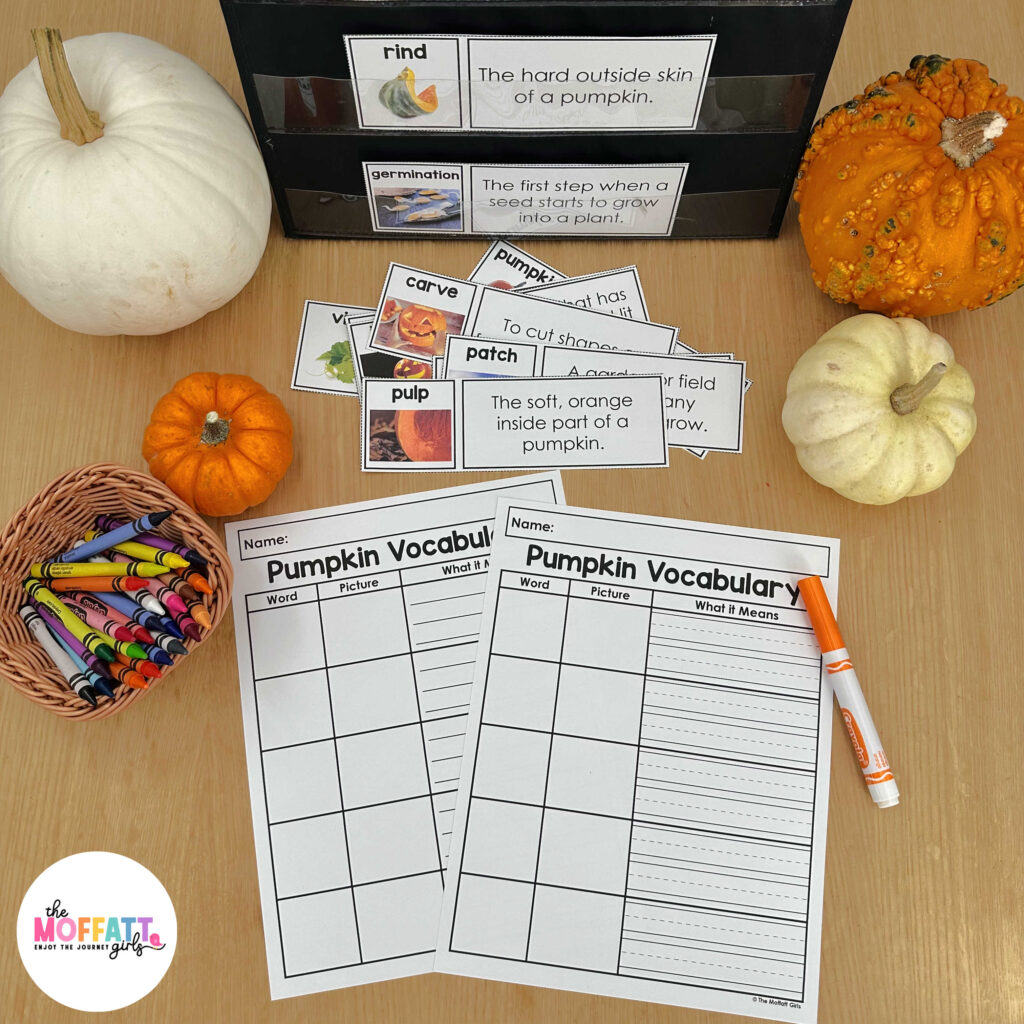
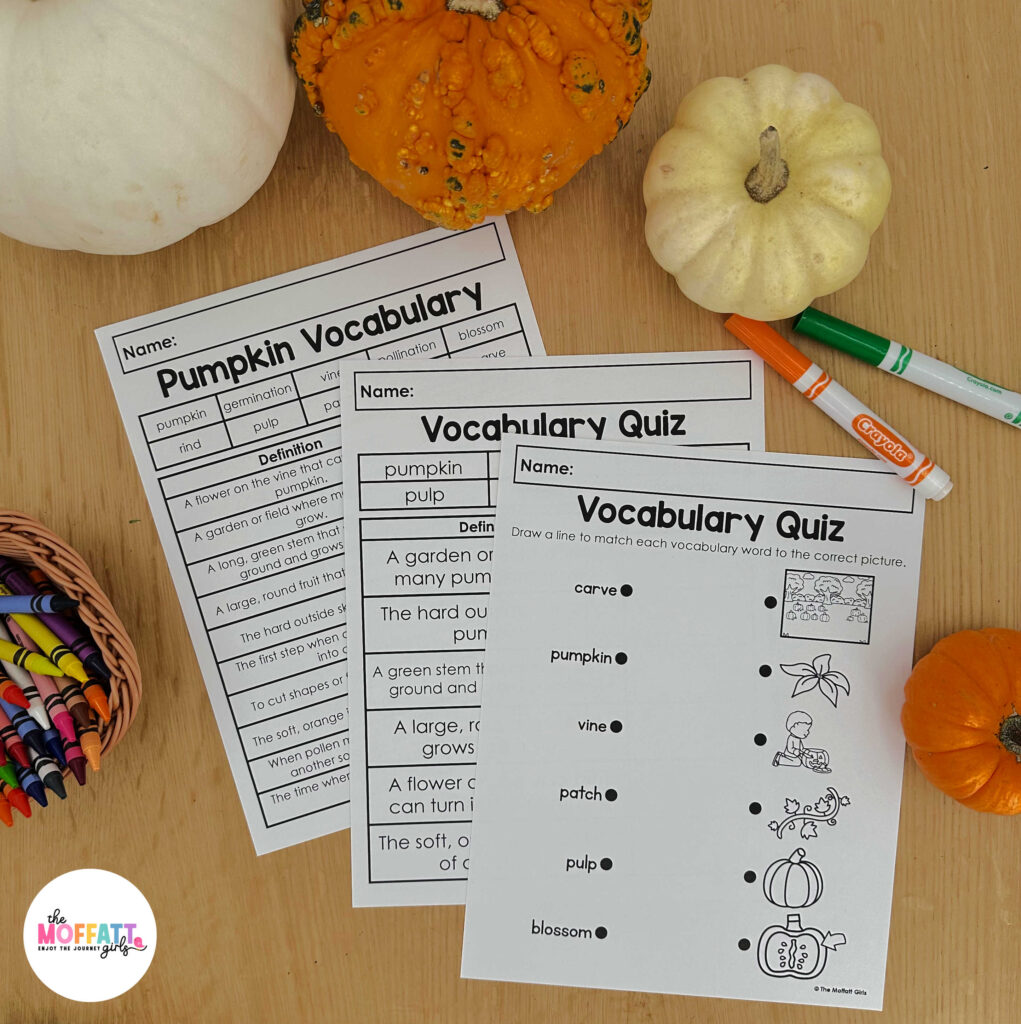
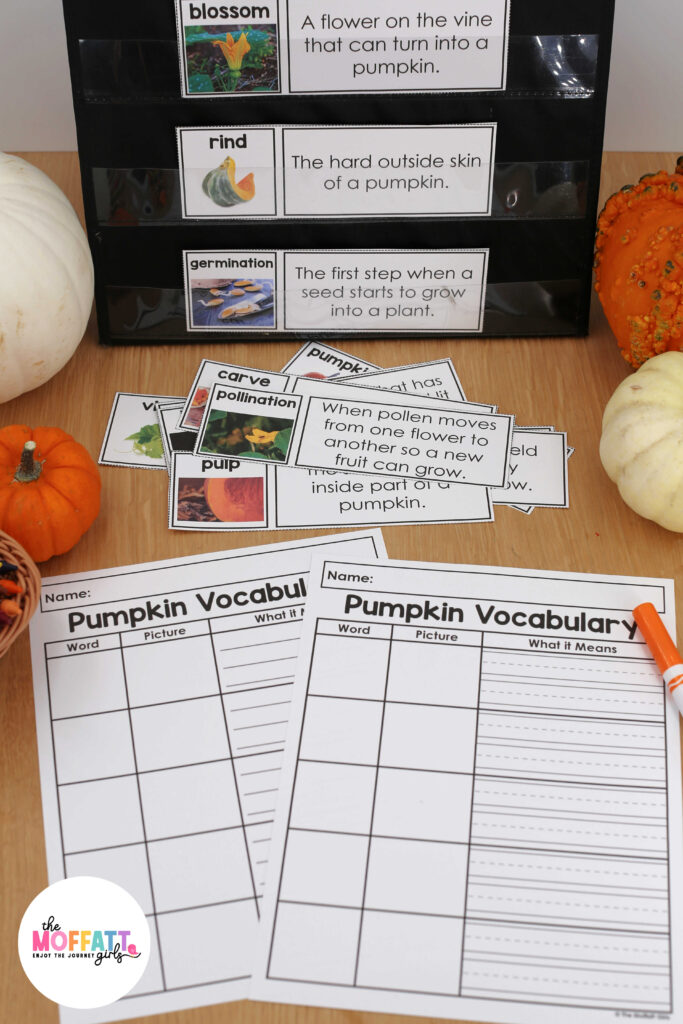
Understanding scientific terms is key in any science unit. This resource includes vocabulary cards, labeled diagrams, and word walls so students become familiar with words like skin, pulp, seeds, stem, vine, leaf, and rind. With these supports, your students can confidently talk about pumpkin science and refer back to these terms during experiments and writing.
Parts of a Pumpkin
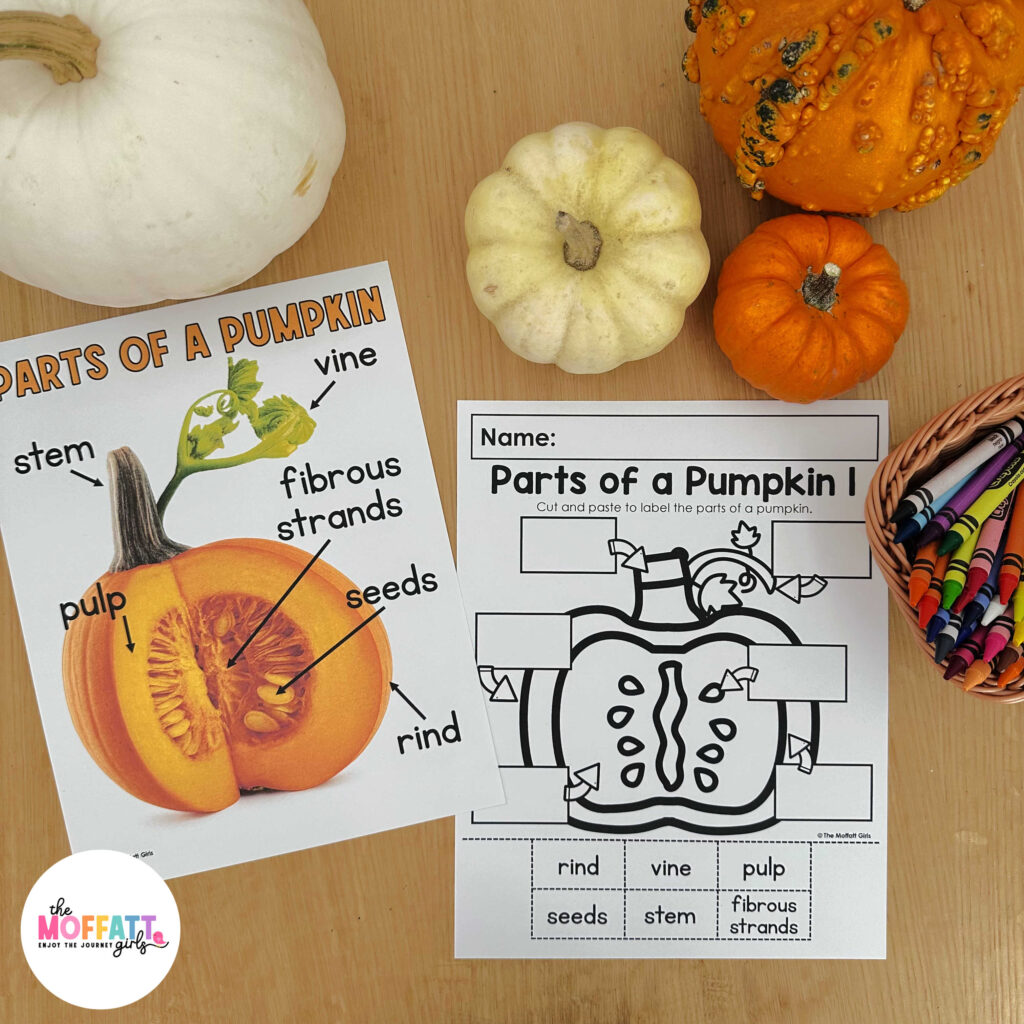
One of the first steps in pumpkin science is learning what’s inside and outside. The unit includes diagrams and labeling activities for the parts of a pumpkin — including the outer rind, flesh/pulp, seeds, stem, and interior stringy fibers. You can use the cut-and-paste worksheet paired with a real pumpkin for students to examine.
Pumpkin Life Cycle
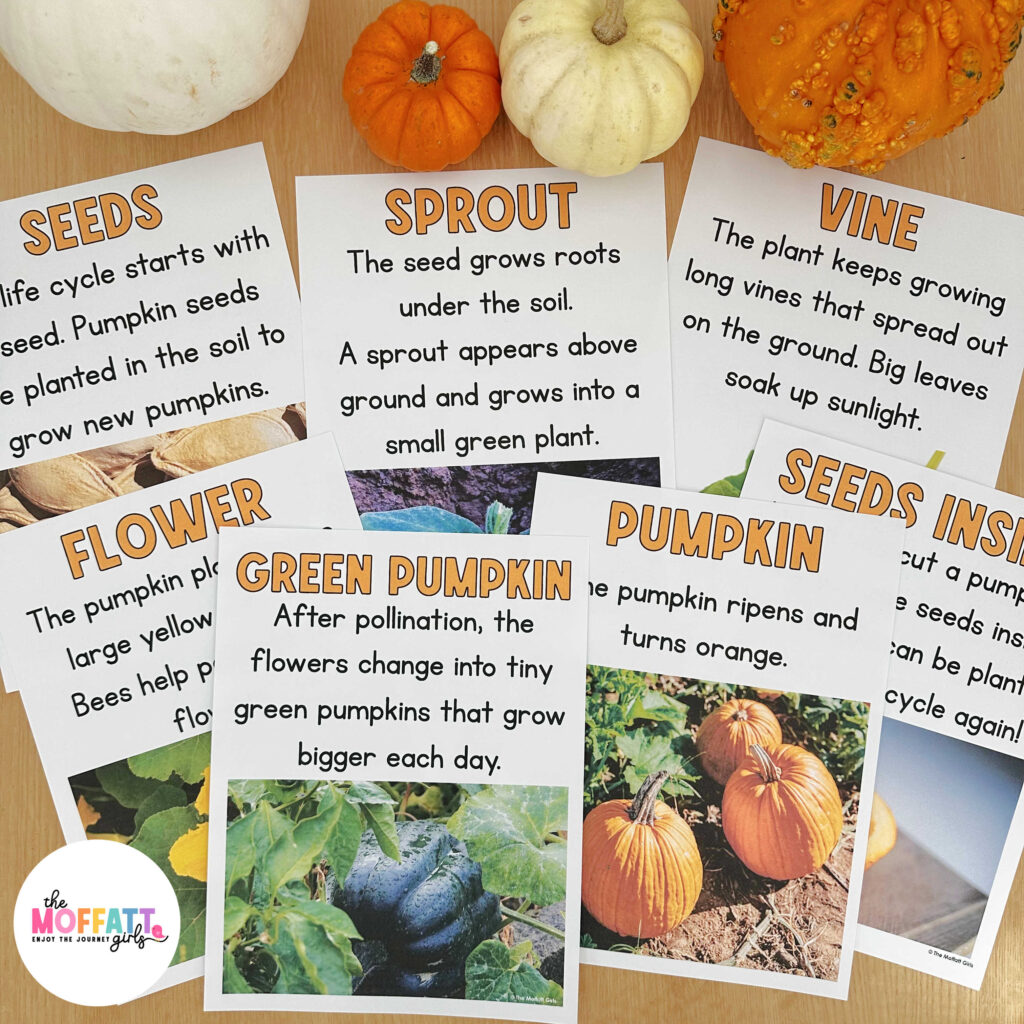
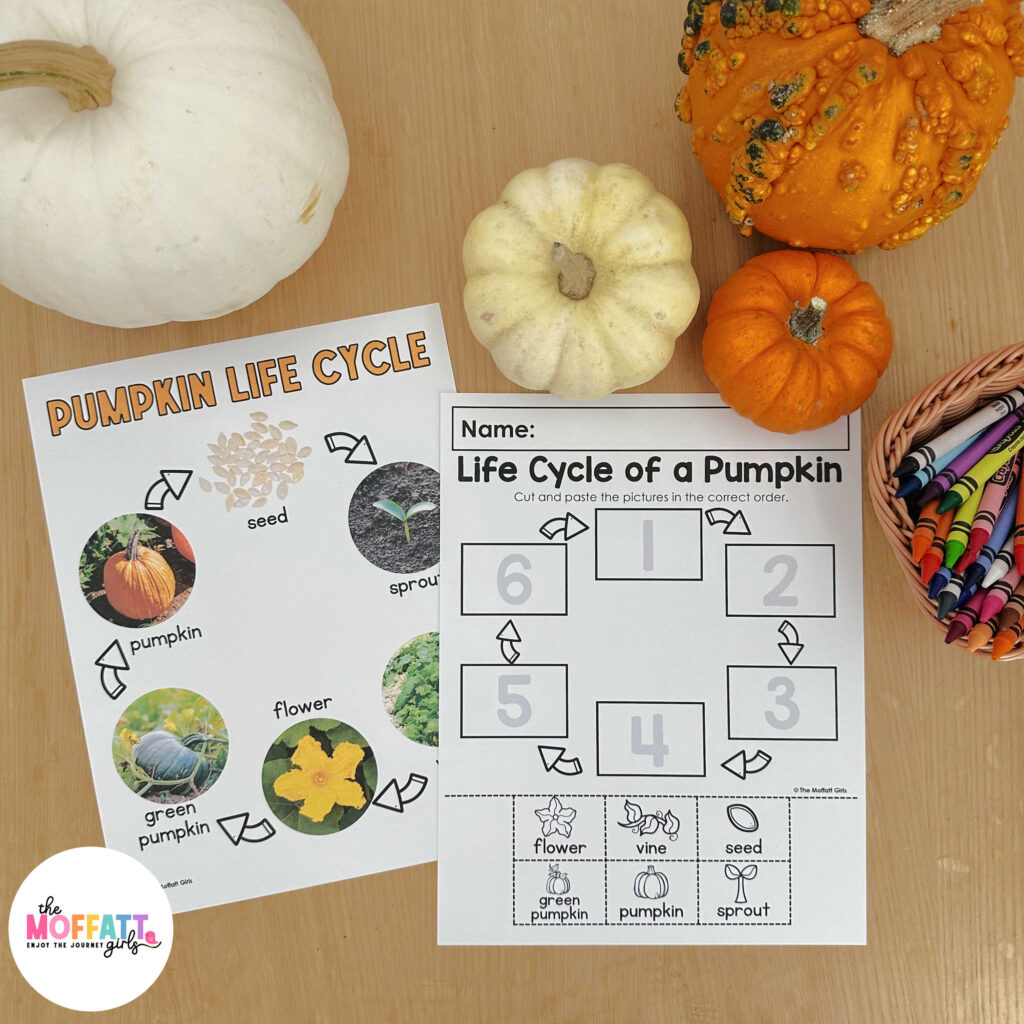
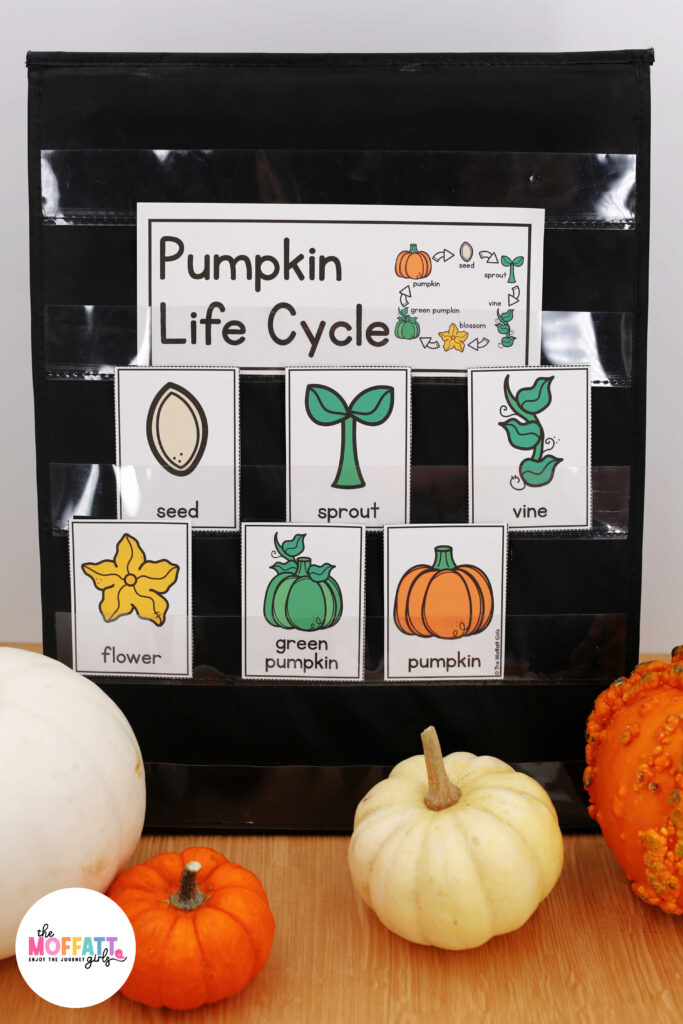
From seed to mature pumpkin, students will explore the life cycle of a pumpkin (seed to sprout to vine to flower to green pumpkin to mature pumpkin). The sequencing charts, visuals, and scaffolding help learners see how each stage transitions. This reinforces cause-and-effect thinking, biological growth, and the essence of pumpkin science in an age-appropriate way.
Pumpkin Investigations & Experiments
This is where pumpkin science gets exciting and hands-on! Students can test sink vs. float, compare seed counts, germinating seeds and more. These experiments let kids make predictions, collect data, observe changes, and draw conclusions — just like real scientists. These investigations deepen understanding of pumpkin structure, varieties, and internal properties.
Pumpkin Observations
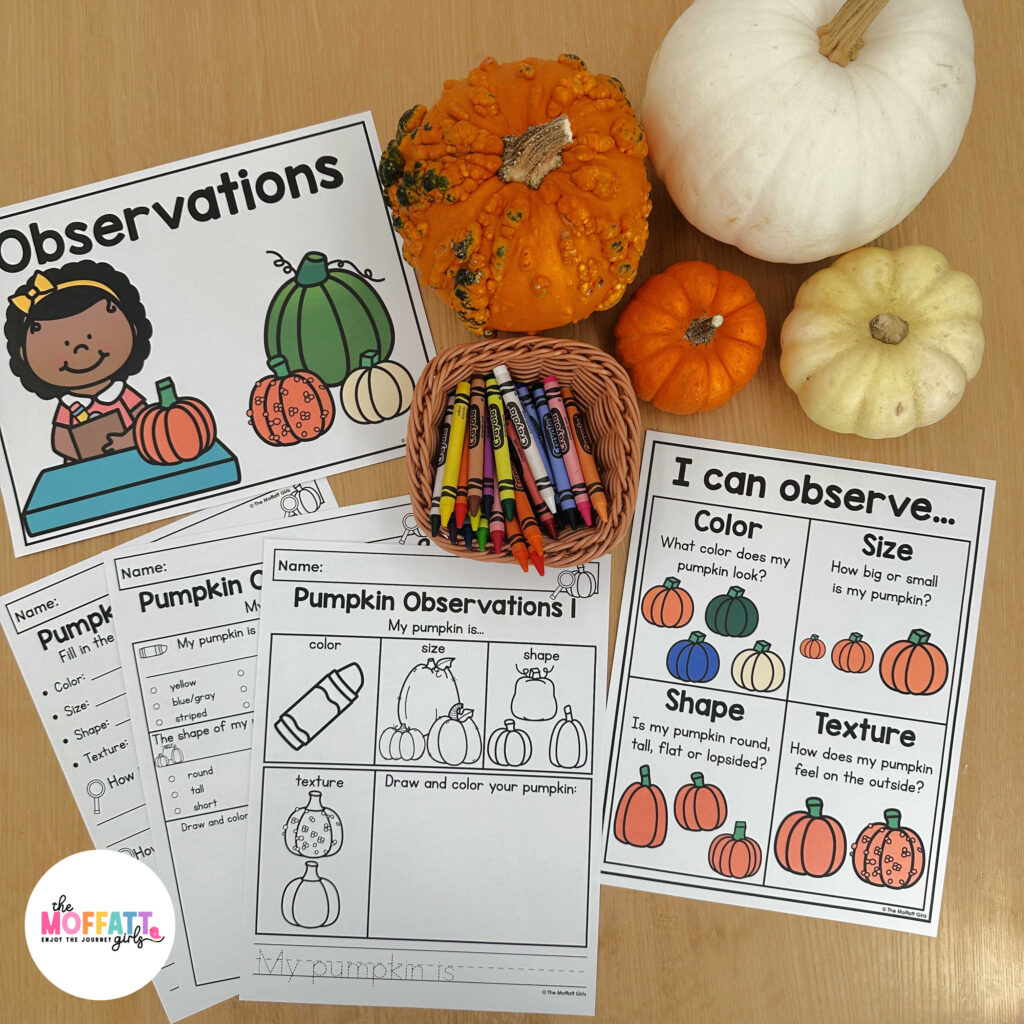
Pumpkins come in many shapes and sizes! At the Observation Station, students take a closer look at their own pumpkin and describe what makes it special. They’ll notice the color, size, shape, and texture—discovering that no two pumpkins are exactly alike!
Sink or Float
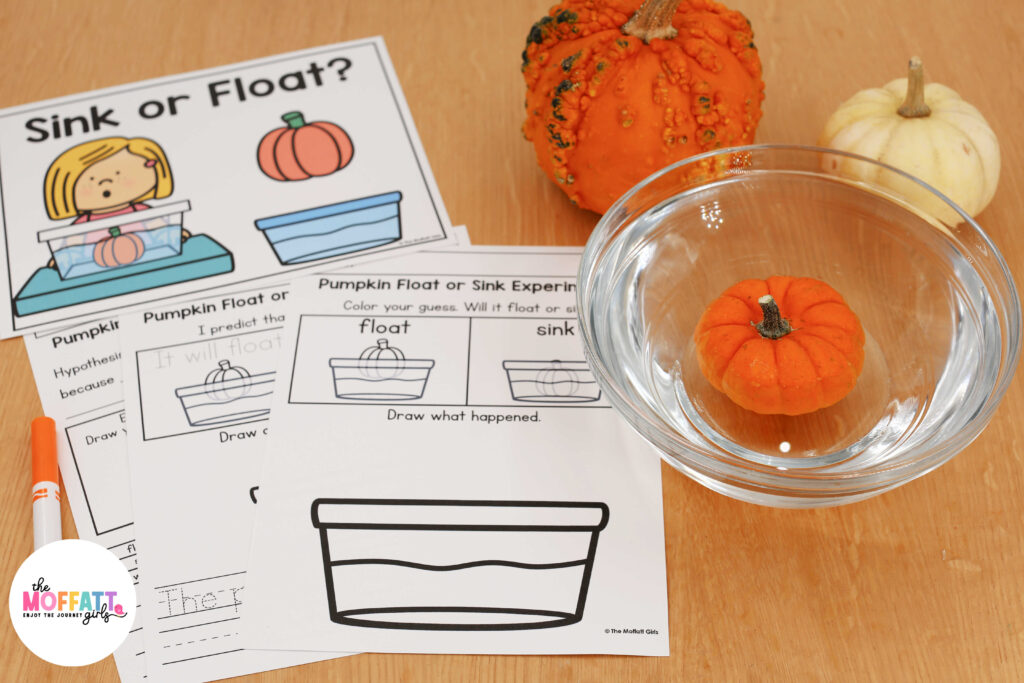
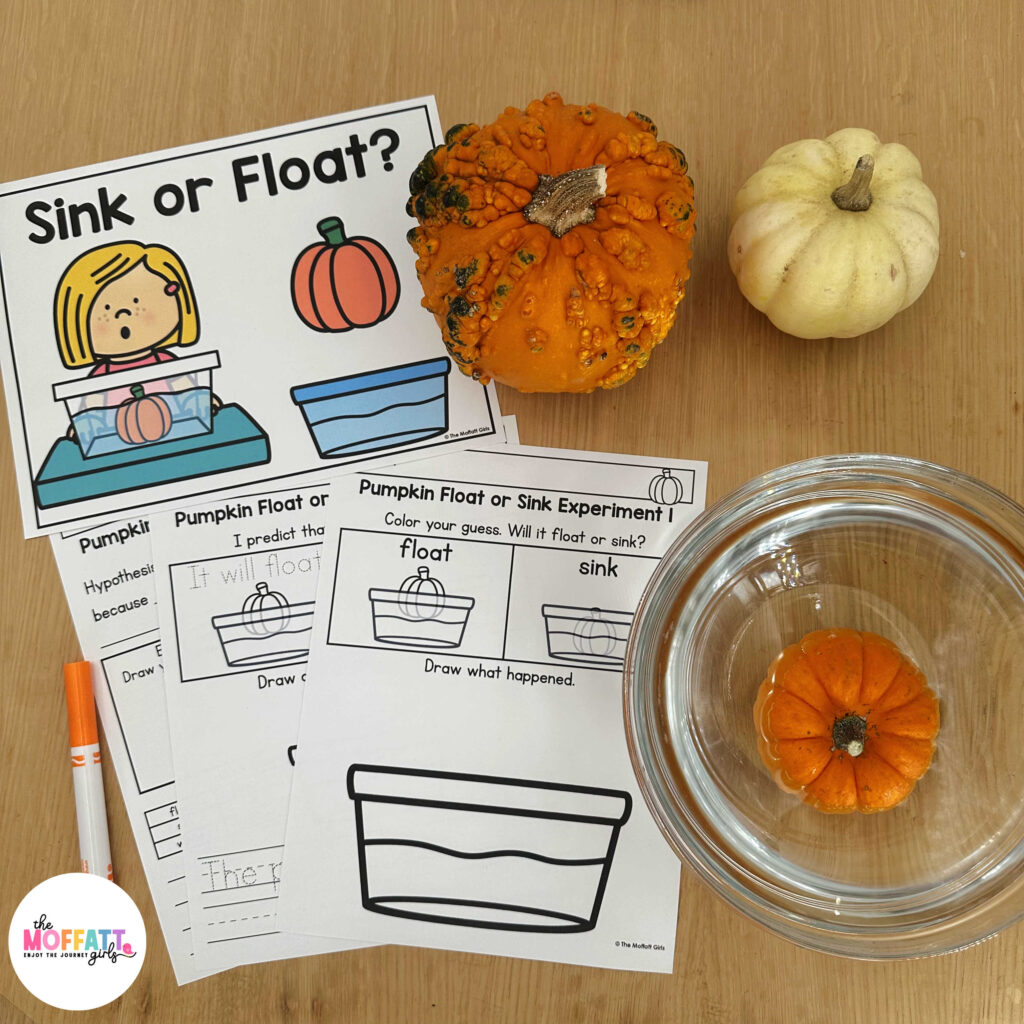
Students test their pumpkins to discover whether they sink or float, then think like scientists to figure out why it happens!
Pumpkin Measurement
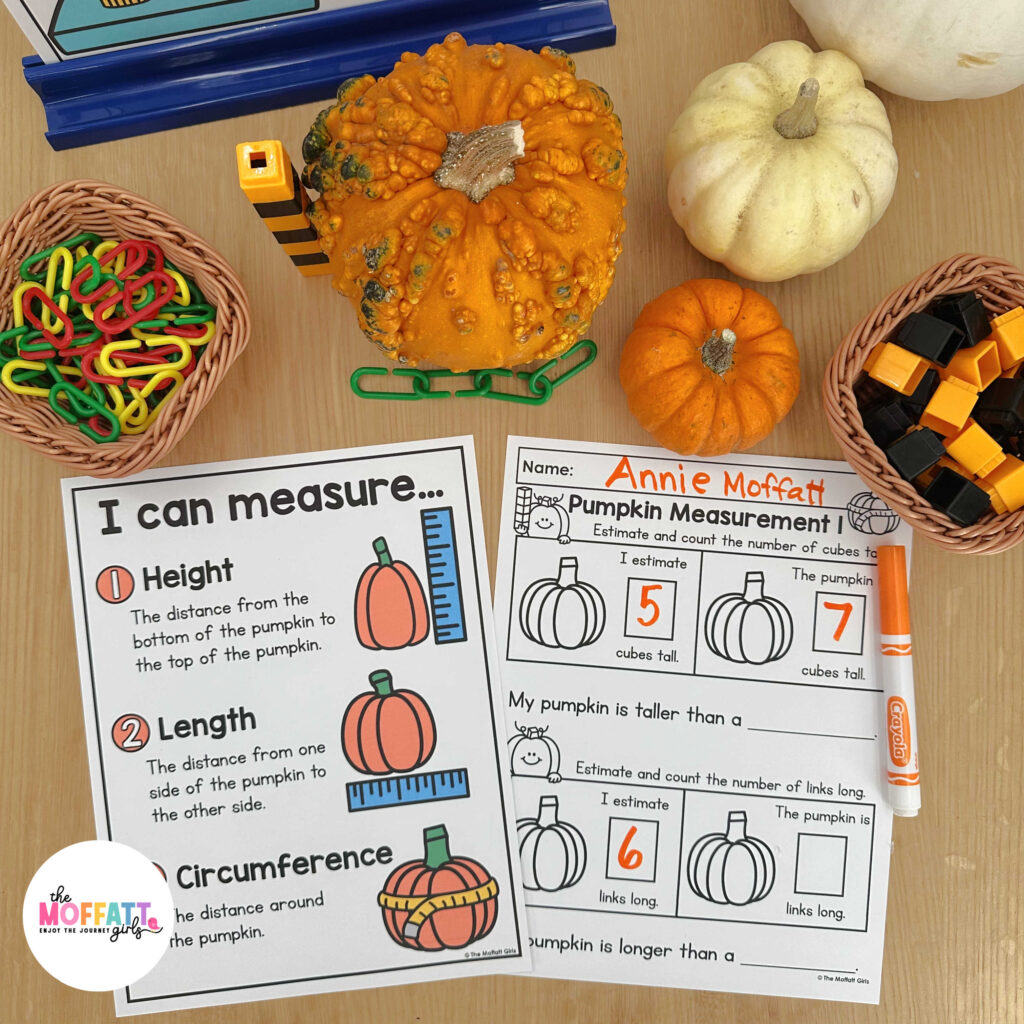
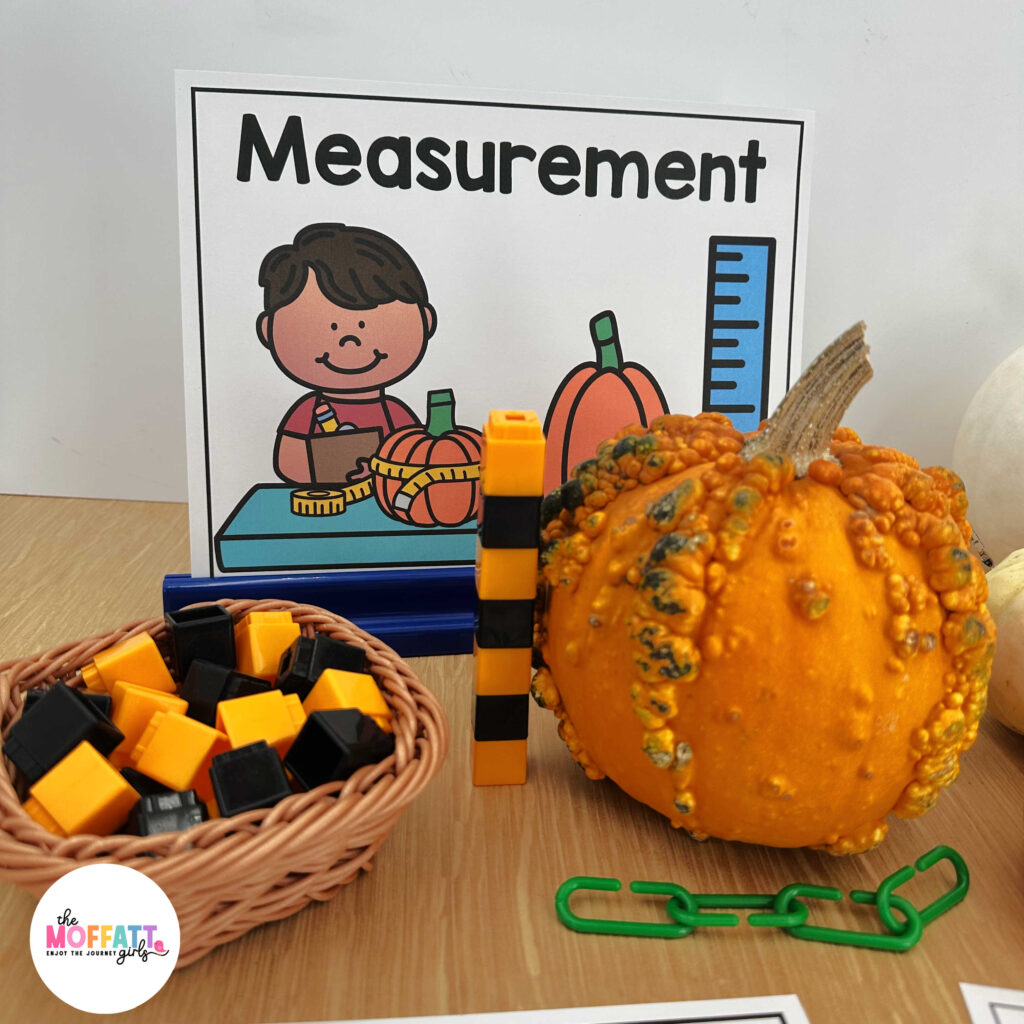
At another pumpkin science station, students use non-standard units, rulers and measuring tapes to record the height, length, and circumference of their pumpkins, just like real scientists!
Pumpkin Weighing
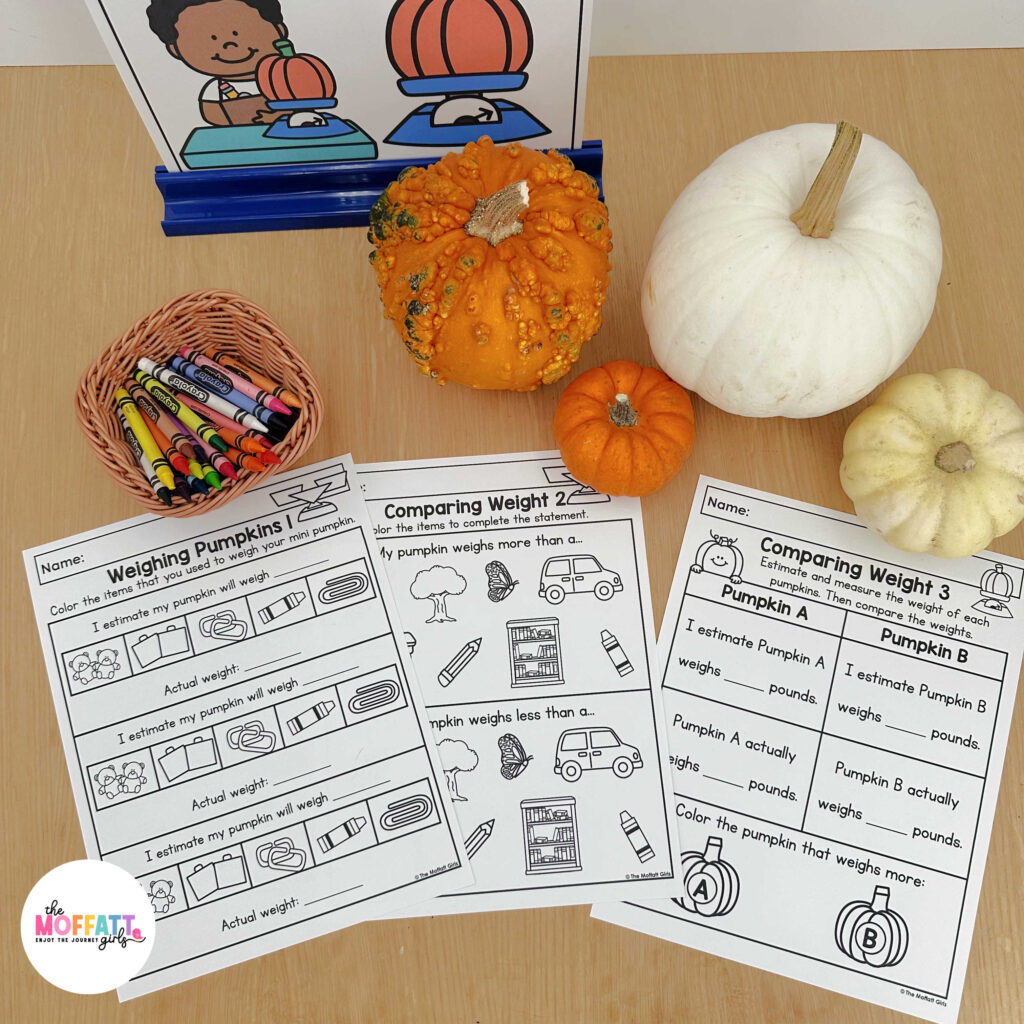
At this pumpkin science station, students use a scale to weigh their pumpkins and record the results. They can compare the weight of their pumpkins with another pumpkin or other common items. Encourage students to make predictions before weighing—does the biggest pumpkin always weigh the most? This activity builds math and science skills as students collect, compare, and analyze real data while exploring the unique qualities of their pumpkins.
Seed Counting
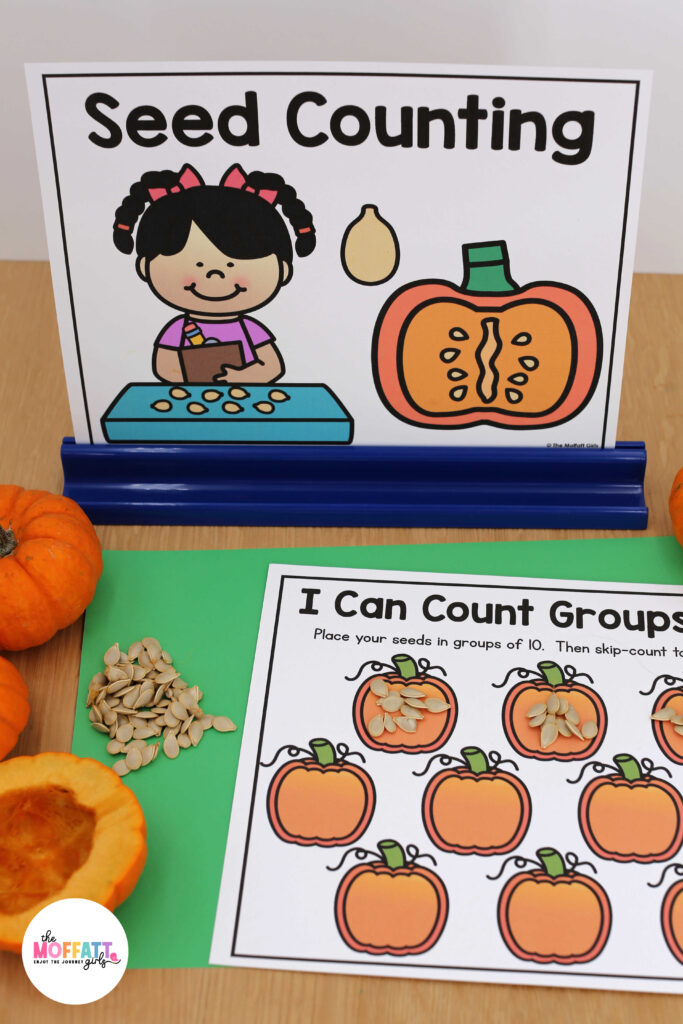
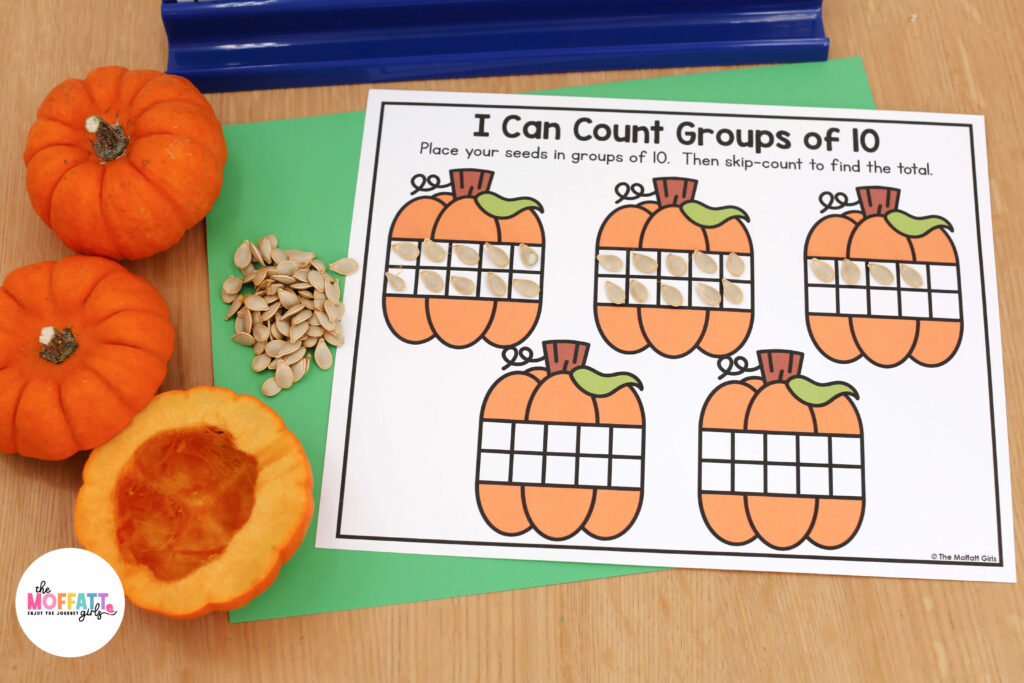
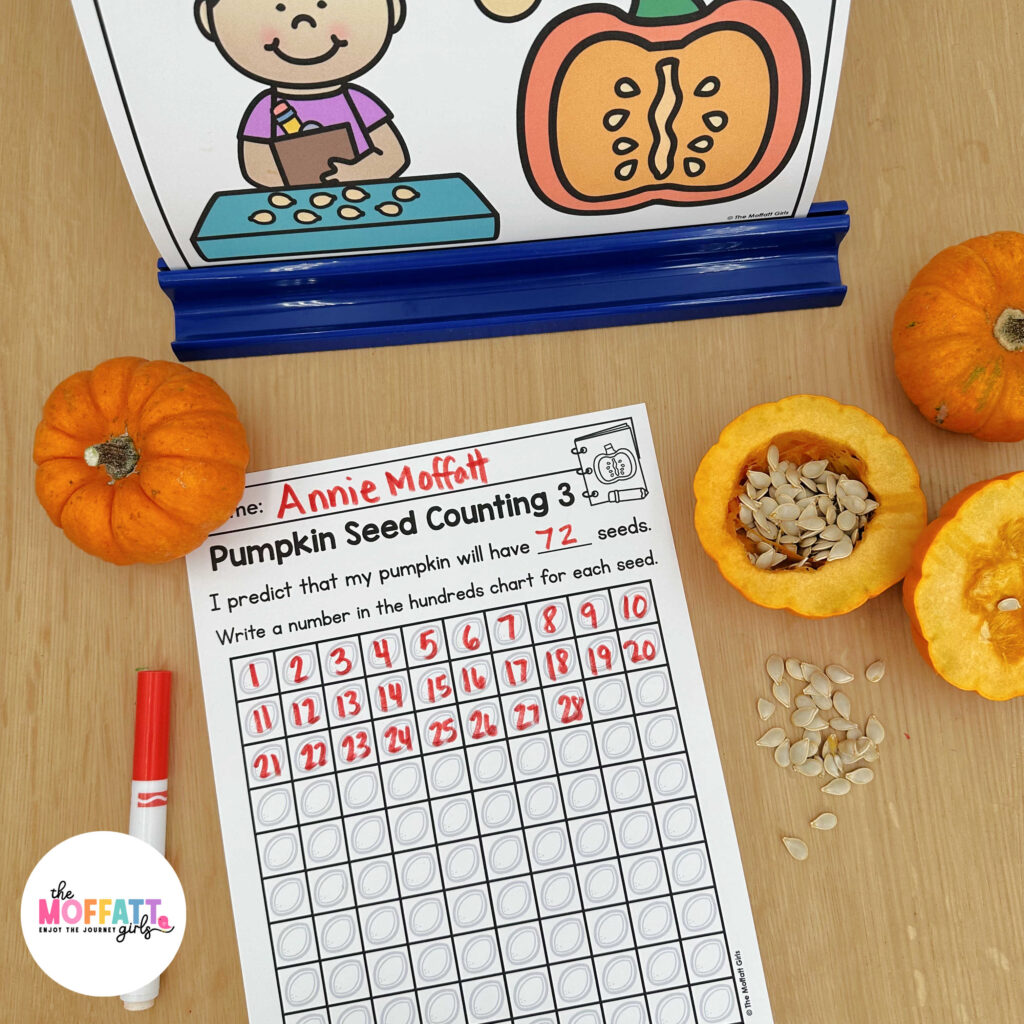
How many seeds can fit inside a tiny pumpkin? You might be surprised! In this pumpkin science station, students scoop out their pumpkin and count the seeds inside. As they work, they’ll practice skip-counting by 10s or filling a hundreds chart, making math fun, hands-on, and a little messy—in the best way!
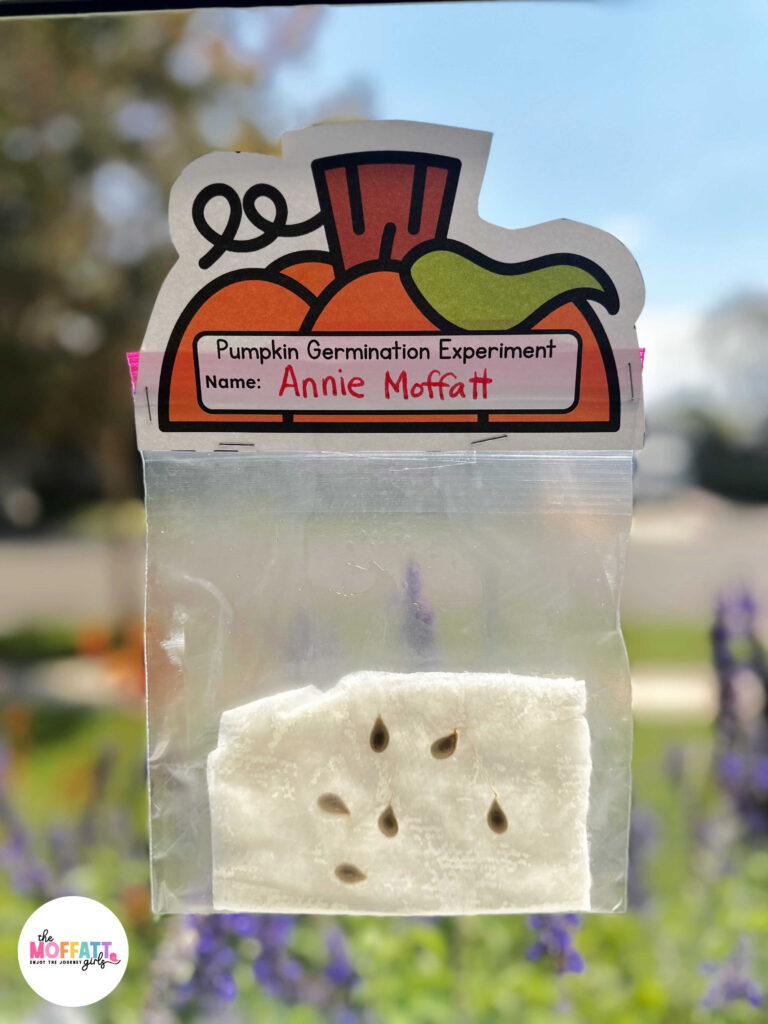
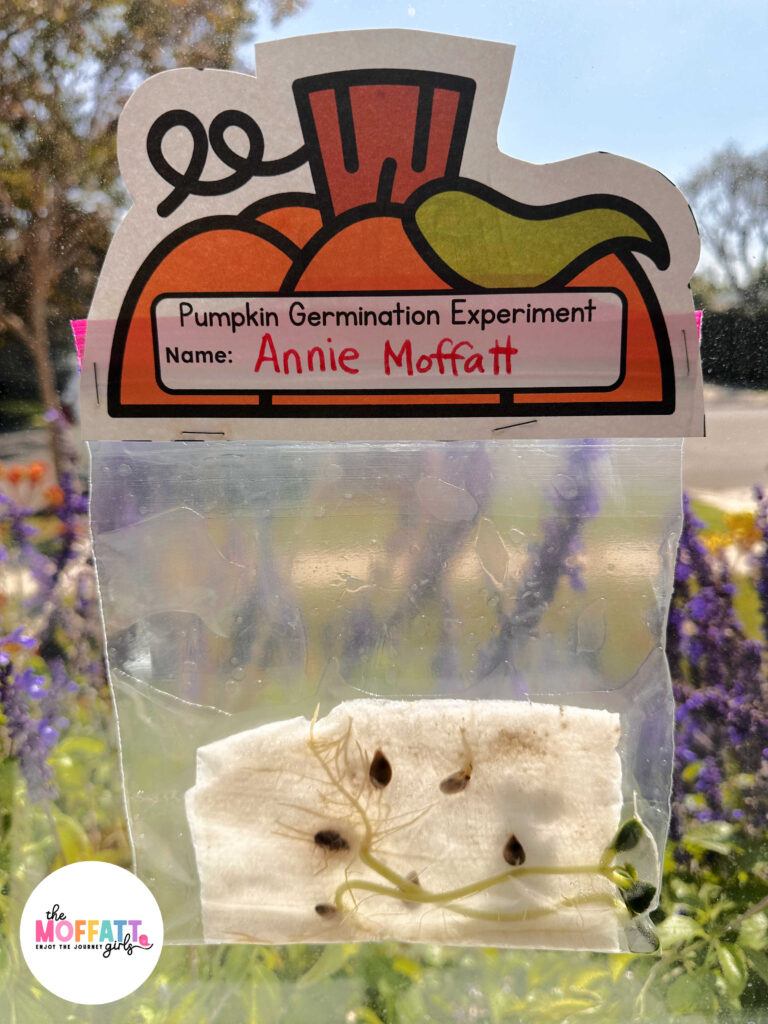
Germination Station
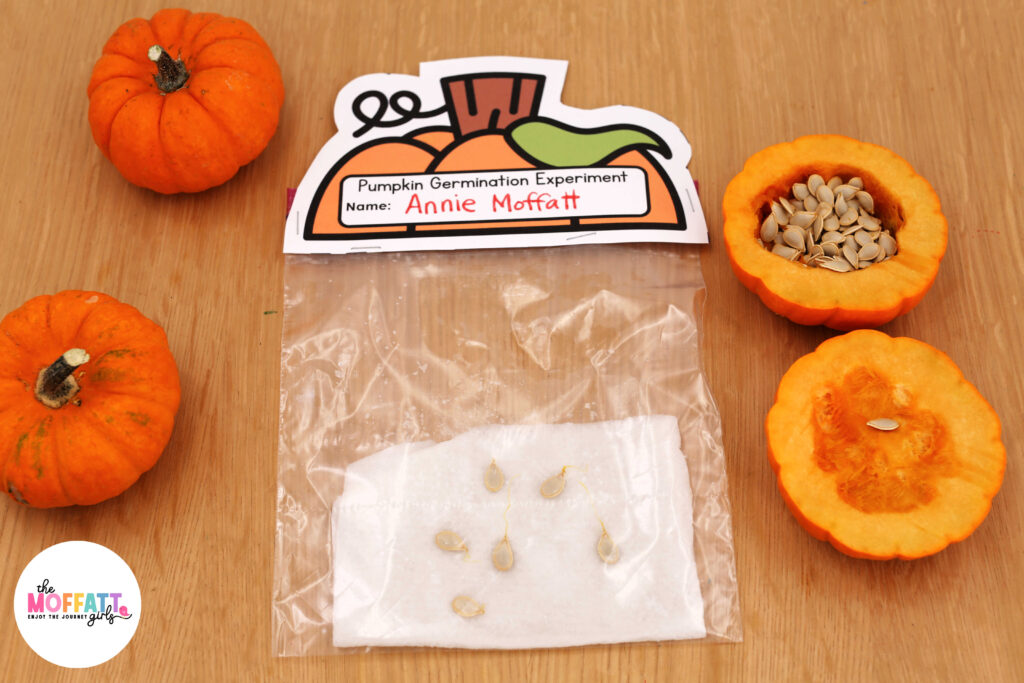
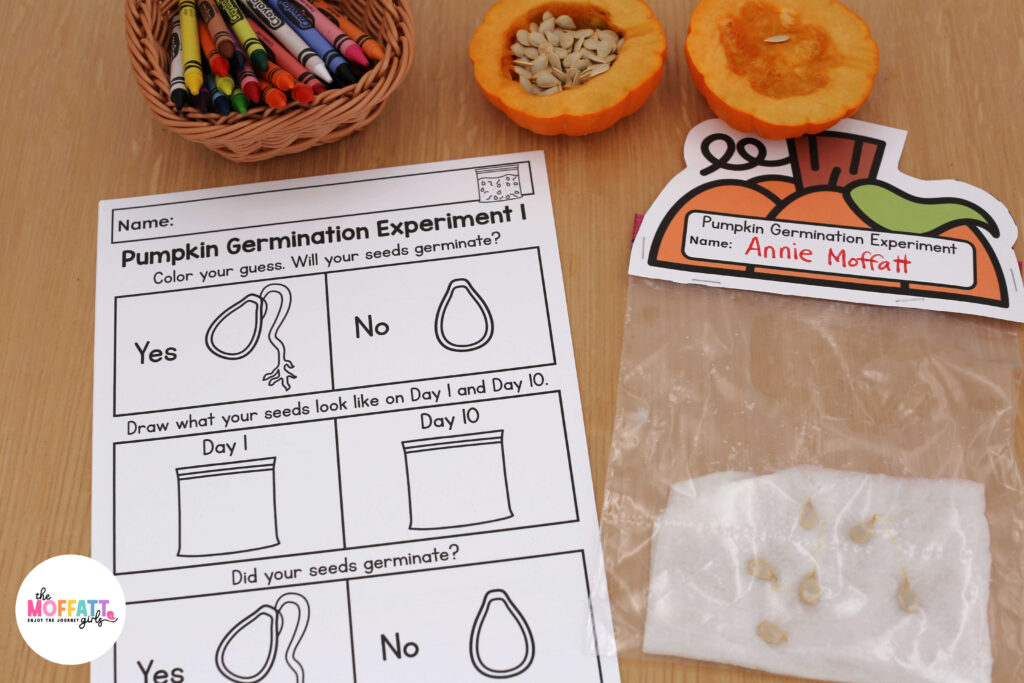
In the final pumpkin science station, students place pumpkin seeds and a damp paper towel inside a zip-top bag and hang it in a sunny window. Over time, they’ll observe the seeds and record changes as they begin to sprout! Before starting, students make predictions about what will happen and how long germination will take. It’s a simple, hands-on experiment that beautifully wraps up the unit—showing the pumpkin life cycle come to life right before their eyes!
Reading Comprehension Passages with Questions
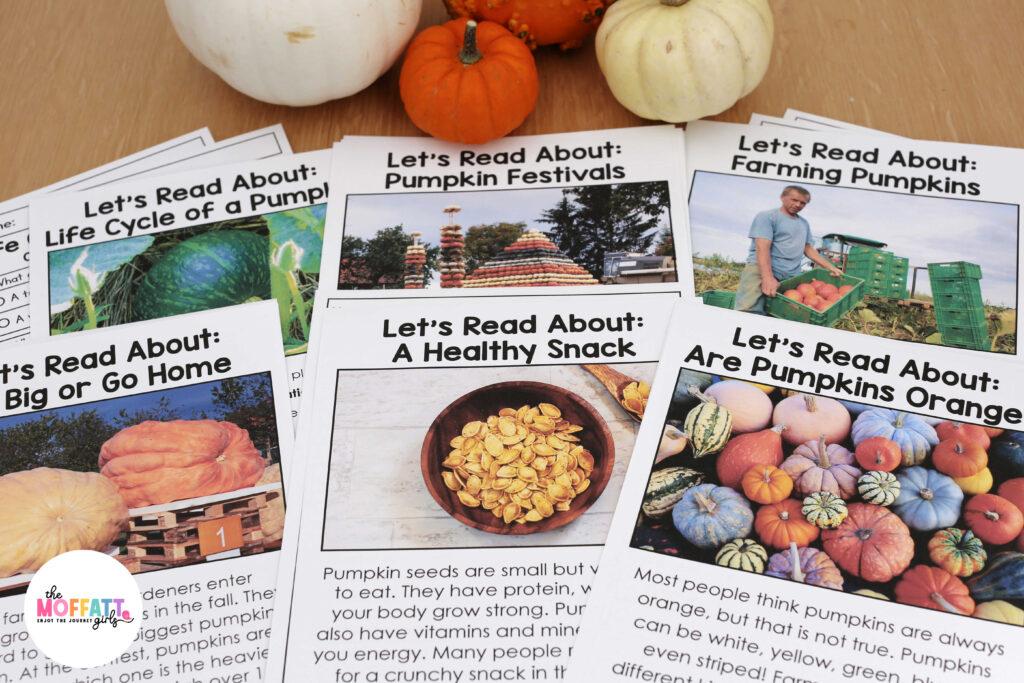
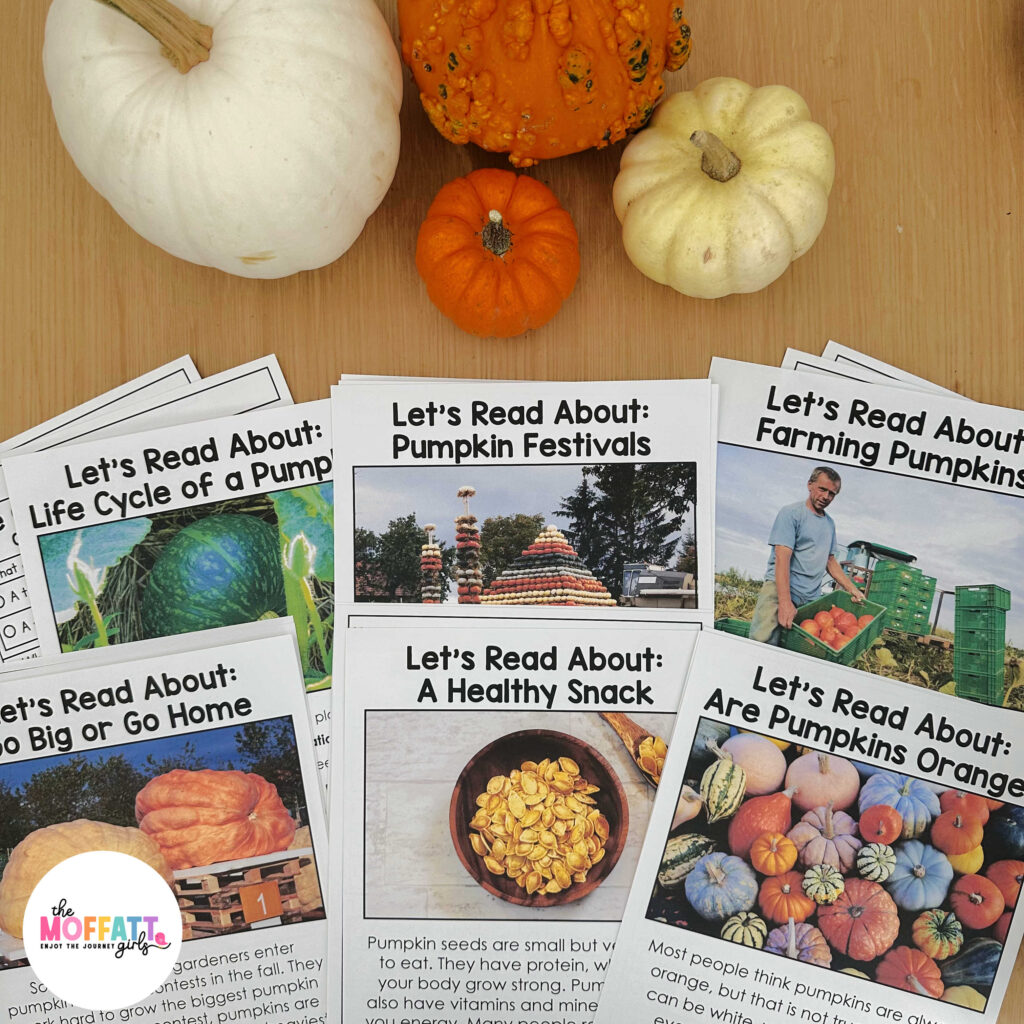
To tie literacy into science, the unit includes nonfiction reading passages about pumpkins (structure, life cycle, uses) accompanied by leveled comprehension questions. These support building reading skills while reinforcing pumpkin science content, helping students make connections between what they read and what they observe in experiments.
Leveled Books
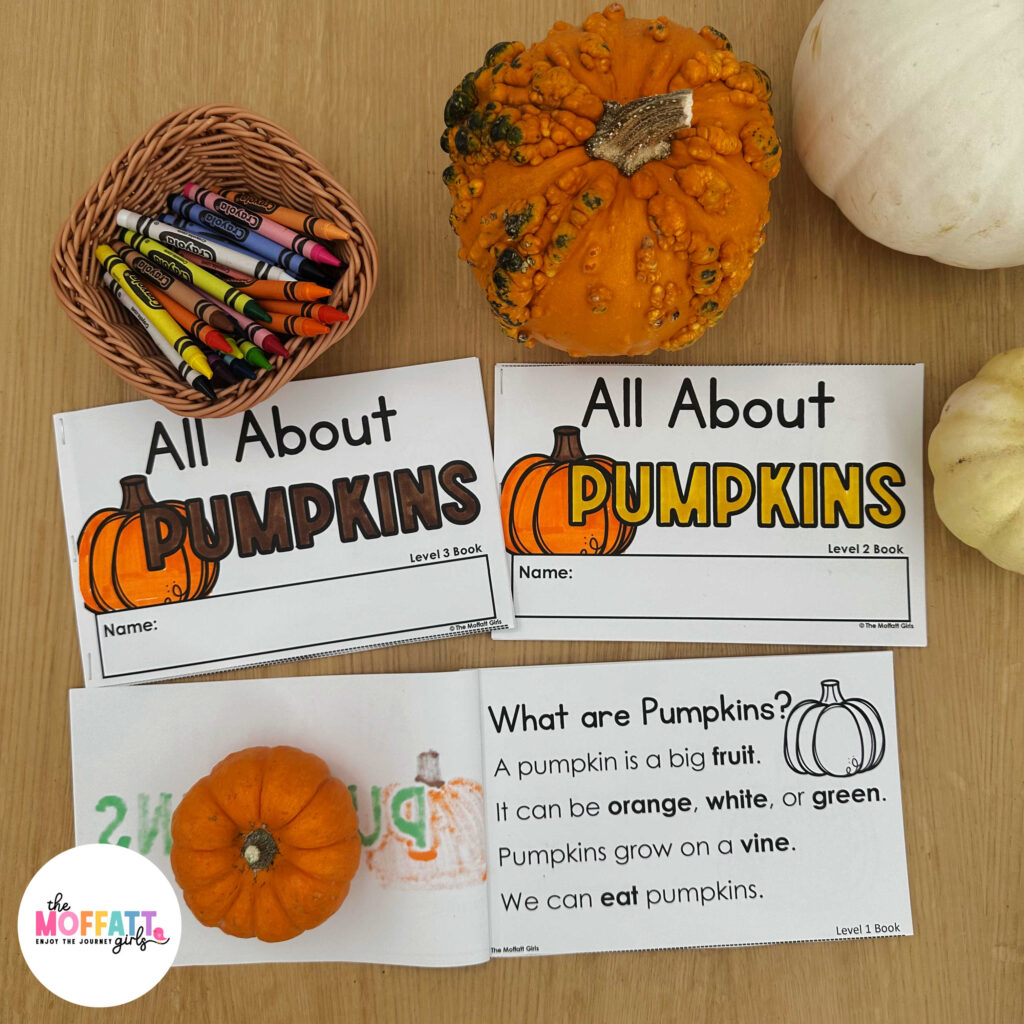
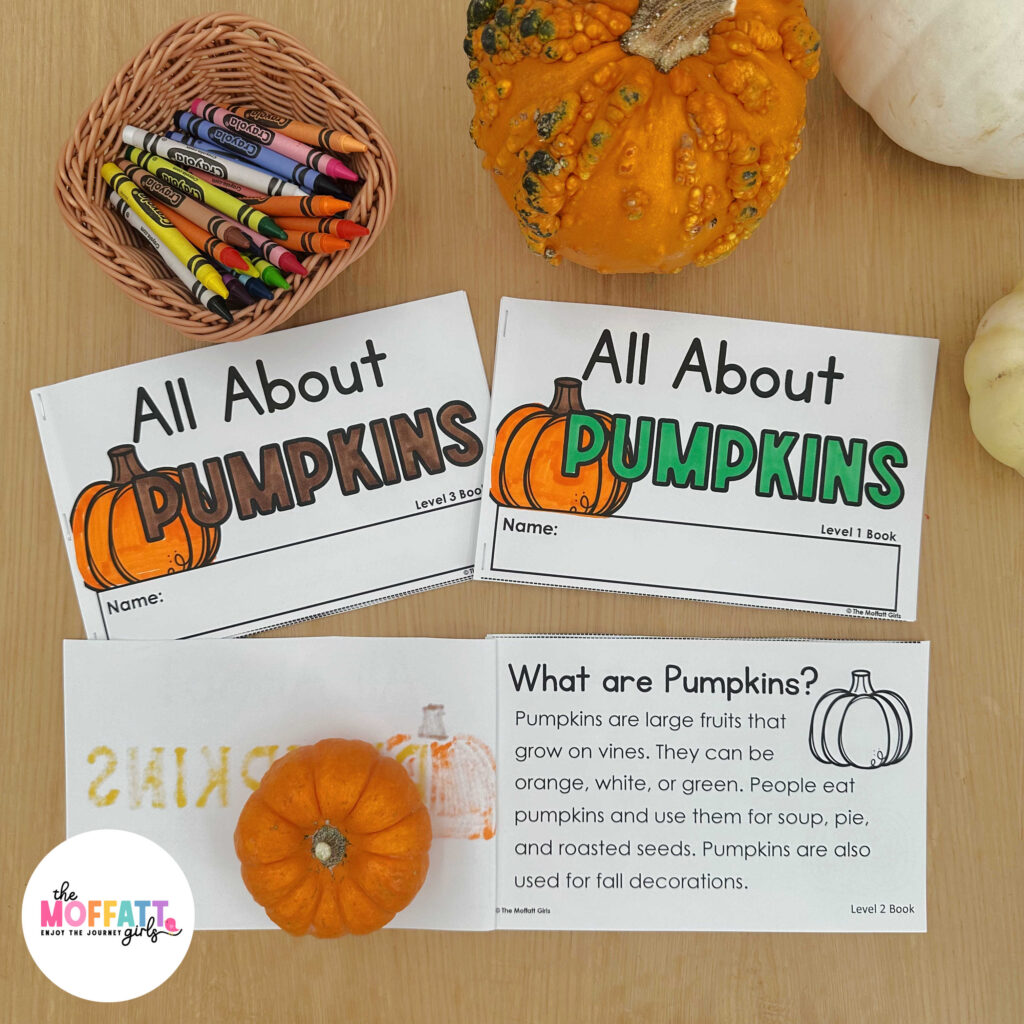
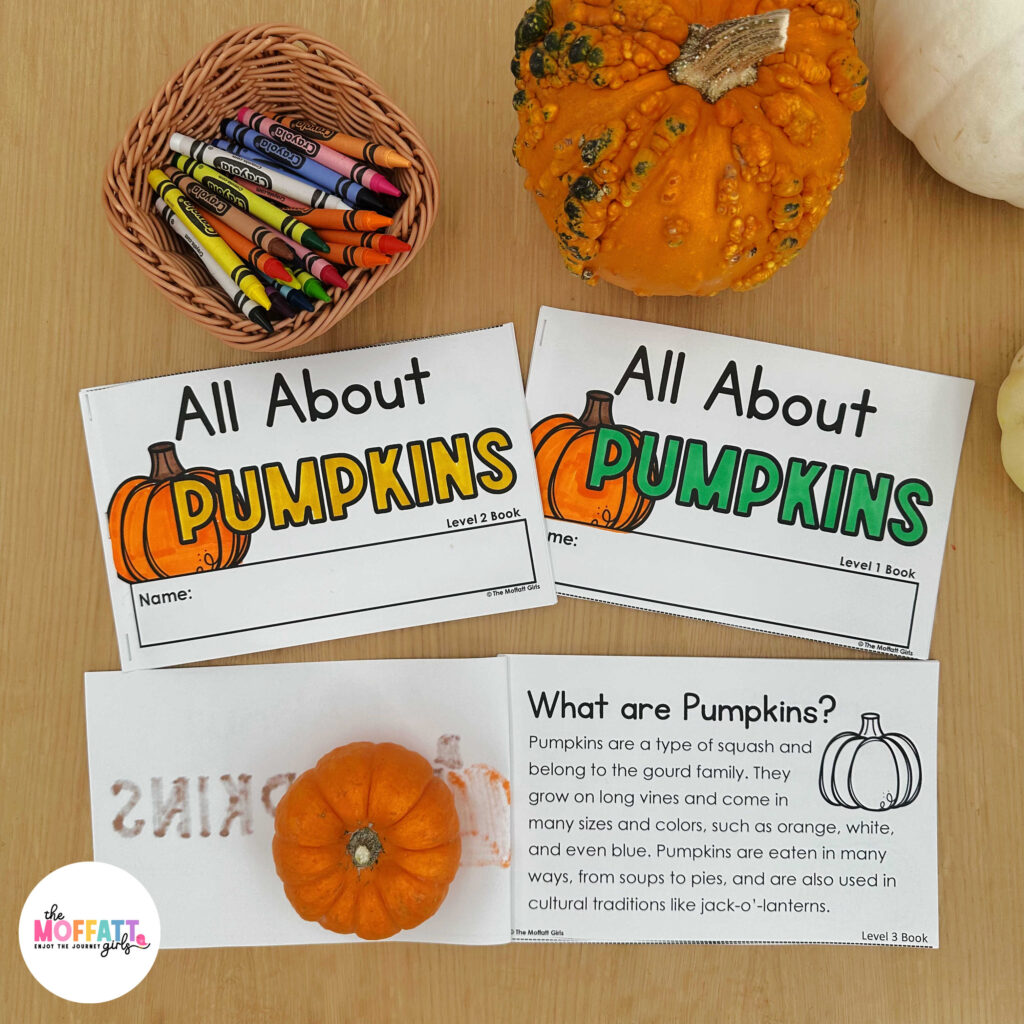
One of the strengths of this unit is that it includes leveled books about pumpkins and their life cycle. Whether students are early readers or more advanced, everyone can access the same science content — just at an appropriate text level. That means your reading groups or independent readers can all engage in pumpkin science at their pace.
Extras: Writing Prompts, Directed Drawings & Color-by-Code
To stretch the learning further:
- Writing Prompt encourage students to apply their science thinking: e.g. “If I grew my own pumpkin…” where students can decide what they would do and how they would do it.
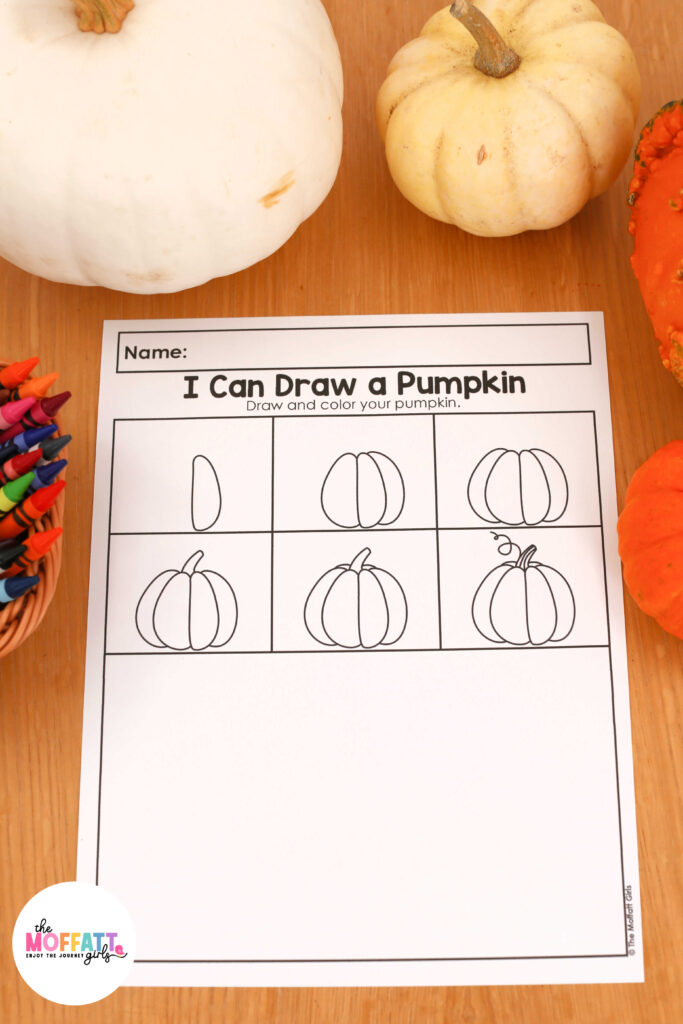
- Directed Drawing help students visually represent parts of a pumpkin or the life cycle, reinforcing what they’ve learned while strengthening motor and observation skills.
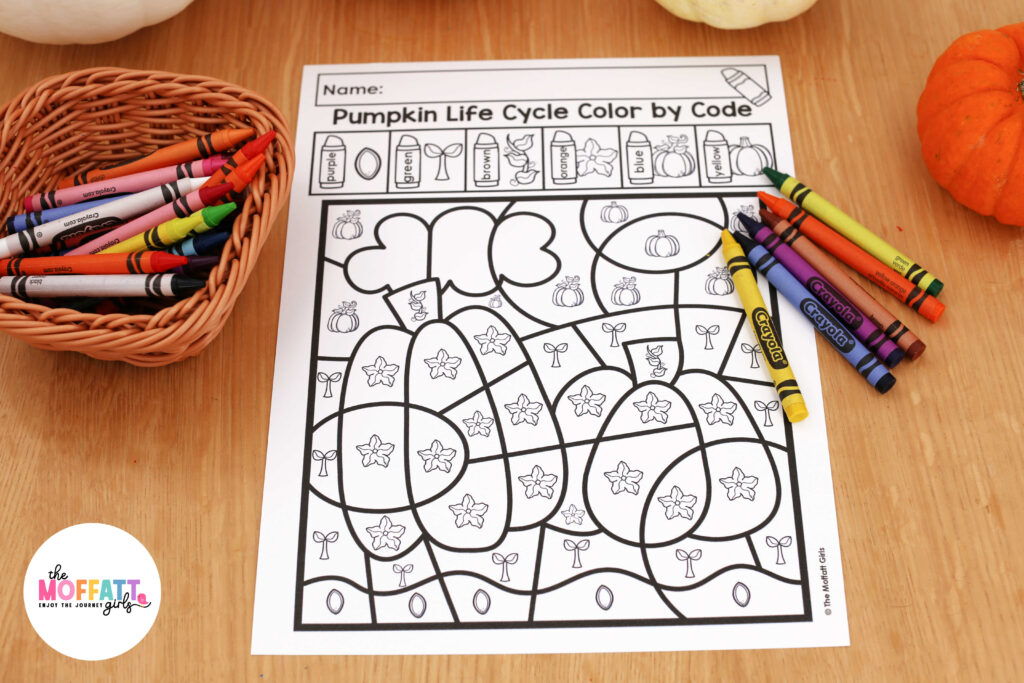
- Color-by-Code worksheet (where different parts or stages correspond to colors) add fun and help students internalize vocabulary and sequencing.
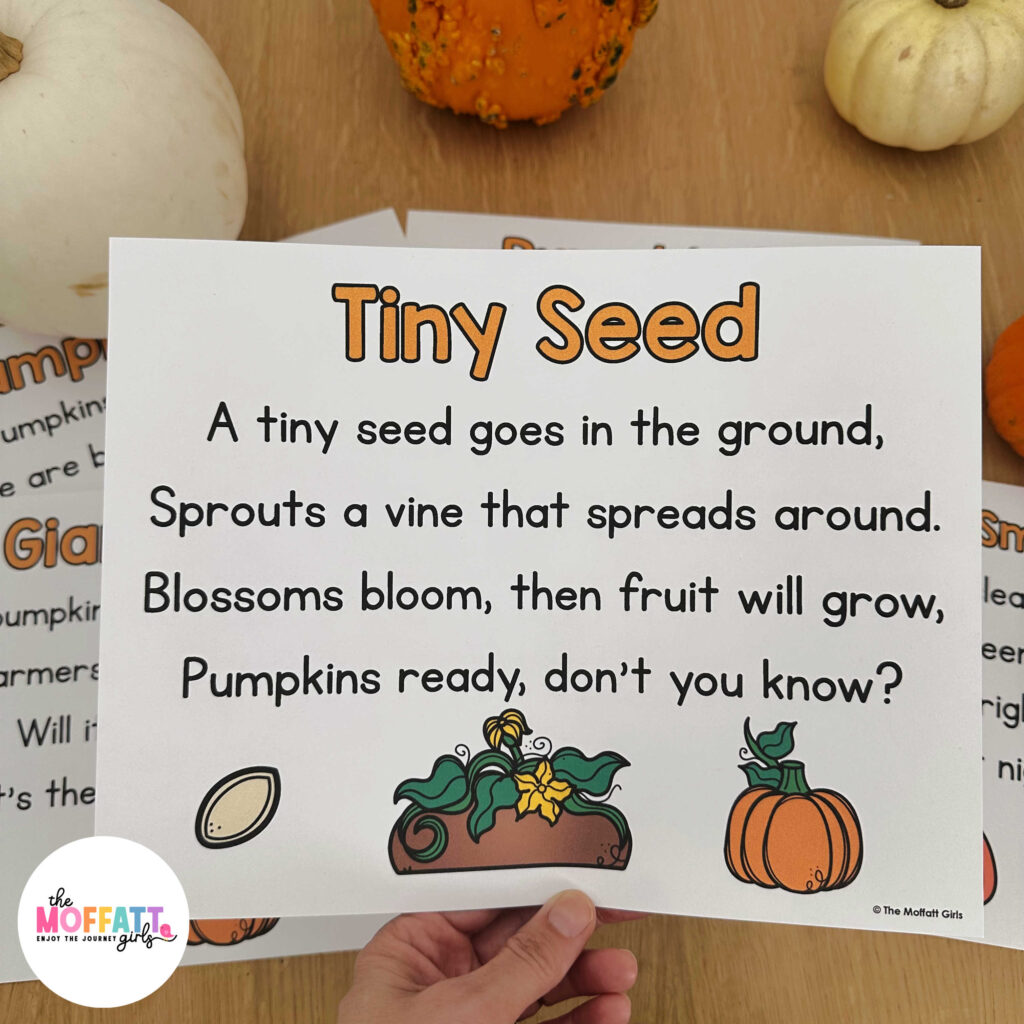
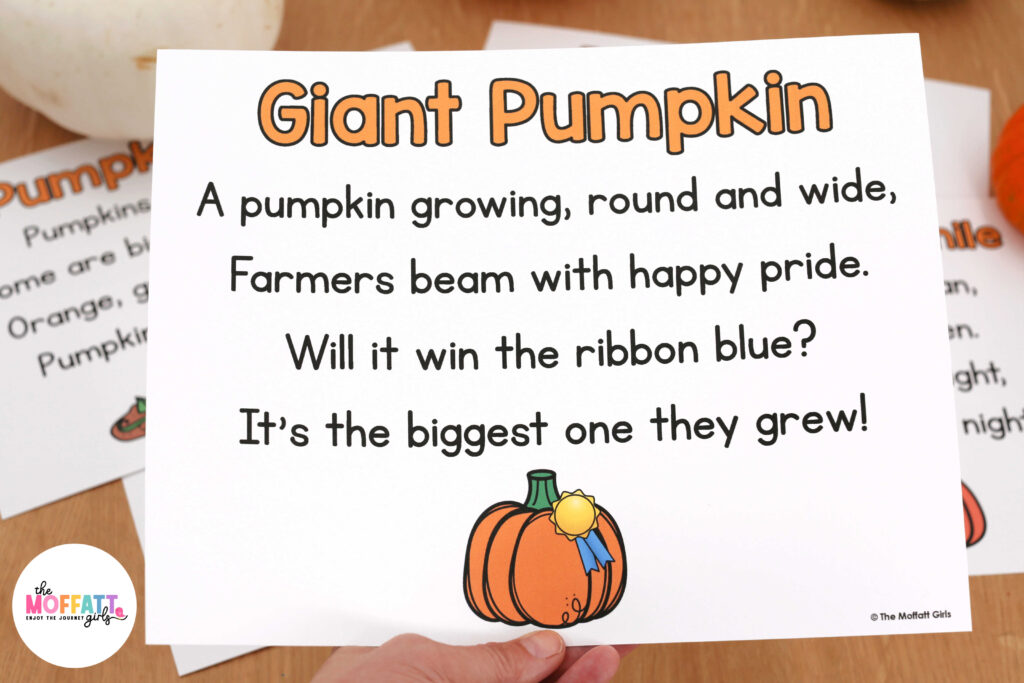
- Pumpkin Poems: This pumpkin science unit also includes five adorable pumpkin poems that add a fun literacy twist to your fall lessons! Each poem ties into themes like the pumpkin life cycle, fall changes, and the excitement of pumpkin picking. The rhyming text helps students build fluency, rhythm, and vocabulary while reinforcing key pumpkin science concepts.
Pumpkin Craft
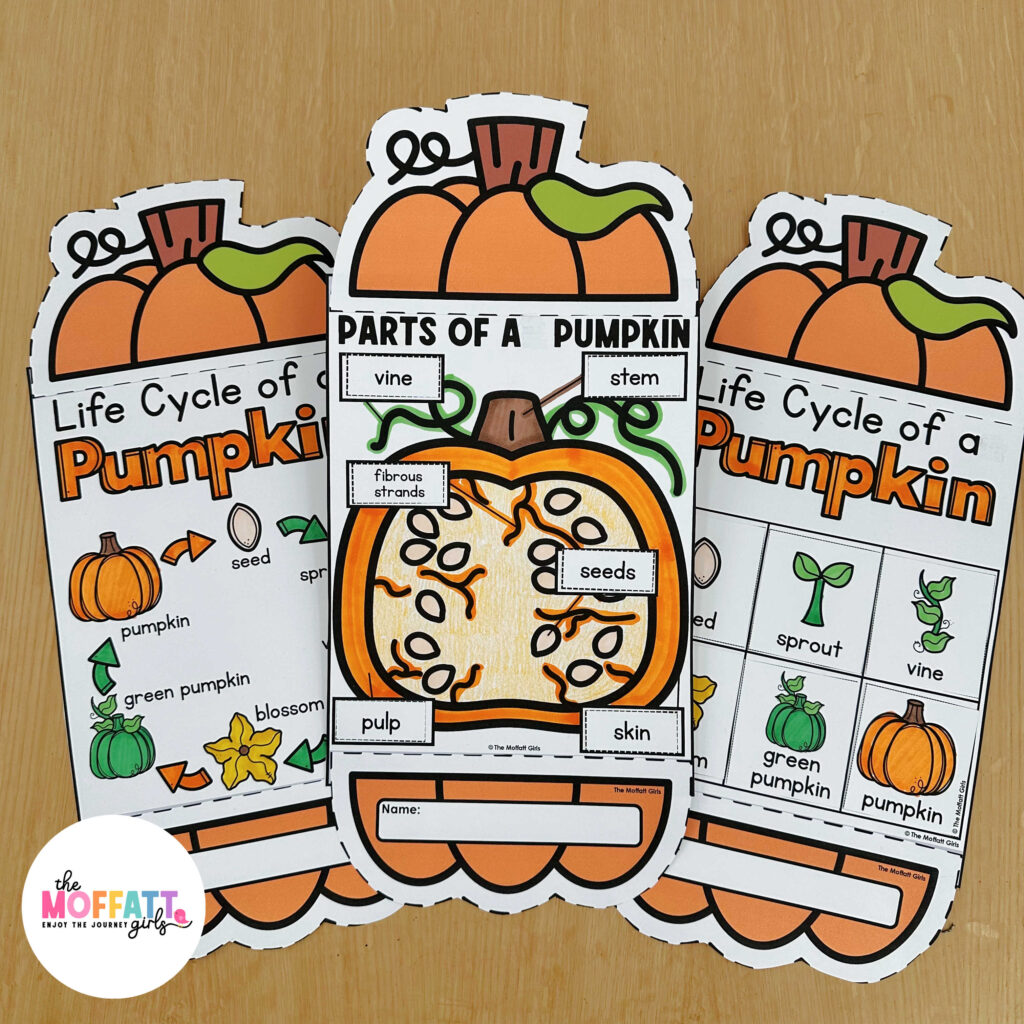
What better way to solidify understanding than making something tangible? The unit includes a pumpkin craftivity with 3 options- life cycle cut and paste, life cycle coloring, and parts of a pumpkin labeling. These crafts allow students to apply their knowledge creatively, making pumpkin science memorable and display-worthy.
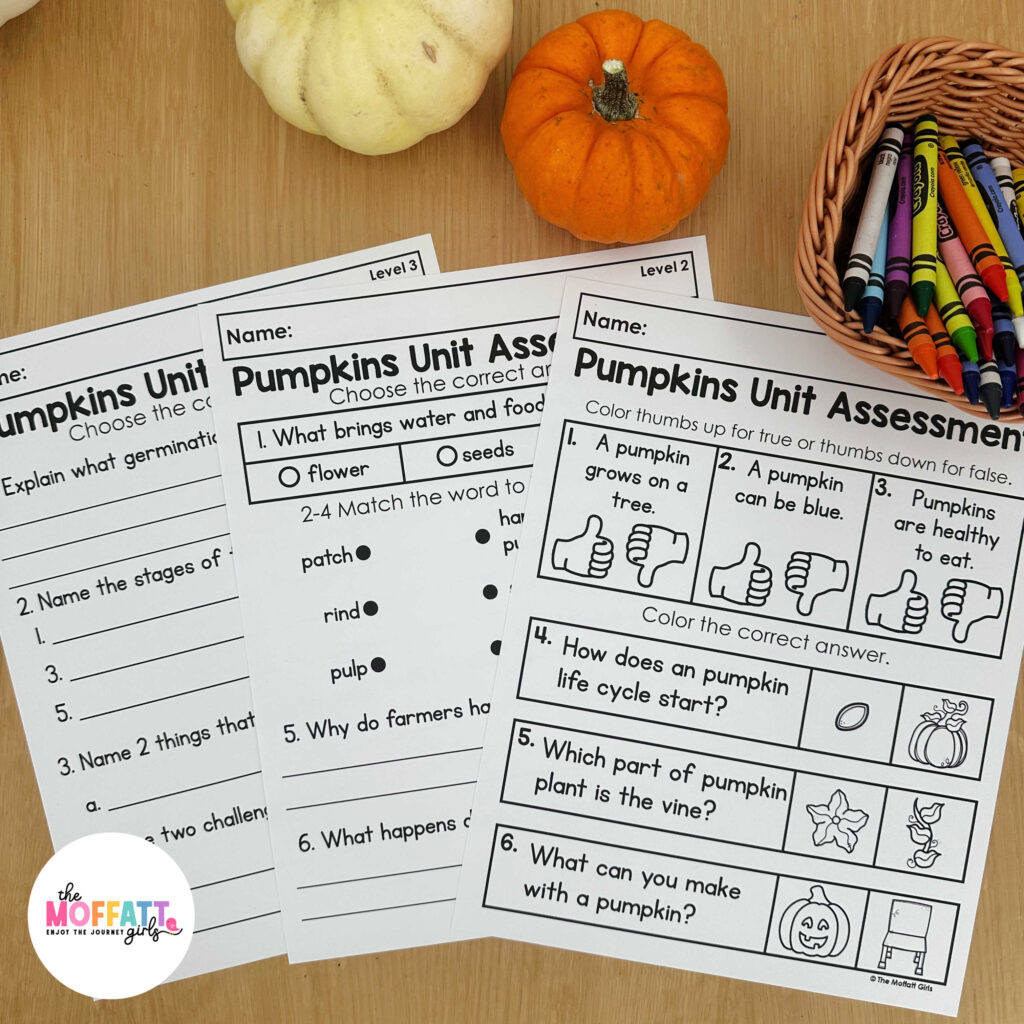
Final Unit Assessment
To measure learning, the unit includes leveled assessments aligned with the content. Because they’re leveled, you can use them across students with different ability levels. You’ll get data on how well students know pumpkin parts, life cycles, experiment concepts, vocabulary, and comprehension — helping plan your next steps.
If you want a pumpkin science unit that goes beyond the basics, one that gives students multiple ways to explore, experiment, read, write, and create — this is it. With vocabulary, investigation, reading, writing, crafts, and assessment all built around pumpkins, you get a cohesive, engaging, and robust unit that’s perfect for fall.
Are you looking for more fun activities for the month of October? Check out the October No Prep Packets blog post: Click Here.
Share this:

Annie Moffatt
Annie Moffatt is a former elementary school teacher and homeschool mom with a passion for helping young learners thrive. With a background in early education and a heart for making learning fun, Annie designs engaging, low-prep resources that build confidence and success in the classroom. Her hands-on, kid-friendly approach has supported thousands of teachers and parents around the world in creating joyful learning experiences for their students.